

Introduction — The Revenue Architecture of Modern Sports Streaming
Live sports remain one of the last forms of appointment television, making it increasingly important for broadcasters to develop innovative ways to monetize live sports production.
As sports rights fees continue to rise, broadcasters and rights holders can no longer rely on one revenue stream to balance the growing cost of acquisition.
Industry leaders in broadcasting have shifted away from a single monetization model and started building layered revenue ecosystems that combine subscriptions, advertising, data, commerce, and fan experiences.
Revenue is lost when advertising, commerce, and data systems are disconnected, preventing full monetization of audiences. BMG solves this through system integration across live production, playout, and distribution, connecting broadcast, ad tech, and commerce workflows so monetization can be activated in real time instead of being lost between systems.
1. Subscription Video on Demand (SVOD) — The Recurring Revenue Foundation
This model creates recurring revenue by offering fans unlimited access to live and on-demand sports content through monthly or annual subscriptions.
It makes it most effective for broadcasters with a strong rights portfolio to serve as a standalone streaming destination.
Real-world examples:
- ESPN+ — $10.99/month for out-of-market games, UFC events, and niche sports not on linear ESPN
- DAZN — launched as a pure-play sports SVOD in multiple markets, including boxing and MMA
- Peacock — NFL exclusive games and Premier League as subscription anchors
2. Advertising-Supported Video on Demand (AVOD) & Free Ad-Supported Streaming TV (FAST)
FAST channels provide free access to live and on-demand sports content through ad-supported streaming.
This allows broadcasters to reach wider audiences while recreating traditional ad break models in a digital environment.
Real-world examples:
- Pluto TV — carries dedicated sports channels (NFL Channel, MLB Network) as FAST channels
- Peacock Free — selected NFL games and Olympics coverage on the free tier, ad-supported
- Tubi — sports documentaries and archived games with targeted ad inventory
AVOD and FAST models prioritize audience scale over subscription revenue content production essential. BMG supports FAST channels through scalable REMI production and multi-platform distribution workflows.
3. Pay-Per-View (PPV) & Premium Live Events
Pay-per-view remains a high-revenue model in live sports streaming, charging fans a one-time fee for exclusive access to premium live sports events such as title bouts and championship games.
This model relies on premium positioning to increase audience demand and willingness to pay.
Real-world examples:
- UFC on ESPN+ — high-profile PPV events layered on top of the SVOD subscription (e.g., UFC 300 at $79.99)
- DAZN PPV — Canelo Álvarez fights sold as standalone purchases
- WWE — premium live events (PLEs) sold via Peacock in the US
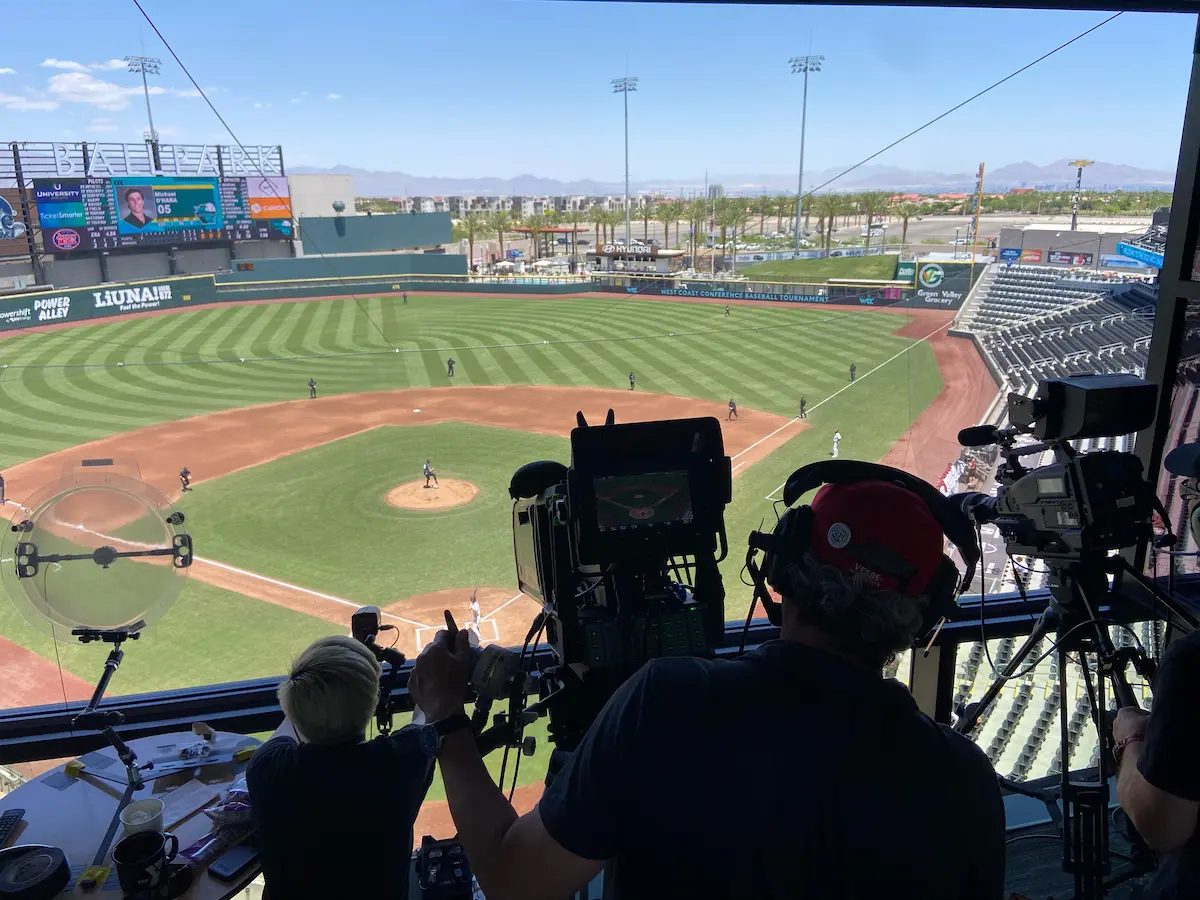
PPV streaming needs a reliable infrastructure, as technical failures can create both financial and reputational risk. BMG backs premium live events with production workflows and transmission paths to mitigate these risks.
4. Sports Betting Integration & Data Licensing
As legal sports betting expands across the U.S. and international markets, live sports streams are becoming the foundation for real-time betting experiences.
Rights holders and broadcasters are monetizing the growth of sports betting through data licensing deals with sportsbooks and by embedding live odds, betting overlays, and interactive features into the viewing experience.
Betting odds increase fan engagement across digital and broadcast channels as they make content more interactive.
Real-world examples:
- Amazon Prime Video Thursday Night Football — integrated betting widgets and real-time odds via FanDuel partnership
- Turner Sports/Bleacher Report — betting-specific broadcast alternate feeds for March Madness
- The Athletic — editorial content woven with real-time odds from DraftKings
5. Direct-to-Consumer (DTC) / Team & League-Owned Streaming
Sports properties have started to bypass traditional broadcasters to create direct-to-consumer streaming services.
This approach delivers greater control and stronger margins, but requires rights holders to control all operational, technical, and marketing costs.
Real-world examples:
- NFL+ — the league’s own mobile streaming product for live local and primetime games
- MLB.TV — the original league-owned DTC sports streaming product, now streaming all out-of-market games
- F1 TV Pro — Formula 1’s owned streaming platform with onboard cameras, driver radio, and timing data
Launching a DTC streaming platform requires far more than basic IT infrastructure, involving complex integration across authentication, billing, CDN delivery, and live production workflows. BMG helps streamline these operations through channel playput and multiplatform distribution channels.
6. Sponsorship & Branded Content Integration
Digital streaming opens up new advertising opportunities that are not available on linear TV, such as virtual signage, branded replays, sponsored stats, and integrated broadcasting moments.
This allows brands to pay a premium for placement within the viewing experience rather than traditional ad breaks.
Real-world examples:
- Amazon TNF — “Presented by Lowe’s” halftime show, branded player tracking graphics, and sponsored replay clips
- ESPN+ MLS Season Pass — sponsor-branded goal celebration replays and named segments
- CBS Sports HQ — “FedEx Air & Ground Players of the Week” segments built into streaming updates
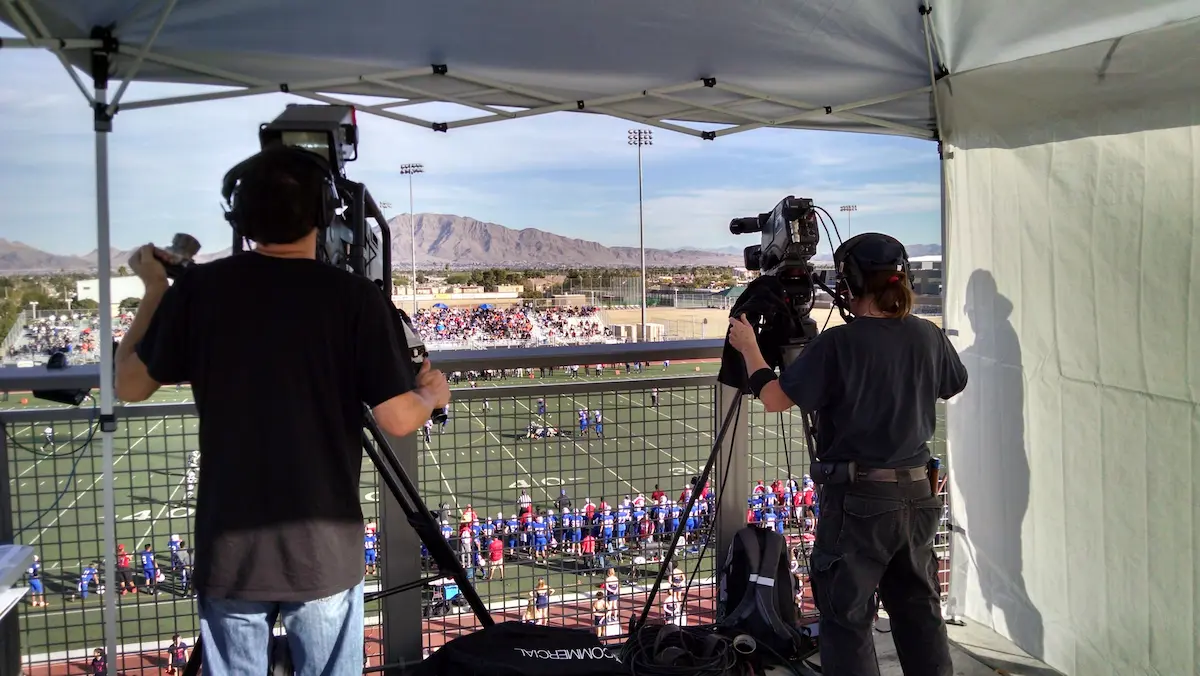
BMG recognizes that branded content integration within live streams requires coordination across production, ad operations, and streaming delivery teams. To support this process, BMG provides a creative production team that helps streamline execution and ensure deliverables are fully integrated into the live broadcast workflow.
7. Dynamic Ad Insertion (DAI) & Programmatic Advertising
Digital streaming enables server-side ad insertion (SSAI), allowing broadcasters to show targeted ads to individual viewers and increase CPM value through more relevant advertisements.
Through programmatic advertising broadcasters and rights holders are able to maximize ad revenue in real time by matching impressions to the highest bidders.
Real-world examples:
- NBC Sports / Peacock — SSAI deployed across Sunday Night Football streams, enabling advertisers to target by geography, device, and behavior
- Paramount+ — programmatic DAI across NFL on CBS streams
- ESPN+ — dynamic ad load management based on sport, daypart, and viewer segment
8. Commerce, Ticketing & Fan Experience Monetization
Streaming platforms can integrate commerce directly into the viewing experience, selling merchandise, tickets, and premium access.
Live sports creates a sense of urgency that sparks purchasing behavior.
Real-world examples:
- Amazon Prime Video — experimental “Shop the Game” overlays during Thursday Night Football enabling in-stream jersey and merchandise purchases
- Formula 1 — in-app merchandise sales triggered by race results and driver highlights
- NBA League Pass — bundled ticket and streaming offers tied to specific game windows
Commerce integration introduces complexity in the production and delivery factors. Streaming infrastructure, e-commerce systems, and live rights workflows must all operate in sync, while purchases during live events create timing and reliability challenges.
9. International Rights & Syndication
International rights remain a revenue driver for global sports content distributing streaming rights to regional partners on subscription-based or fixed-fee models.
Digital infrastructure has simplified geographic segmentation and independent sale of media rights.
Real-world examples:
- Premier League — sells streaming rights territory-by-territory (DAZN in Canada, Optus in Australia, Canal+ in France)
- UFC — uses a combination of DAZN international deals and ESPN+ domestic rights
- Olympics — IOC sells streaming rights independently per country, enabling local broadcasters to build their own OTT products
Multi-territory streaming demands coordinated infrastructure across CDNs, geo-restrictions, and rights management, all working through distributed points worldwide. BMG simplifies this complexity with integrated live production, remote productions (REMI), and scalable multi-platform distribution for global delivery.
The Future of Sports Streaming Monetization
Sports broadcasting is shifting away from single revenue models toward a diversified ecosystem that combines subscriptions, advertising, commerce, data, and international rights into a unified streaming strategy.
The future of sports media will be defined by organizations that can seamlessly integrate these revenue streams into a scalable ecosystem, transforming live viewing into an ongoing monetization opportunity.
From REMI production to multi-platform distribution, BMG helps sports broadcasters build streaming ecosystems designed for monetization.
Learn more about sports production services:

Karen Landry is Director of Master Control, Playout & Transmission at BMG. She brings over 20 years of experience across post-production, broadcast engineering, and client services, having supported major entertainment productions, live sports, and premier events, including the Super Bowl, the Olympics, and Amazon’s Thursday Night Football. In her current role, Karen partners with clients to develop and deliver cloud-based channel playout and transmission solutions that drive operational excellence.
About Karen Landry


