Choosing a video production company used to be fairly straightforward. You reviewed a reel, compared pricing, and picked the team whose work looked the best.
Today, that approach often falls short.
Modern video production spans far beyond a single shoot. Organizations now rely on video for live events, internal communications, investor programming, studio shows, sports coverage, and ongoing content operations. The right production partner is no longer just a vendor; they are part of your infrastructure.
Here are the most important factors to consider when choosing a video production company today.
1. Start With the Type of Video You’re Producing
Before evaluating companies, define what you actually need to produce. Is it:
- A live multi-camera event?
- A studio-based show?
- A hybrid or REMI production?
- Corporate communications like town halls or investor events?
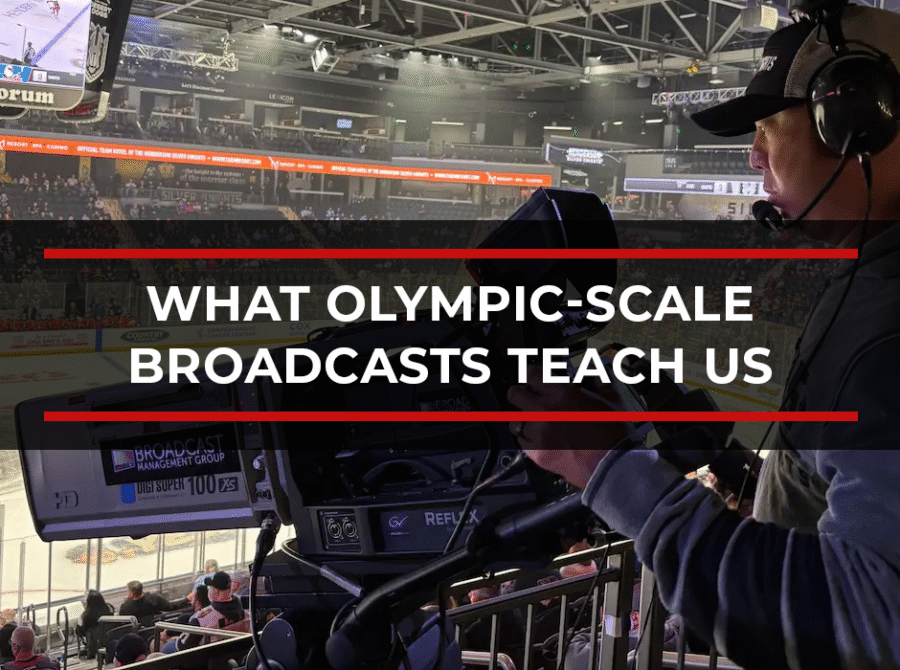
- Sports production with replay, graphics, and timing requirements?
- A recurring series rather than a one-off?
Many production companies specialize in one area. Some excel at pre-produced content but struggle with live execution. Others are built specifically for live production services, remote production (REMI), or studio production.
A strong partner should help you choose the right workflow, not force everything into a single model.
2. Can They Support Live Production Reliably?
Live video changes everything.
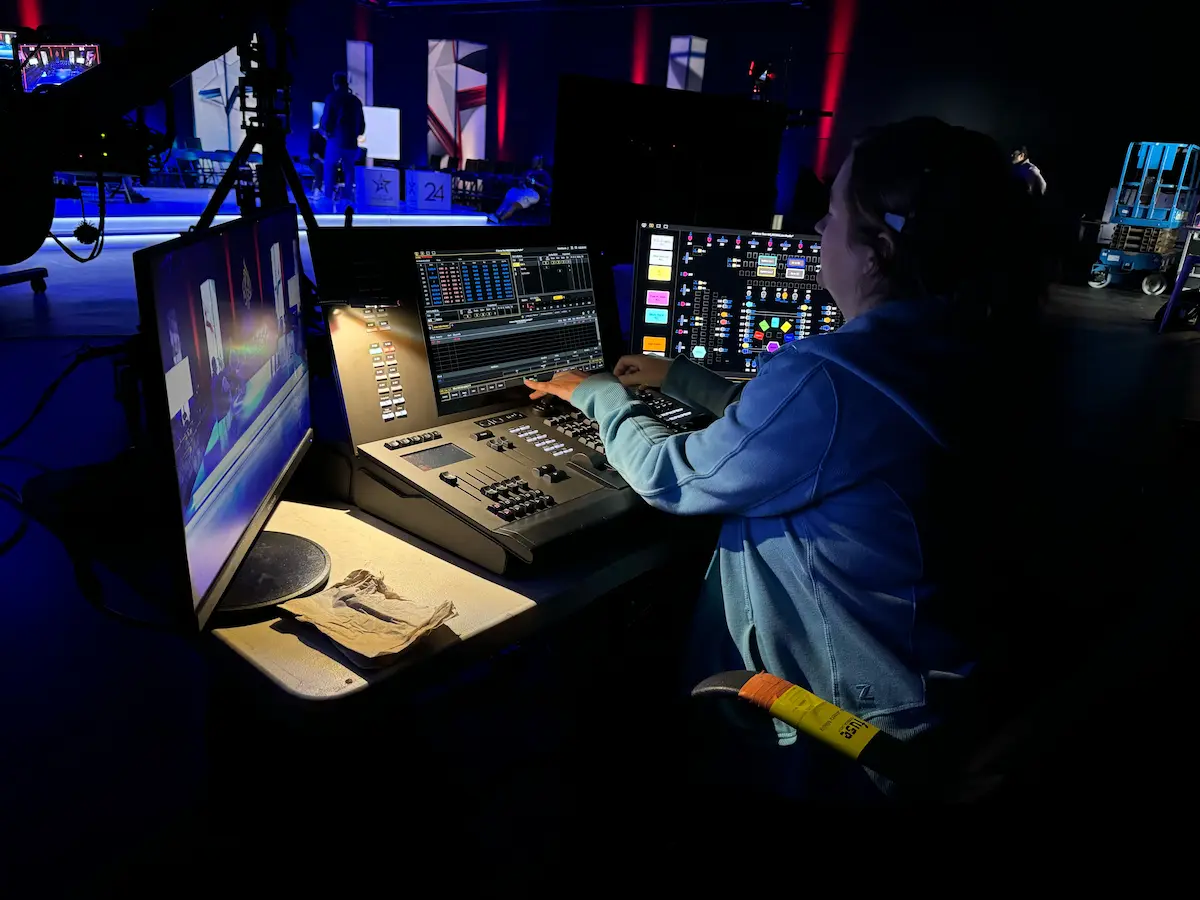
Once a show is live, there are no second takes. Reliability, redundancy, and operational experience matter far more than flashy visuals. Ask how the company handles:
- Multi-camera switching and show flow
- Audio, comms, and IFB
- Graphics and playback
- Transmission and monitoring
- Backup paths and failover
If live production is part of your strategy, your partner should have proven experience delivering broadcast-quality live production, not just streaming setups.
3. Do They Offer REMI and Hybrid Production Options?
REMI (Remote Integration Model) has become a critical capability for modern video teams.
REMI allows cameras and essential crew to stay on-site while switching, graphics, audio, and monitoring move to a centralized facility. This reduces travel, lowers cost, and increases consistency across locations.
A strong production company should be able to explain:
- When REMI makes sense
- When traditional on-site production is still the right choice
- How hybrid workflows combine both
This flexibility is essential for organizations producing content across multiple cities or on tight timelines.
4. Can They Scale Beyond a Single Event?
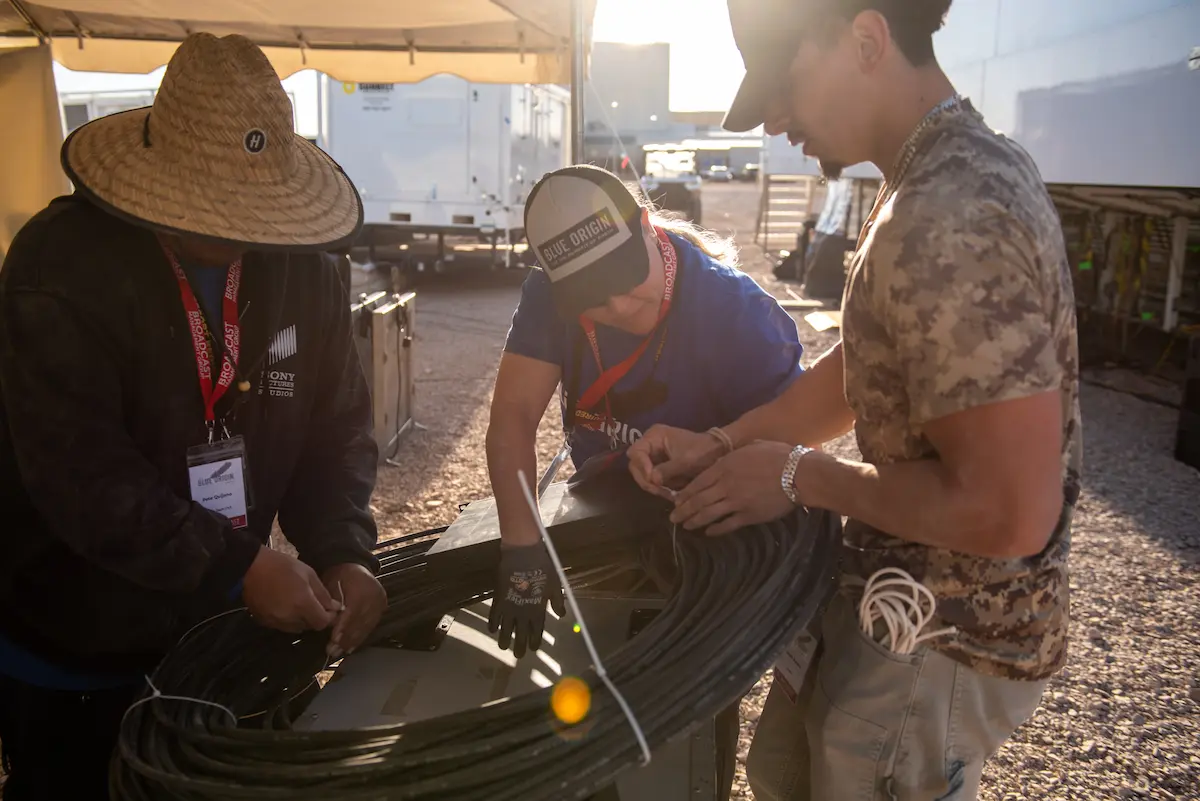
Many companies perform well on one show. Fewer can scale. If you anticipate:
- Weekly or daily programming
- Multi-city events or tours
- Simultaneous productions
- Long-term internal or enterprise video operations
You need a partner built for repeatability and scale, not just execution. This is where managed services, centralized production infrastructure, and standardized workflows make a real difference.
5. Do Creative and Technical Teams Work Together?
Successful video production is both creative and technical. Look for a company that can support:
- Creative direction and show development
- Run-of-show planning
- Scriptwriting and messaging
- Motion graphics and show packaging
- Technical design and engineering
When creative and technical teams collaborate from day one, shows run more smoothly and look more intentional. This matters especially for live broadcasts, studio programming, and executive communications.
6. How Do They Handle Infrastructure and Reliability?
Ask how productions are monitored in real time.
Companies that operate a Network Operations Center (NOC) or centralized monitoring environment can:
- Detect issues before they become visible
- Support multiple shows simultaneously
- Provide true 24/7 operational oversight
This level of infrastructure is especially important for enterprise clients, sports networks, and organizations with compliance or reliability requirements.
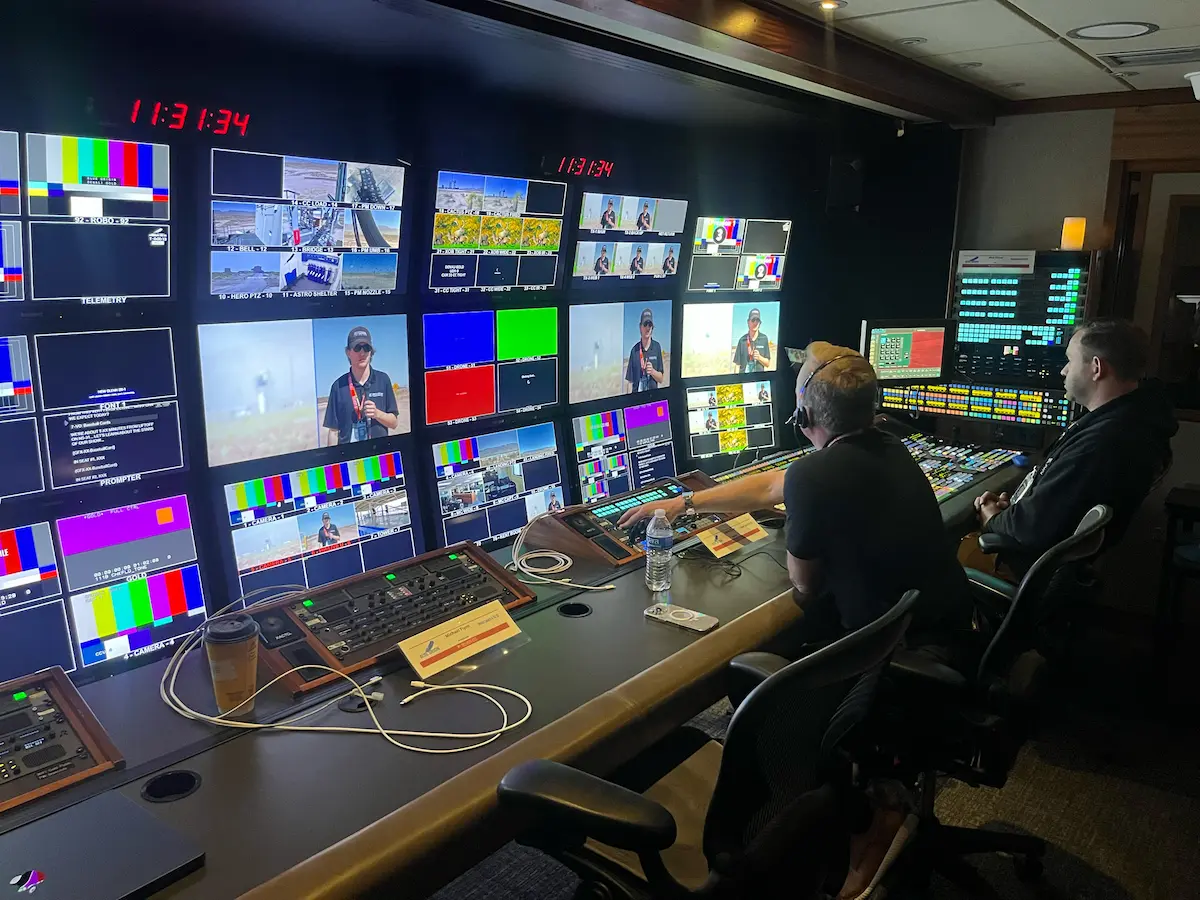
7. Do They Own Their Equipment and Studios?
Ownership matters more than most people realize. Companies that own their:
- Production trucks
- Flypacks
- Studios
- Control rooms
- Lighting and staging
Have more control over quality, scheduling, and problem-solving. They are less dependent on rentals and third parties, which leads to fewer surprises and more consistent results.
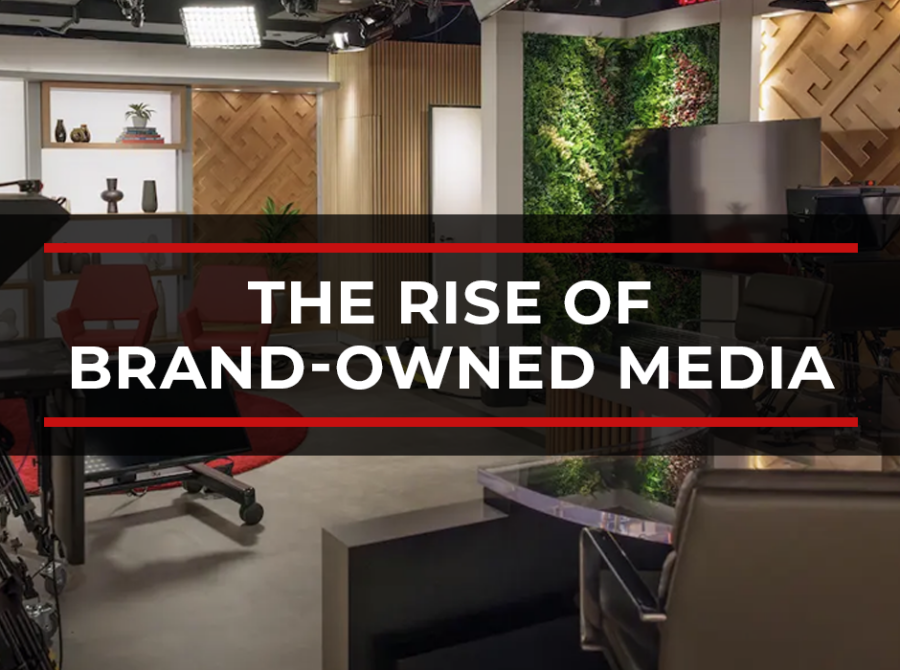
If studio production is part of your needs, ask whether they operate purpose-built broadcast studios or simply rent space when needed.
8. Can They Support the Full Content Lifecycle?
Video production doesn’t end when the stream goes offline. Ask how the company supports:
- Recording and archiving
- Media Asset Management (MAM)
- Clipping and highlights
- Post-production and repurposing
- Long-term content storage
For organizations producing large volumes of content, this is often the difference between video being an asset or a burden.
Choosing the Right Partner
The best video production company is not defined by a single reel or shoot. It is defined by experience, infrastructure, and the ability to support your content today and as it evolves.
For organizations producing live events, studio shows, corporate communications, sports, and enterprise programming at scale, Broadcast Management Group combines live production, REMI workflows, studio operations, creative services, and managed infrastructure into a single, integrated production ecosystem.
Choosing the right partner ensures your video doesn’t just look good — it works, scales, and delivers value long after the cameras stop rolling.

Todd Mason is the Chief Executive Officer of Broadcast Management Group (BMG), a broadcast infrastructure and media operations company helping define the next generation of television production, live media operations, and broadcast network infrastructure in North America.
About Todd Mason