In live sports production, every second counts, and the sports producer is responsible for turning an unpredictable event into a compelling broadcast.
Every broadcast is unscripted, every game unfolds differently, and nearly every decision must be made in real time.
A sports producer serves as the central coordinator, connecting creative production services, technical operations, talent, graphics, replay, engineering, and production crews to create a seamless viewing experience.
From pre-production planning to the final sign-off, here’s what it takes to deliver a successful live sports broadcast.
To better understand the role of a sports producer, we spoke with Graham Taylor, BMG’s Executive Producer of Sports Production, about the preparation, decision-making, and teamwork behind live broadcasts.
Before Game Day: Preparation is Everything
Much of a producer’s work happens before anyone arrives at the venue.
Preparation includes developing storylines, researching teams and players, coordinating graphics packages, planning replay elements, meeting with announcers, reviewing sponsor obligations, and ensuring technical workflows are ready for every possible scenario.
Every department has different priorities, and the producer connects them into a unified production plan.
This preparation also involves collaboration with engineering and technical teams to determine how creative ideas can be executed during the live show while ensuring every production element is achievable.
No matter how much planning takes place, live sports remain unpredictable. The goal is to prepare for whatever happens next.
What Happens on Game Day?
Once production day arrives, preparation gives way to execution.
While every sport operates differently, a producer’s role becomes one of leadership and communication.
Sports producers empower the crew to perform at their highest level while ensuring everyone remains aligned with the broadcast’s objectives.
Throughout the event, producers continuously communicate with:
- Graphics operators
- Replay teams
- Directors
- Audio engineers
- Technical managers
- Camera crews
- On-air commentators
Their job is to connect all departments while providing clear, concise direction that keeps production moving smoothly.
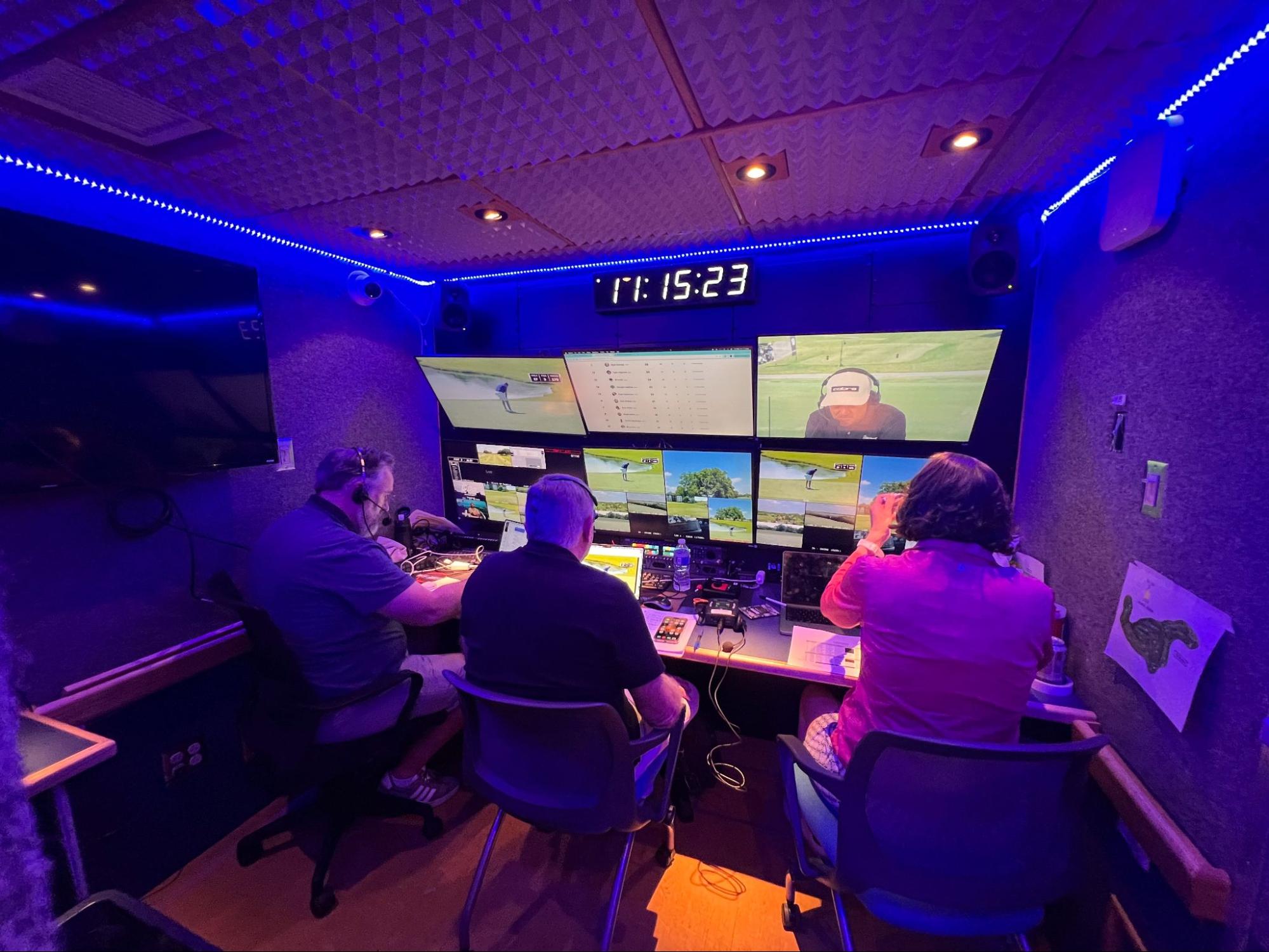
Managing the Biggest Challenges During Live Sports
Every live event presents unexpected challenges.
For sports producers, many of those challenges resemble decisions made by coaches during a game.
Managing the Clock
Live television runs on strict timing.
Producers constantly balance breaks, halftime segments, sponsored elements, interviews, and game action while working against an air window.
Every second matters.
Making the Most of Available Resources
Producers constantly evaluate where their attention and the audience’s attention should go.
They ask themselves questions like:
- “Should the broadcast stay with an announcer’s analysis?”
- “Should a key statistical graphic reinforce the story?”
- “Is there enough time to show one more replay angle that reveals something viewers missed live?”
These decisions happen within seconds and directly shape the viewer’s experience.
Real-Time Decision Making
No amount of preparation can predict a live sporting event, which is exactly what makes live television so exciting.
Outside of scheduled opens, commercial breaks, and a handful of scripted segments, nearly every production decision depends on what unfolds on the field of play.
Experience becomes the producer’s greatest asset.
Every play, injury, momentum shift, or unexpected moment requires evaluation and communication across the production team.

How REMI and Hybrid Production Have Changed the Role
Modern production workflows have transformed how sports producers work.
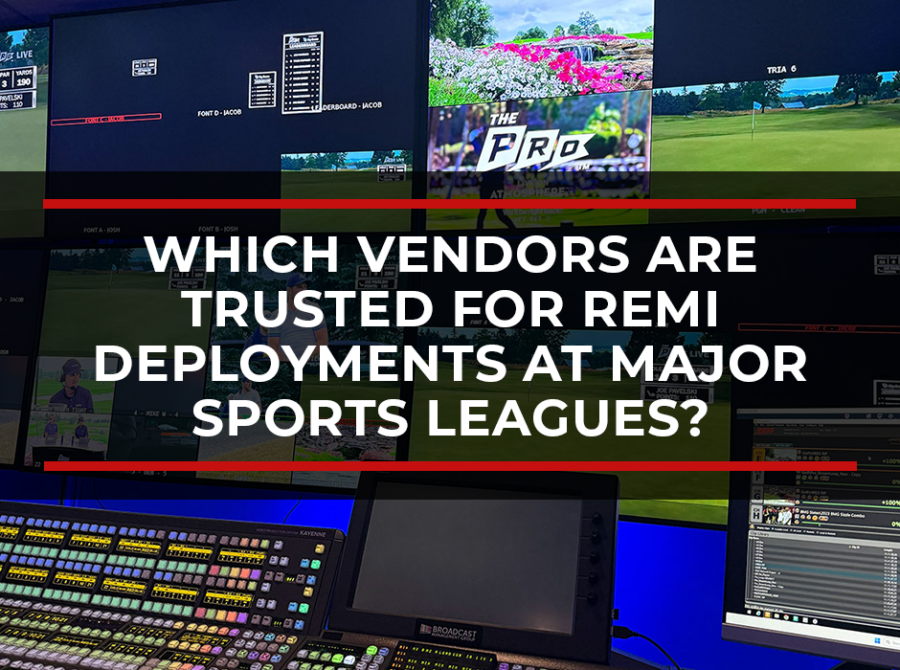
With REMI (Remote Integration Model) and hybrid production, producers no longer need to spend an additional production day traveling between venues.
Instead, many broadcasts are produced from centralized production facilities or network operations centers.
This shift provides several advantages:
- More time for meaningful production preparation
- Reduced travel fatigue
- Greater operational efficiency
- Easier access to production resources
- Increased flexibility to support multiple events
- Reduced set-up time
However, remote workflows also require stronger communication.
Without face-to-face interaction with venue personnel, talent, or team representatives, producers must communicate expectations even more clearly and maintain constant coordination across distributed teams.
As remote production becomes more common, communication has become just as important as technical expertise.
What Skills Make a Great Sports Producer?
Sports producers balance opposite skill sets every show.
They must:
- Listen thoughtfully while communicating quickly.
- Analyze multiple options while making instant decisions.
- Prepare extensively while adapting to unexpected developments.
- Focus on storytelling while managing sponsorships, advertising commitments, and production timing.
- Lead large production teams while trusting specialists to make their own decisions.
Success comes from balancing preparation with adaptability.
How BMG Supports Sports Producers
At Broadcast Management Group (BMG), producers are supported with experienced production teams, scalable technical infrastructure, and workflows designed to let them focus on storytelling rather than logistics.
BMG works alongside clients to establish the creative vision and production framework before the event begins. From there, producers are trusted to bring that vision to life without unnecessary micromanagement.
Whether producing traditional on-site broadcasts, REMI productions, or hybrid workflows, BMG provides the technology, crew, and operational support producers need to deliver high-quality live sports coverage.

Paige DeLoretta is a marketing professional with experience in social media and digital marketing, creating engaging content that helps brands grow and connect with audiences. She has supported marketing initiatives across a variety of industries. Paige is a graduate of George Mason University with a degree in marketing. Originally from Reading, Pennsylvania, she enjoys traveling, spending time outdoors, and exploring Washington, D.C. with friends and family.
About Paige DeLoretta