For many organizations, that’s the moment budgets spike, timelines compress, and risk increases.
The traditional live production model assumes the entire operation must move with the show.
At Broadcast Management Group (BMG), we approach this differently.
Instead of designing production around geography, we design it around infrastructure.
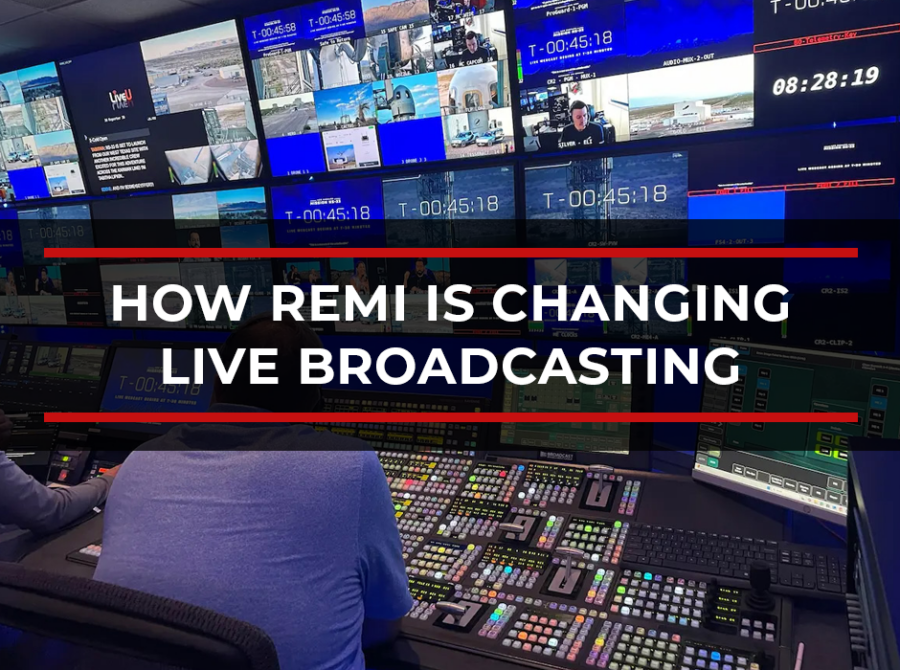
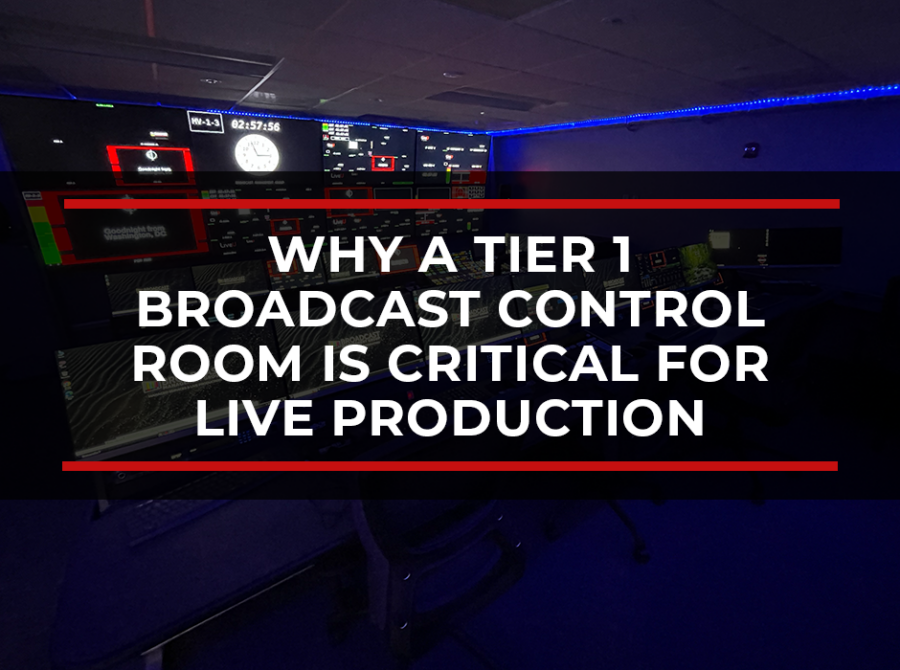
Through a centralized REMI workflow connected to our Network Operations Center (NOC) in Washington, DC, key production elements remain in a controlled, permanent environment. Cameras and essential personnel operate on location, while switching, graphics, replay, audio, monitoring, and transmission can be centralized.
The show moves.
The core production infrastructure doesn’t.
How REMI reduces on-site infrastructure (without sacrificing quality)
1) Centralize what can be centralized (cloud control + REMI workflows)
BMG’s REMI production model keeps switching, graphics, replay, and engineering inside a controlled NOC environment. This removes the need to rebuild full control rooms in every city and reduces the technical variability that comes with temporary builds.
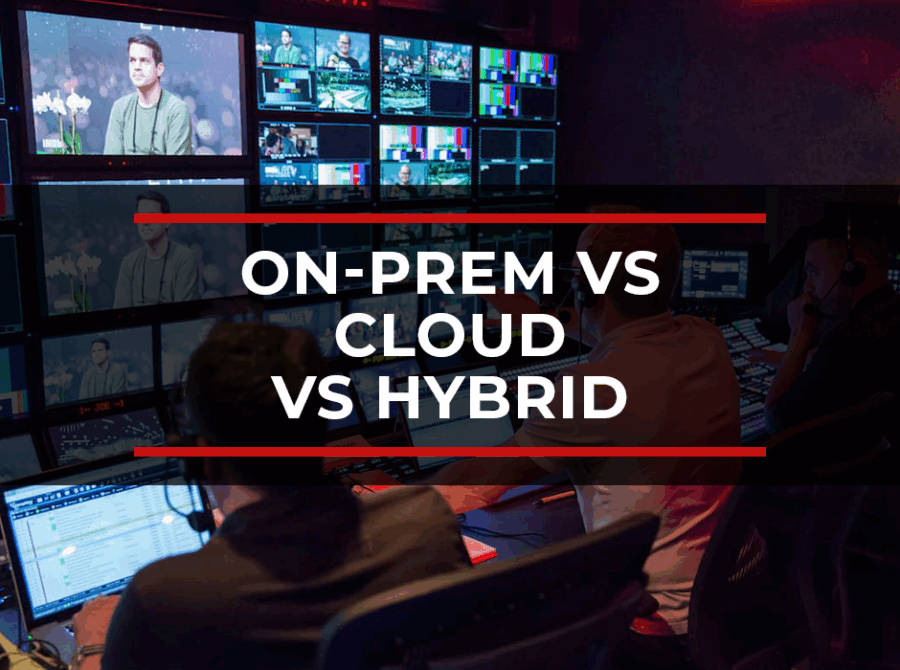
Cloud-connected workflows allow clients to scale technology and production staffing up or down based on the production’s needs, without duplicating infrastructure across locations.
2) Deploy local talent strategically
Instead of flying the same full crew to every city, we source local professionals through BMG’s nationwide freelance network of more than 7,000 broadcast specialists.
This approach maintains consistent execution standards while reducing travel exposure and cost.
3) Support operations beyond show hours
Live productions require more than just show-day staffing. BMG’s 24/7 NOC environment supports monitoring, troubleshooting, and transmission workflows before, during, and after the event.
This layer of operational oversight reduces internal staffing strain while increasing reliability.
4) Plan resources like a system (not a scramble)
The most effective managed production models are repeatable. Roles, escalation paths, engineering support, and travel decisions are planned as part of a system.
Only essential personnel travel — and only when necessary.
The Result
- Fewer flights and hotel/per diem costs
- Smaller on-site footprints
- Faster response when plans change
- Higher operational reliability since the model is designed to scale
BMG also supports distribution needs for linear, live, and VOD delivery across formats, so your event isn’t just produced, it’s delivered.
Case Study: Blue Origin Remote Launch Coverage
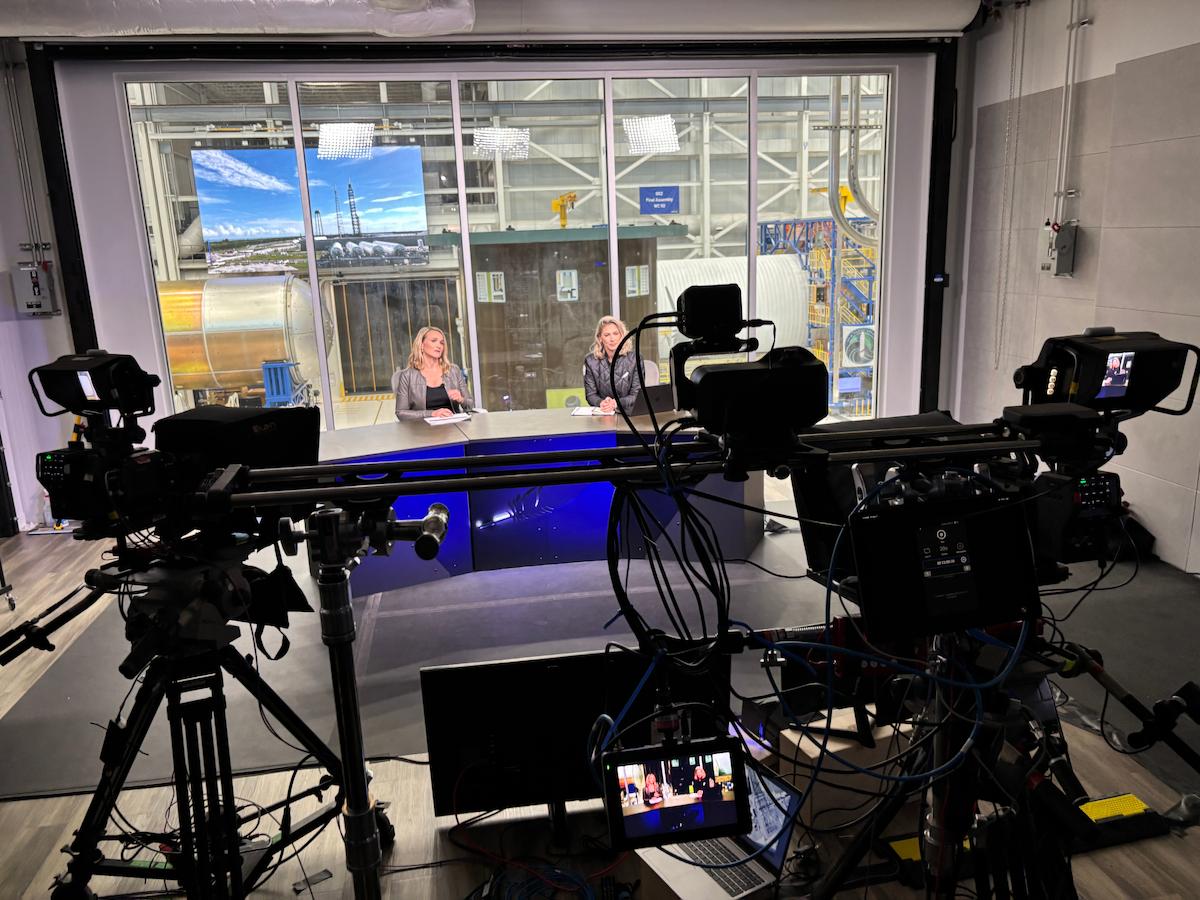
Producing a live broadcast from rural West Texas presents real infrastructure constraints. The launch facility sits roughly 30 miles from the nearest town.
In earlier on-site models, BMG built a full video village and flew in more than 60 crew members.
Blue Origin wanted to evaluate whether a REMI-based workflow could deliver the same broadcast-grade result with reduced travel and operational complexity.
For the NS-32 broadcast, BMG integrated 28 live camera feeds, including drones, robotic cameras, multi-lens tracking systems, and fixed positions across the launch area.
One BMG engineer remained on site to manage signal flow, local encoding, and coordination. Using ultra-low-latency LiveU contribution units, all feeds were transmitted back to BMG’s Washington NOC.
Switching, graphics, replay, monitoring, and transmission were executed inside the centralized infrastructure.
The Result
When infrastructure is centralized, and production is designed as a system:
- Travel is minimized
- On-site footprints are leaner
- Response times improve
- Reliability increases
- Scalability becomes built-in
BMG supports linear, live, and VOD distribution across formats, ensuring that events are not just produced, but delivered.
If geography, staffing, and logistics are driving up cost and risk for your live event, book a consultation. We’ll map what must be on site, what can be centralized, and how to build a production model that protects quality while reducing operational exposure.

Andrew Ryback is the Executive Vice President of Production. He brings over 17 years of experience in production management across live events, entertainment, and on-location shoots. He has managed production logistics for high-profile events, including The Emmys, The Oscars, TIFF, SXSW, Comic-Con, New York Fashion Week, Sundance, and both national political conventions. At BMG, he oversees complex productions from crew and equipment coordination to budgeting, permitting, and on-site execution.
About Andrew Ryback