Enterprise organizations rely on live video for some of their most important communications.
All-hands meetings. Investor calls. Leadership town halls. Product launches. Internal training.
For most large companies, live video is no longer occasional. It’s part of how they operate.
The problem is that most streaming platforms weren’t built for that environment.
They’re designed for open access, flexible distribution, and ease of use. That works for consumer and small-team use cases. It breaks down quickly inside enterprise IT environments with identity systems, security policies, and compliance requirements.
This is where platform decisions get complicated.
Broadcast and communications teams evaluate platforms based on production quality and workflow. IT and security teams are focused on authentication, access control, and data handling.
If those requirements aren’t aligned early, the deployment either stalls or the organization ends up compromising on one side.
For enterprise streaming, SSO and security aren’t features you evaluate at the end. They’re baseline requirements from the start.
Why Enterprise Streaming Is Different
Consumer platforms are built for access. Anyone with a link can watch.
Enterprise environments work differently.
Access needs to be controlled. Users need to authenticate through the company’s identity system. Permissions must align with roles and departments. In some cases, every access event needs to be logged.
What separates enterprise streaming from general platforms:
- Authenticated access tied to corporate identity
- Role-based permissions control access to content and features
- Audit logging for compliance and reporting
- Integration with identity systems so access stays in sync with your organization
- Data handling aligned with regulatory requirements
This is where things usually go wrong.
If these requirements aren’t addressed early, IT blocks the platform, or the organization ends up using a tool that creates long-term risk.
Why IT and Broadcast Teams Need to Be in the Room Together
Platform decisions for enterprise live streaming often break down when they’re made by only one side of the organization.
Broadcast and AV teams focus on production.
Video quality, reliability, encoding, and workflow.
IT and security teams focus on control.
Authentication, access management, data storage, and compliance.
Both are right. And both are required.
A platform that meets production needs but fails IT review won’t get deployed. A platform that passes IT but can’t support production creates workarounds and long-term friction.
You need both perspectives in the room from the beginning.
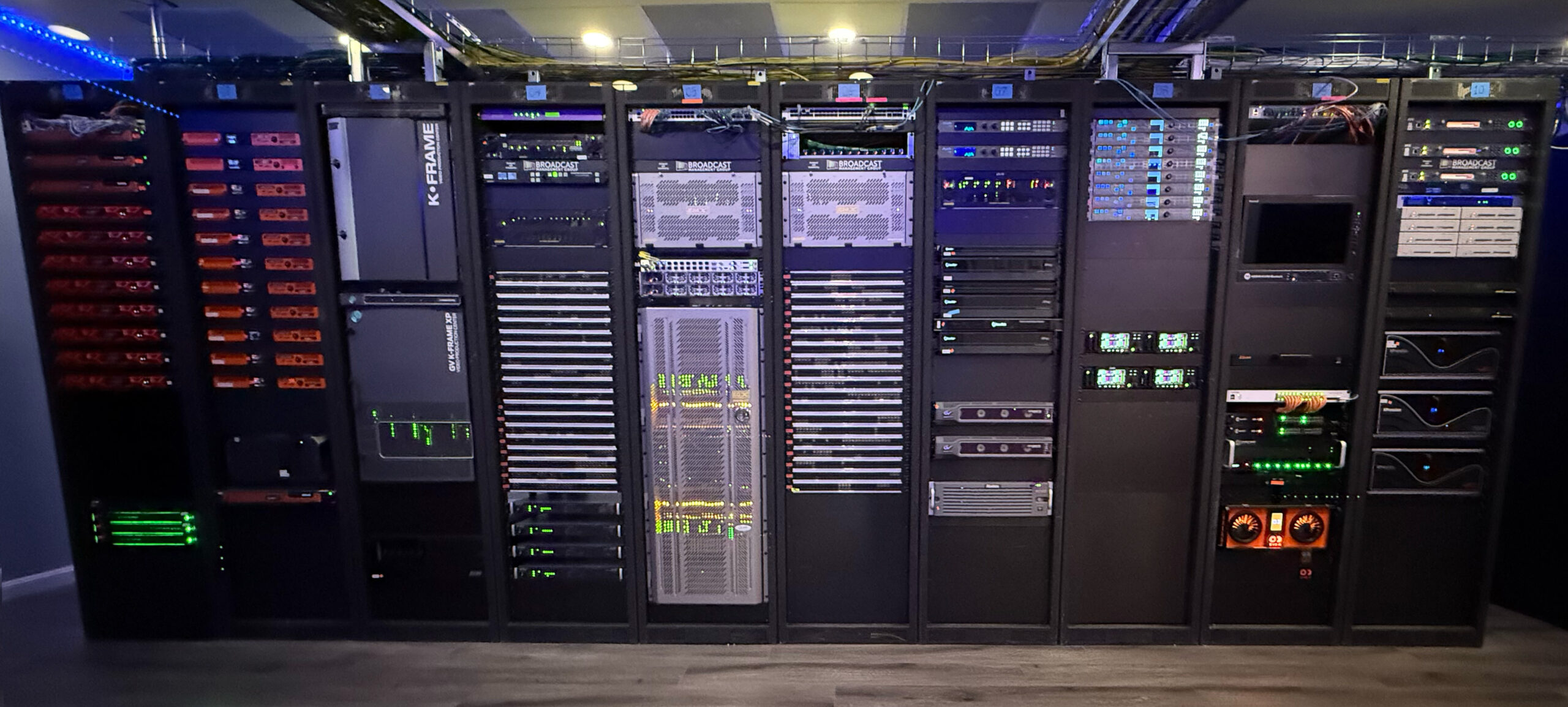
BMG’s experience comes from building and operating broadcast systems for enterprise, financial, and government clients where production and IT requirements have to work together. This broadcast systems integration solution includes designing the system, integrating it with identity and network infrastructure, and supporting it through live production.
If those pieces aren’t aligned from the start, the system doesn’t work in practice.
What SSO Actually Means for Enterprise Streaming
Single sign-on (SSO) allows users to access the streaming platform via the organization’s existing identity provider, eliminating the need to manage separate credentials.
That matters for a few reasons:
- No separate account management
- MFA policies carry over automatically
- Access is tied directly to employment status
When someone leaves the company and their account is deactivated, their access to streaming content is removed simultaneously.
Most enterprise environments rely on identity providers like Microsoft Entra ID, Okta, or Ping.
From there, integration typically comes down to a few standard protocols:
- SAML 2.0 – the most widely supported across enterprise platforms
- OIDC (OpenID Connect) – preferred for modern cloud environments
- LDAP – still used in some on-prem environments
Group-Based Access Control and SCIM Provisioning
SSO handles authentication at login.
SCIM handles everything that happens after that.
It automates the creation, updating, and removal of user accounts across the platform.
- New employee → account is created automatically
- Role change → permissions are updated
- Employee leaves → access is removed
Without SCIM, this process becomes manual. And that’s where gaps start to show up.
Directory groups can also map directly to platform permissions, allowing organizations to control access without rebuilding their structure within the platform.
Security Requirements Beyond SSO
SSO is just one part of the picture.
Enterprise streaming security extends further.
Data residency
For organizations operating globally, where content is stored and processed matters. Compliance requirements often dictate where data can and cannot live.
Audit logging
You need a record of who accessed what and when. For regulated industries, this is often required.
Network delivery
This is one of the most underestimated factors.
A live stream to thousands of internal viewers can overwhelm a corporate network if every user pulls from an external source.
Enterprise CDN (eCDN) solutions address this by distributing video internally across the network. In large deployments, this can reduce bandwidth usage by 90 to 99 percent.
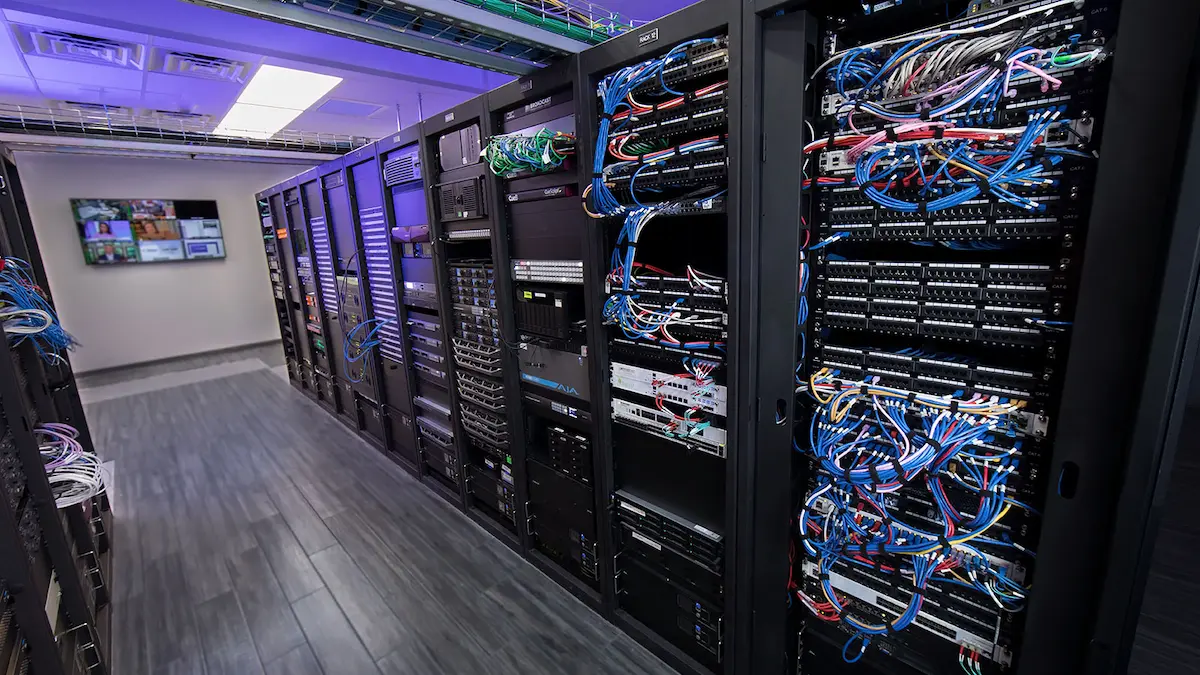
BMG’s experience in these environments comes from designing broadcast-grade infrastructure that connects production, delivery, and enterprise IT systems into a single workflow. That includes redundant transmission paths, multi-CDN delivery, and integration with identity and network systems.
How to Evaluate Enterprise Live Streaming Platforms
When security and compliance are part of the equation, platform evaluation looks different.
Start with the fundamentals:
- Does the platform support SAML 2.0 with your identity provider?
- Does it support SCIM provisioning?
- Where is content stored and processed?
- What access events are logged, and how are logs exported?
- Does it integrate with your eCDN strategy?
- What compliance certifications does the vendor provide?
- What is the incident response process?
If a platform can’t meet these requirements, production capabilities become irrelevant for enterprise deployment.
Why a Managed Partner Changes the Outcome
Selecting a platform is only part of the process.
Getting it fully deployed and operational is where most of the work happens.
SSO configuration, access control setup, network coordination, training, and live production all need to come together at the same time.
That’s where a managed partner makes a difference.
It reduces the burden on internal teams and helps ensure everything works together from day one, not just on paper.
The Business Case for Getting This Right
The cost of misalignment adds up quickly.
A platform blocked by IT delays deployment.
A platform that passes IT but fails production creates workarounds.
A platform deployed without alignment creates long-term risk.
This isn’t just a technical decision.
For organizations that rely on live video, it’s a business decision.
Enterprise live streaming platform selection should be a joint effort between communications, broadcast, and IT stakeholders from the start.
If your organization is evaluating enterprise live streaming infrastructure and needs help aligning production and IT requirements, BMG’s systems integration consultation teams can help you build a system that works for both.
Contact BMG for a full broadcast systems integration consultation or to upgrade existing broadcast systems.

Tawfiq Rahman is Vice President of System Design and Engineering at BMG. He brings more than 27 years of broadcast engineering experience across television stations, multi-camera studios, government projects, and large-scale media facilities. His background includes leadership roles at Ekushey Television Limited, BBC World Service, and Ekattor Television, the first Full-HD 24/7 news station in Bangladesh. At BMG, Tawfiq leads system design and engineering efforts for broadcast facilities, control rooms, studios, and advanced production workflows.
About Tawfiq Rahman