As the media landscape grows more complex, channels and network groups are under increasing pressure to deliver flawless linear content, manage expansive Video On Demand (VOD) libraries, and maintain a constant presence across digital and social platforms.
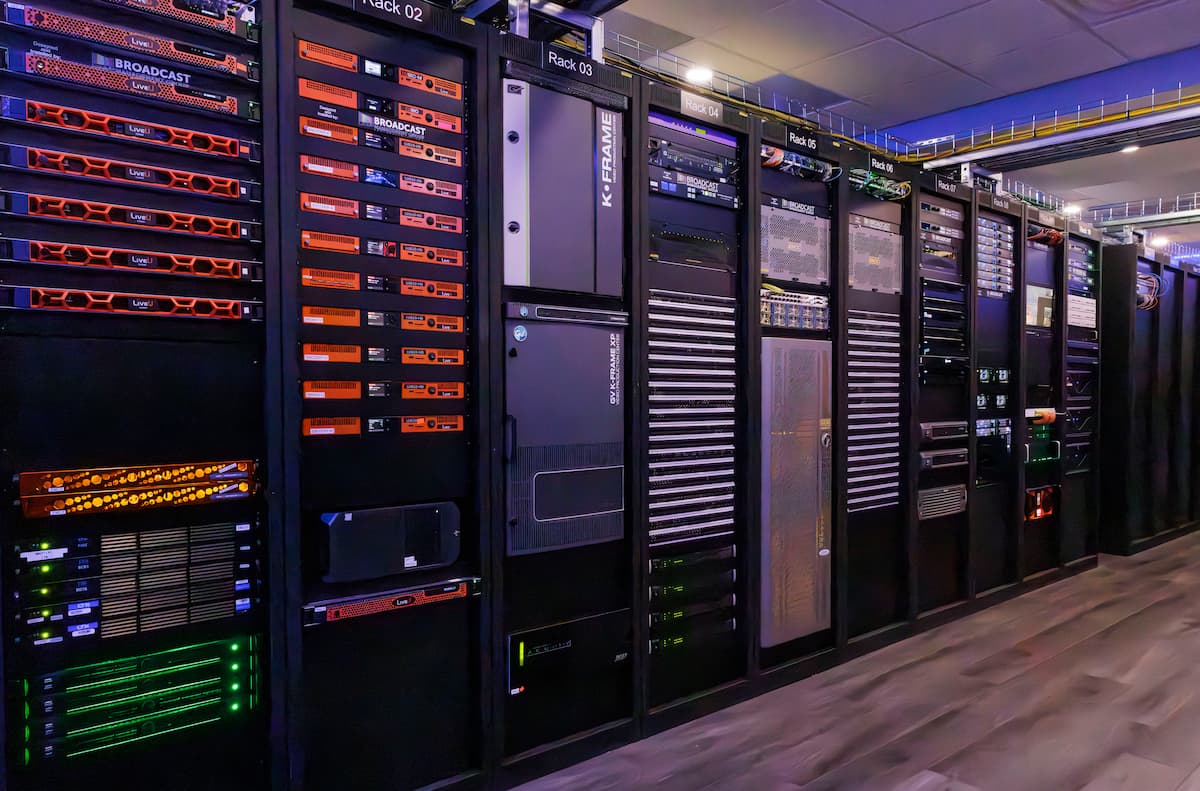
Traditional, on-prem broadcast infrastructure wasn’t built for this level of demand.
That’s why more broadcasters are turning to cloud-based broadcast managed service providers (MSPs). Not just to outsource operations, but to gain the flexibility, scalability, and reliability required to operate across today’s distribution environment.
From Infrastructure to Operations
Cloud-based MSPs don’t just replace hardware. They change how channels are operated.
Instead of managing separate systems for playout, VOD, distribution, and social, everything runs through a unified, cloud-based workflow. That system allows teams to move faster, experiment with new verticals, reduce operational complexity, and scale without having to rebuild their infrastructure.
Reliable Delivery Across Every Platform
One of the biggest advantages of cloud-based operations is reliability at scale.
Modern MSPs provide elastic capacity, high redundancy, automated failover, and 24/7 monitoring. That ensures content is delivered consistently across:
- Linear playout
- Large-scale VOD libraries
- FAST and OTT platforms
- Social and digital channels
Without the physical limitations of traditional infrastructure, there are fewer points of failure and more control over how content is delivered.
Faster VOD Workflows and Global Distribution
Managing VOD at scale has traditionally been resource-intensive.
Cloud-based workflows streamline the process by supporting:
- Transcoding and formatting to meet demands of different VOD platforms
- Versioning, DRM, Encryption and localizations
- Metadata management and packaging
- Multi-platform distribution
This reduces bottlenecks and allows teams to move content from production to distribution much more efficiently.
Scaling Without Rebuilding Your System
In a traditional environment, growth requires new hardware, new systems, and long deployment timelines.
Cloud-native MSPs can remove that those barriers and replace them with agility.
Channels can:
- Launch new linear or FAST channels quickly
- Expand VOD libraries without storage constraints
- Add new platforms or regions on demand
- Quickly enter a new vertical like social media or Micro-Dramas
- Handle spikes in viewership without disruption
Scaling becomes a configuration decision, not an infrastructure project.
Extending Content to Social and Digital Platforms
Modern broadcast operations don’t end at playout.
Cloud-based MSPs make it easier to extend content into digital and social environments by supporting:
- Automated clip creation
- Platform-specific formatting
- Integrated analytics and real-time engagement tracking
- Social-native monetization opportunities
This allows organizations to get more value from the content they’re already producing.
Built-In Resilience and Disaster Recovery
Reliability isn’t just about uptime. It’s about continuity.
Cloud-based MSPs can use geographically distributed infrastructure to ensure operations can continue even during major disruptions. This includes:
- Instant failover to alternate regions
- Automated recovery of playout and VOD workflows
- Continuous access to content and channels during outages
The result is a more resilient operation that protects content, brand and revenue.
A More Efficient Operating Model
Moving to a cloud-based managed service model also changes the cost structure.
Instead of large capital investments and ongoing hardware maintenance, organizations shift to a more predictable operating model. This reduces the need for:
- Hardware refresh cycles
- Large in-house technical teams
- Ongoing infrastructure upgrades
At the same time, the platform continues to evolve with new capabilities, features, and security updates.
Access to Specialized Expertise
Cloud-based MSPs combine broadcast operations with cloud engineering expertise.
That includes capabilities in:
- Cloud playout
- VOD automation
- FAST and OTT distribution
- Social media workflows
- AI-driven process optimization
For many organizations, building and maintaining that level of expertise internally isn’t practical.
Refocusing on Content and Growth
When infrastructure and operations are managed externally, internal teams can shift their focus.
Instead of managing systems, they can prioritize:
- Content creation
- Audience engagement
- Cross-platform monetization
- Long-term strategy
- Experimentation
Which is where the real value is created.
The Bottom Line
Cloud-based broadcast managed service providers are redefining how channels and networks operate and what they can achieve.
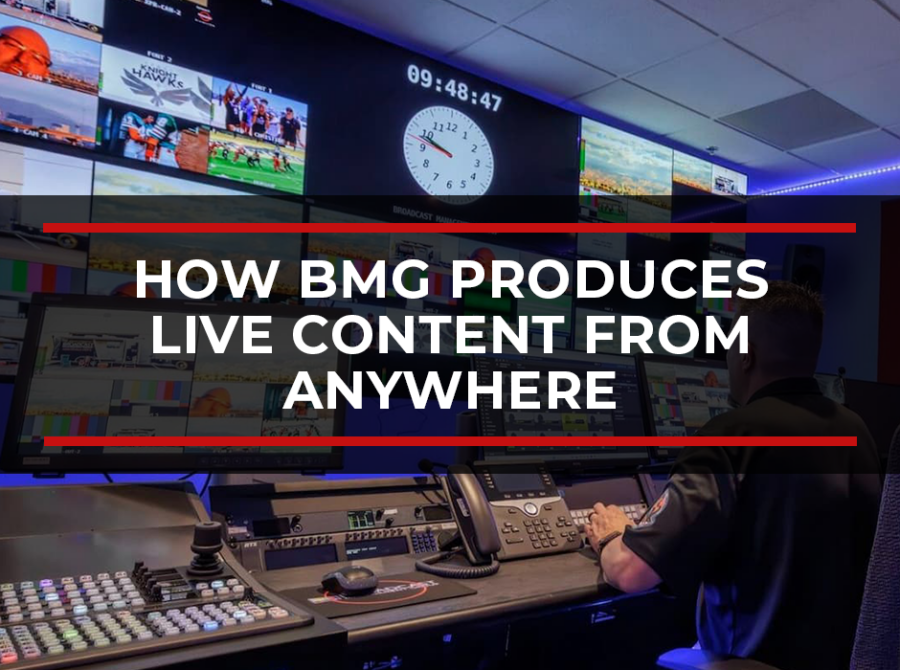
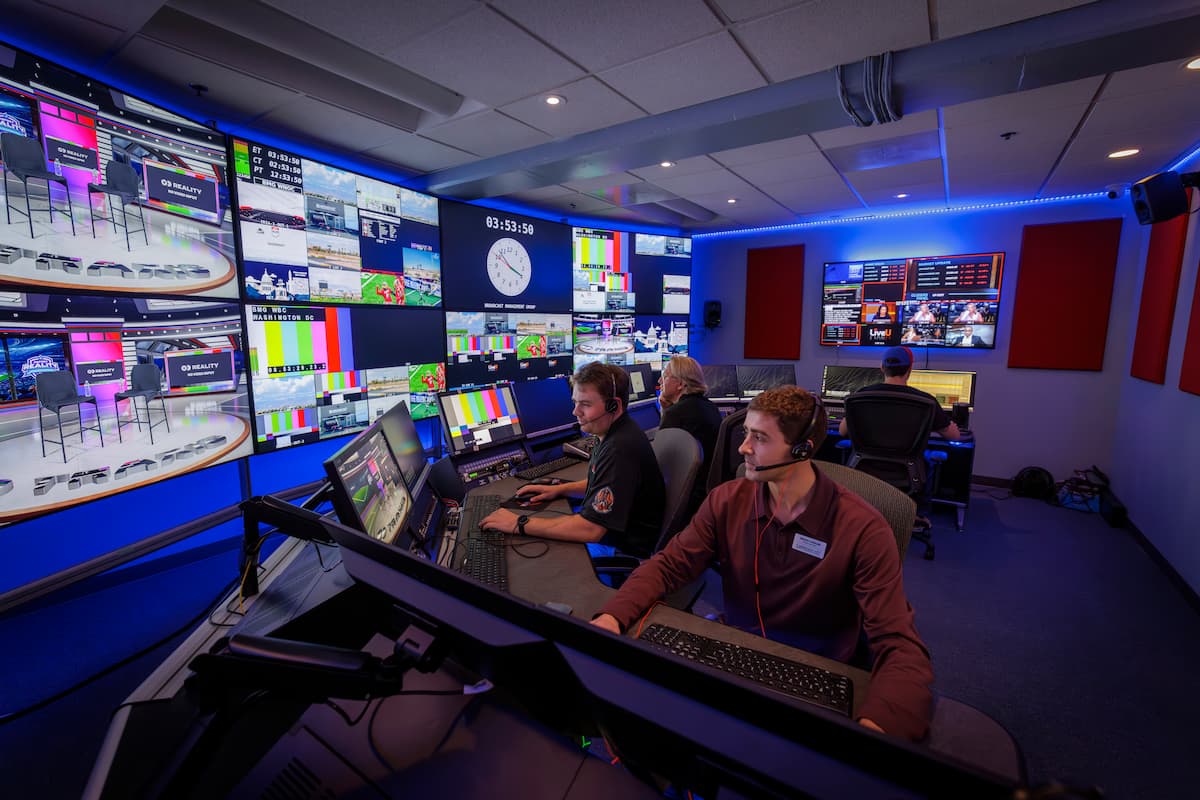
By combining reliability, scalability, and integrated workflows, they enable organizations to manage linear, VOD, OTT, and social distribution from a single system. This is what BMG does in its cloud control center.
If you’re evaluating how to modernize your channel operations, start by understanding what a fully managed, cloud-based workflow looks like in practice. Start with a consultation with one of our experts.

Karen Landry is Director of Master Control, Playout & Transmission at BMG. She brings over 20 years of experience across post-production, broadcast engineering, and client services, having supported major entertainment productions, live sports, and premier events, including the Super Bowl, the Olympics, and Amazon’s Thursday Night Football. In her current role, Karen partners with clients to develop and deliver cloud-based channel playout and transmission solutions that drive operational excellence.
About Karen Landry