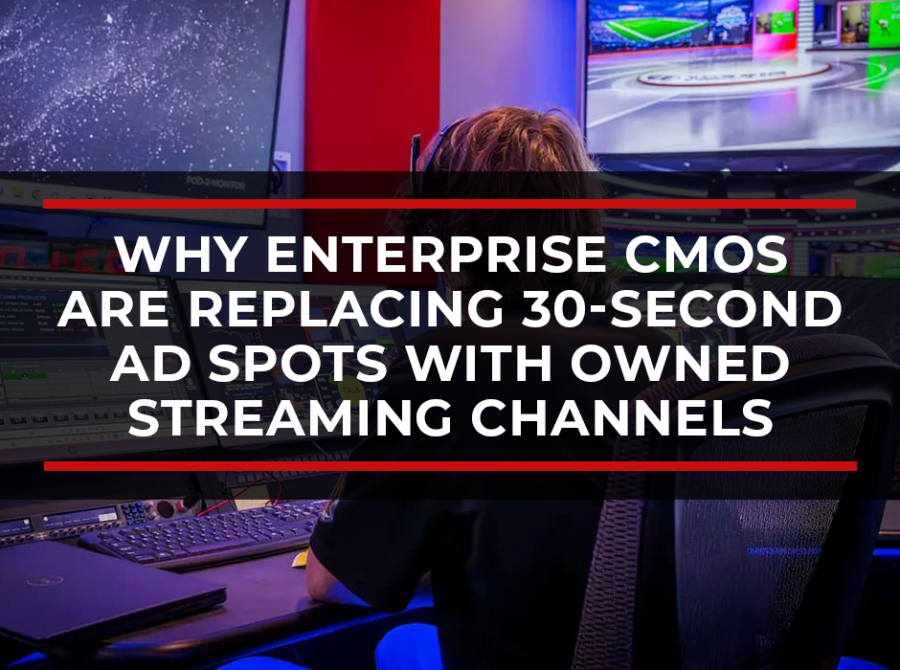
Enterprise video goes beyond the conference room and basic conferencing tools, expanding into advanced video systems integration.
Organizations use video for internal and external communications for executive communications, hybrid meetings, internal broadcasts, live events, product launches, training, and branded content.
These unique environments require integrated systems designed to work together.
Enterprise Video Has Outgrown the Conference Room
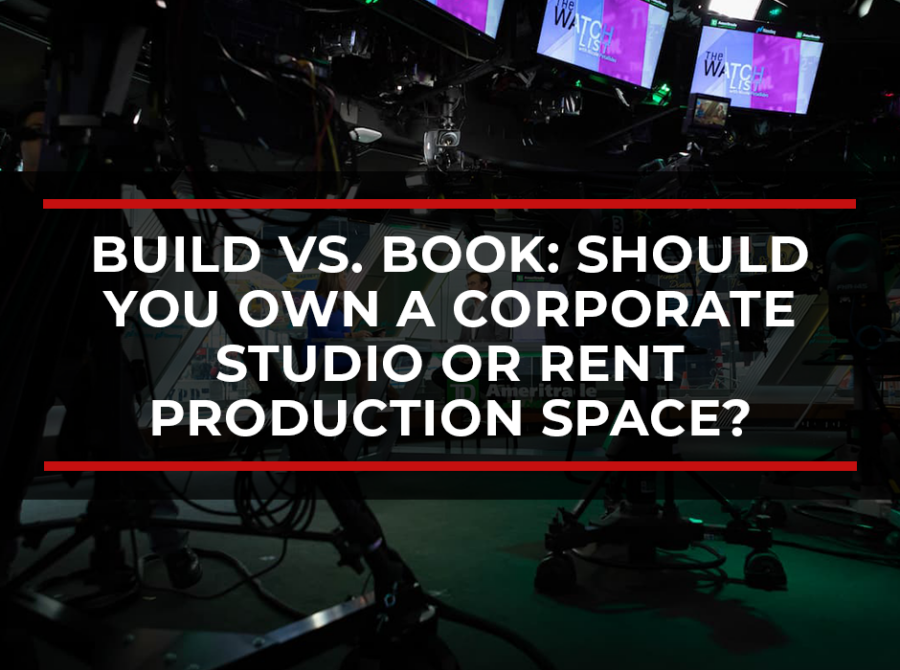
Corporate video environments support everything from internal communications to large-scale live productions.
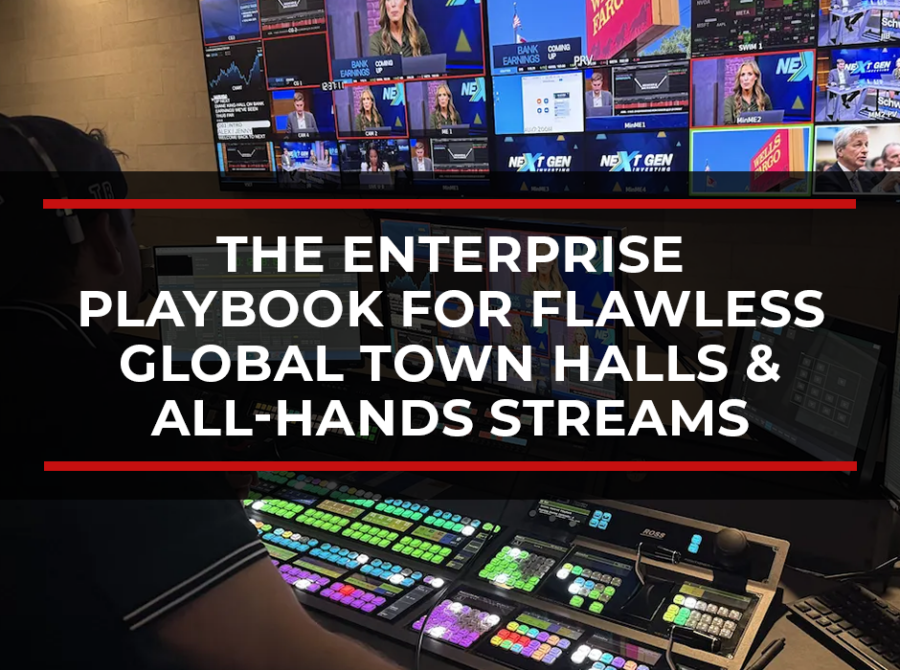
The challenge here is building infrastructure that integrates video, audio, conferencing, lighting, and display systems into a single cohesive environment.
Without video systems integration, organizations face inconsistent performance, workflow issues, and operational inefficiencies.
There is a knowledge gap in organizations regarding systems integration assessments and how to move from traditional communication tools to modern, video-driven engagement. Professional systems integration becomes essential in closing this knowledge gap.
Many organizations want to produce and distribute content across live, on-demand, mobile, and interactive platforms, but are unsure what systems and workflows are needed to make that transition.
BMG helps by designing integrated production environments that turn that vision into a scalable, day-to-day reality.
The core components of an Enterprise Video Systems Integration Environment
A professional enterprise environment requires more than just a camera and a screen. It requires deliberate architecture across six key pillars:
Video Conferencing and Web Collaboration
Enterprise video conferencing needs to extend beyond basic consumer setups. The quality of performance depends on camera positioning, network quality of service, and the physical live environment.
Integrating web collaboration tools means connecting systems to platforms like Zoom, Teams, Webex, through intentional signal routing.
The goal is consistent and efficient performance whether users or the audience are in the room, across multiple offices, or joining remotely through live stream. Systems integration means designing for a platform-agnostic experience in which Zoom, Teams, and Webex can all function reliably on the same hardware stack.
Audio
Audio has the greatest impact and is often the most overlooked part of enterprise video systems.
Enterprise audio design includes:
- Proper room treatment
- Strategic microphone placement (lavalier, boundary, ceiling array, or hybrid setups)
- Mix-minus routing for conferencing
- Confidence monitoring to catch issues before they go live
The internal production footprint, such as the number of studios, control rooms, and edit rooms, can shape the complexity of audio integration within the system.
Video Walls and Digital Signage
Video walls serve different purposes depending on the environment.
They can function as:
- Broadcast LED backdrop for live presenters
- Lobby digital signage network
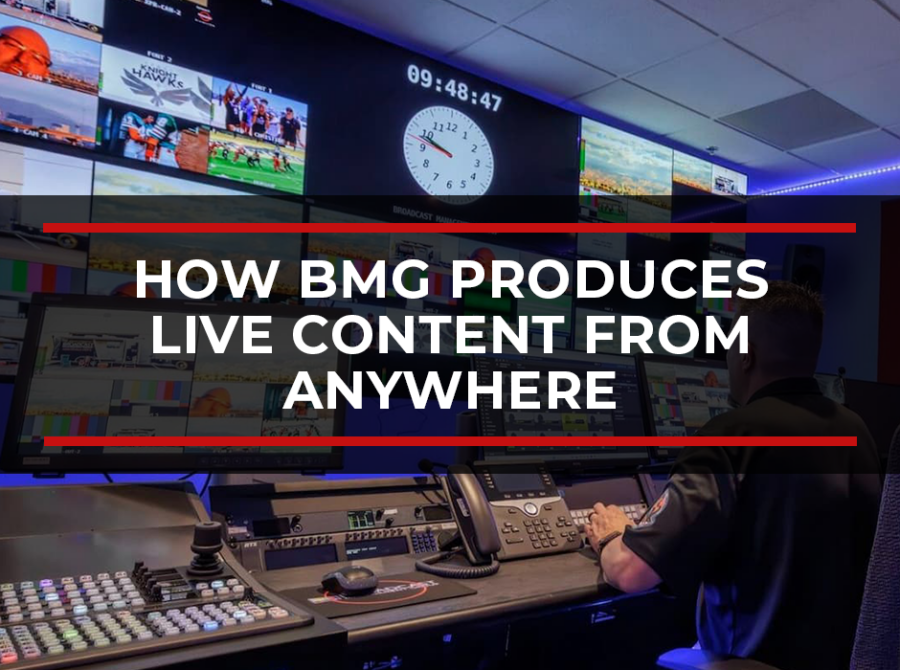
- Control room multiviewer
- Branded event display
Each use case has its own requirements for resolution, pixel pitch, content management, and signal inputs.
Effective integration focuses on the specific application, not just the largest or most advanced screen available.
Lighting
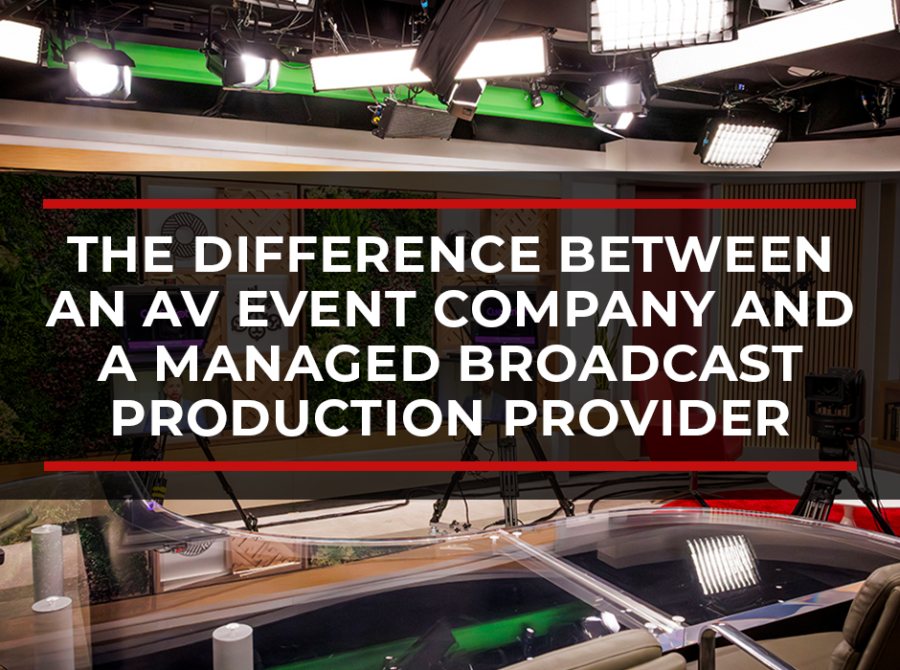
Lighting is a core part of systems integration.
Stage lighting influences camera exposure, color accuracy, presenter visibility, and overall production quality for recorded or live content.
In corporate environments, lighting supports dual-purpose spaces, as on-camera presentation rooms function differently than standard meeting rooms.
Streaming, Transmission, and Distribution
A live production is only successful if the audience receives it as intended.
That is why streaming and transmission need to be built into the system, not added at the end.
BMG designs these workflows so content can move reliably from the studio or event space to the people who need to see it. That may include encoding, recording, captioning, backup paths, RTMP delivery, enterprise platform distribution, overflow room feeds, remote presenter contribution, and post-event assets.
The result is a production environment where teams create content and deliver it with the consistency, control, and reliability expected of a broadcast-grade operation.
Monitoring, Support, and Managed Services
Broadcast-grade enterprise systems require ongoing support after installation.
Studios, control rooms, event spaces, streaming workflows, and multi-location production networks need to be maintained, tested, monitored, and supported to remain reliable over time, especially when used for executive broadcasts, company-wide town halls, investor events, product announcements, and branded live experiences.
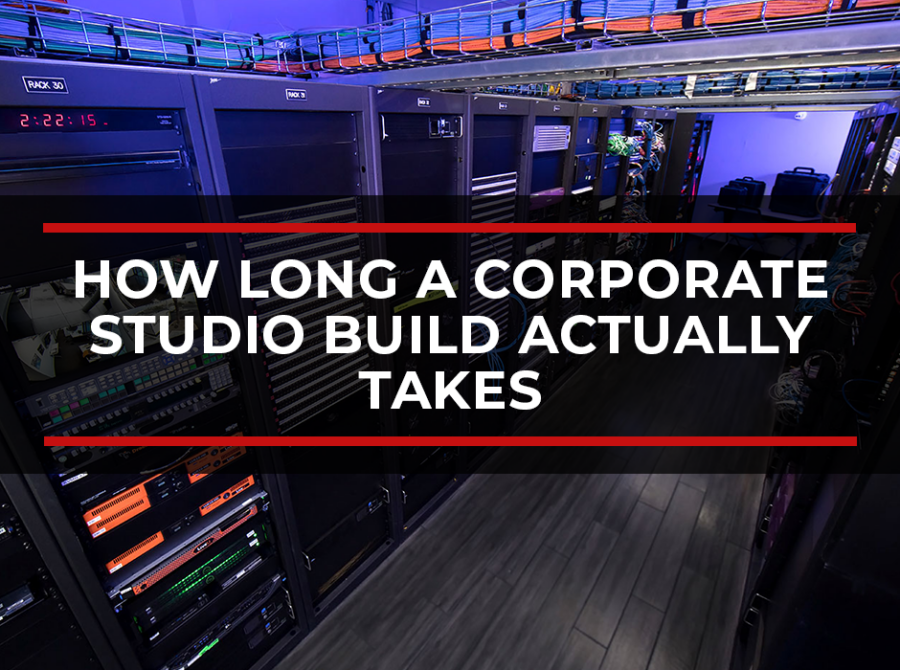
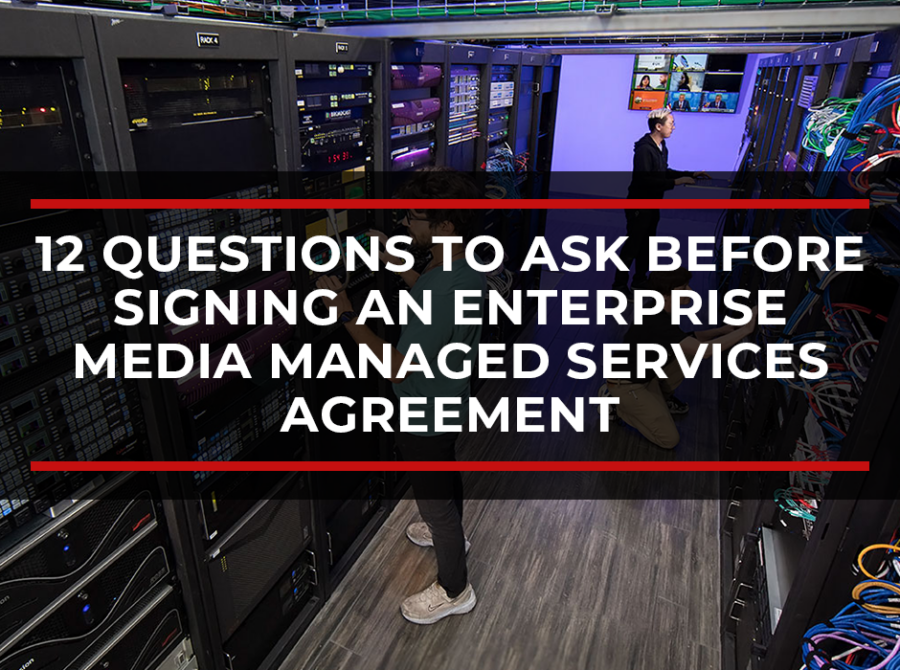
BMG’s managed services help enterprise teams maintain consistency across rooms, studios, offices, and event environments through system health checks, remote monitoring, workflow testing, operator support, production staffing, maintenance planning, troubleshooting, and live-event support.
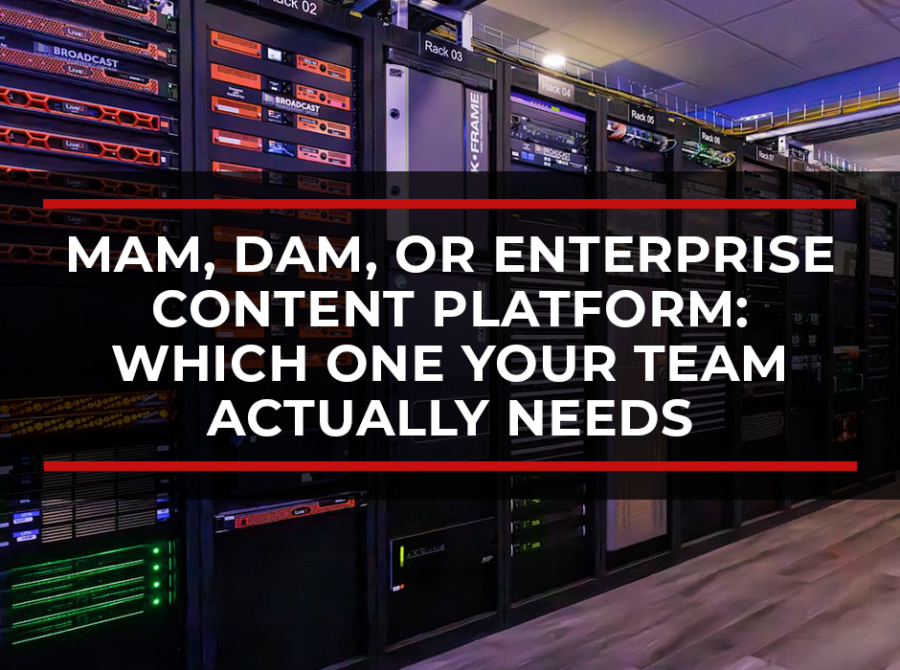
Centralized monitoring through a Network Operations Center can also provide greater visibility across the production ecosystem, helping organizations support multiple locations through a more unified operational model.
Two Enterprise Video Systems Integration Projects. What was required in practice
Corporate Studio and Control Room Build – Global Hospitality Brand
A global hospitality brand partnered with Broadcast Management Group (BMG) to design, build, and operate a multi-location video production ecosystem in McLean, Memphis, and Dallas.
BMG delivered a live production model that included:
- Studio and control room design
- Systems integration and workflow engineering
- Lighting, audio, and video infrastructure
- Portable production systems and flightpack deployment
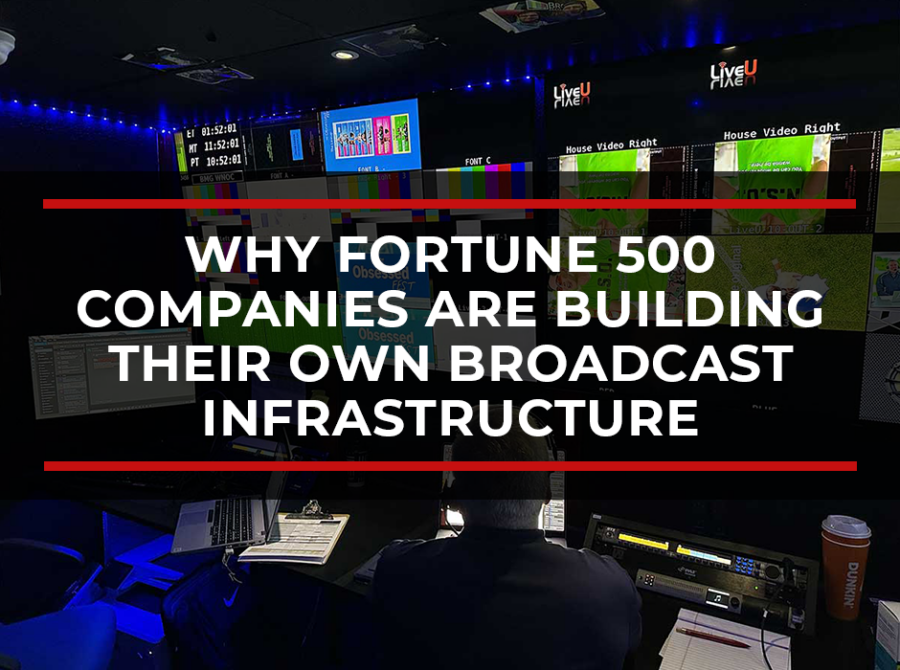
- Centralized monitoring through BMG’s Network Operations Center
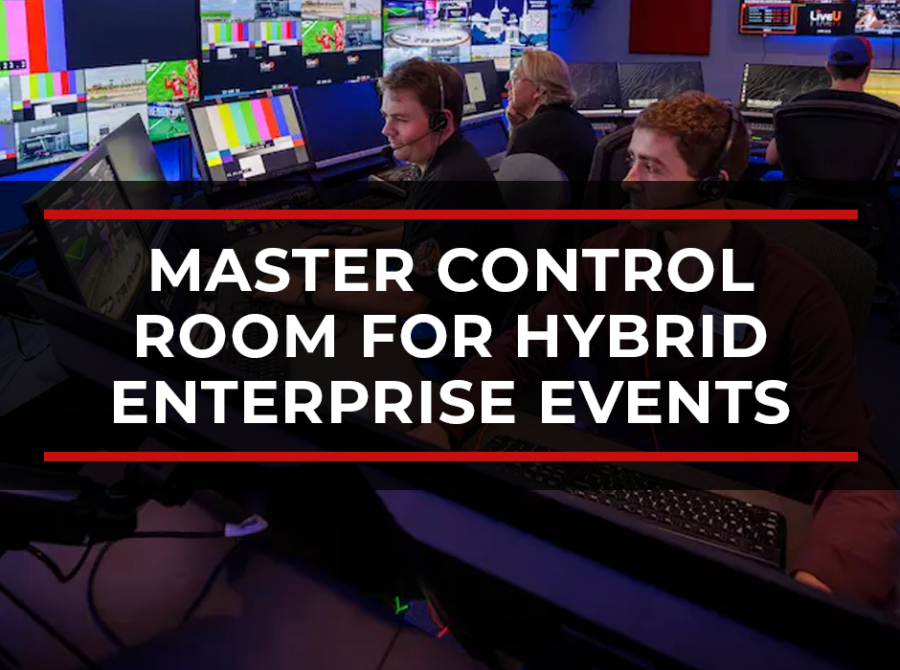
- Ongoing staffing and managed services support
Each site was designed to operate independently or as part of a centralized production network.
This allowed the organization to scale video production without rebuilding workflows at every location.
The result was a consistent, repeatable production standard across all corporate sites, which supported executive communications, internal broadcasts, hybrid events, and distributed live production.
Large-Scale Branded Live Event – Condé Nast at Tisch Skylights
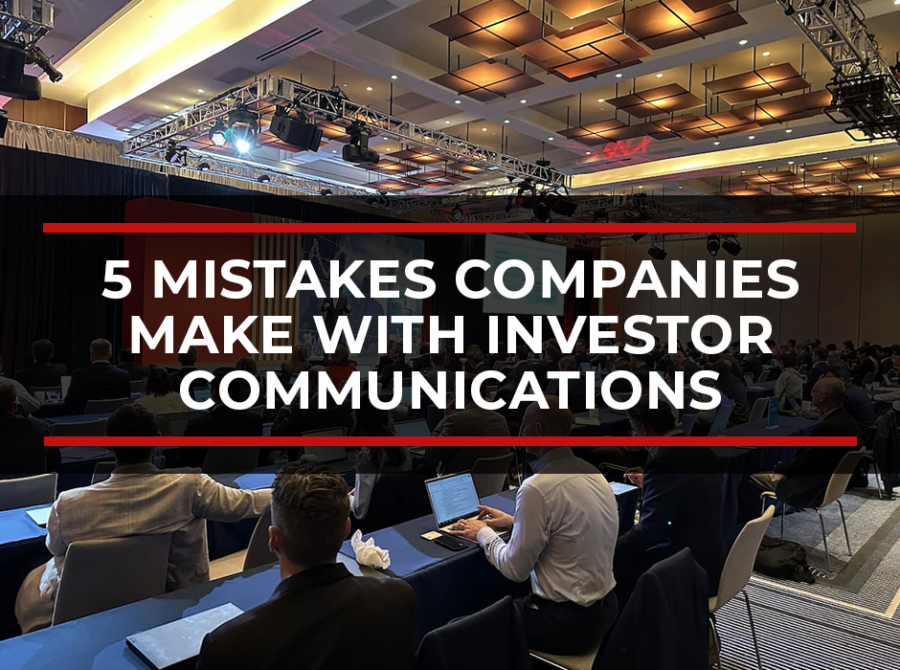
At Condé Nast’s 2022 NewFront presentation at Tisch Skylights in New York City, BMG delivered a fully integrated live production environment designed for both in-person impact and broadcast distribution.
The space was transformed to reflect the brand’s sleek, high-end aesthetic while supporting a complex multi-platform live production.
A 40-foot LED wall anchored the stage design, supported by a branded video village and a fully designed green room. Every environment followed a unified visual and technical theme.
Lighting was engineered to shape the entire experience, from camera exposure to audience perception, ensuring consistency across both live and broadcast outputs.
The production utilized five 4K broadcast cameras, including a POV system, to capture the event from multiple perspectives with broadcast-level precision.
BMG managed all transmission workflows, including:
- RTMP delivery to the Interactive Advertising Bureau platform
- Integration with Condé Nast’s enterprise Zoom environment for internal employee viewing nationwide
- Multi-platform live streaming distribution
Beyond broadcast execution, BMG provided full event production and technical management, including:
- Audio, video, lighting, and LED systems
- Stage design and custom fabrication
- Control room operations and signal routing
- Teleprompter and camera systems
- Live streaming infrastructure
- Production management coordination
- Overflow viewing monitors for lobby spaces
The environment required all systems to operate as a unified production infrastructure rather than as separate technical components.
Integrated systems are what make modern corporate video and live events possible.
As organizations expand in live production, success depends on how well video, audio, lighting, conferencing, and display systems work together.
BMG specializes in building and operating these environments by designing fully integrated systems that support enterprise video production from the studio to the stage, and delivering the infrastructure needed to execute at scale with confidence.
Connect with BMG to design and execute a fully integrated enterprise video and live production systems that scale with your organization.

Kathy Samuels is Director of Creative Services at BMG. She is an Emmy-winning producer and media executive with nearly 30 years of experience across broadcast television, digital content, live production, and emerging media. Her background includes senior roles at NBC, CBS, ABC, and Joyus, as well as work launching major programs including Access Hollywood, Rachael Ray, and Katie. At BMG, Kathy leads creative services initiatives that help clients develop show formats, live experiences, content strategies, and audience-focused productions.
About Kathy Samuels