

As BMG CEO Todd Mason often says, event broadcasting is what turns a single in-person event into a worldwide shared experience.
What Is Event Broadcasting?
Event broadcasting is the delivery of live events to audiences in real time across TV, streaming, or digital platforms.
It’s designed to make viewers feel present, no matter where they are.
Common use cases include:
- Political town halls
- Corporate roadshows
- Entertainment press tours
- Product launches
- Nationwide experiential events
At its core, event broadcasting brings together cameras, audio, graphics, replay, and switching to capture and shape the story of a live event, with producers, directors, and technical teams making real-time decisions about what the audience sees.
Behind the scenes, that production is supported by the infrastructure that moves signals from the venue to the viewer. This includes signal routing, transmission paths, comms systems, and redundancy, along with coordination between mobile units, network operations centers, master control, and production teams.
Where Event Broadcasting is Used Today
Event broadcasting is used by organizations that need to deliver live events with consistency, reliability, and scale.
Common use cases include:
Corporate Communications Teams
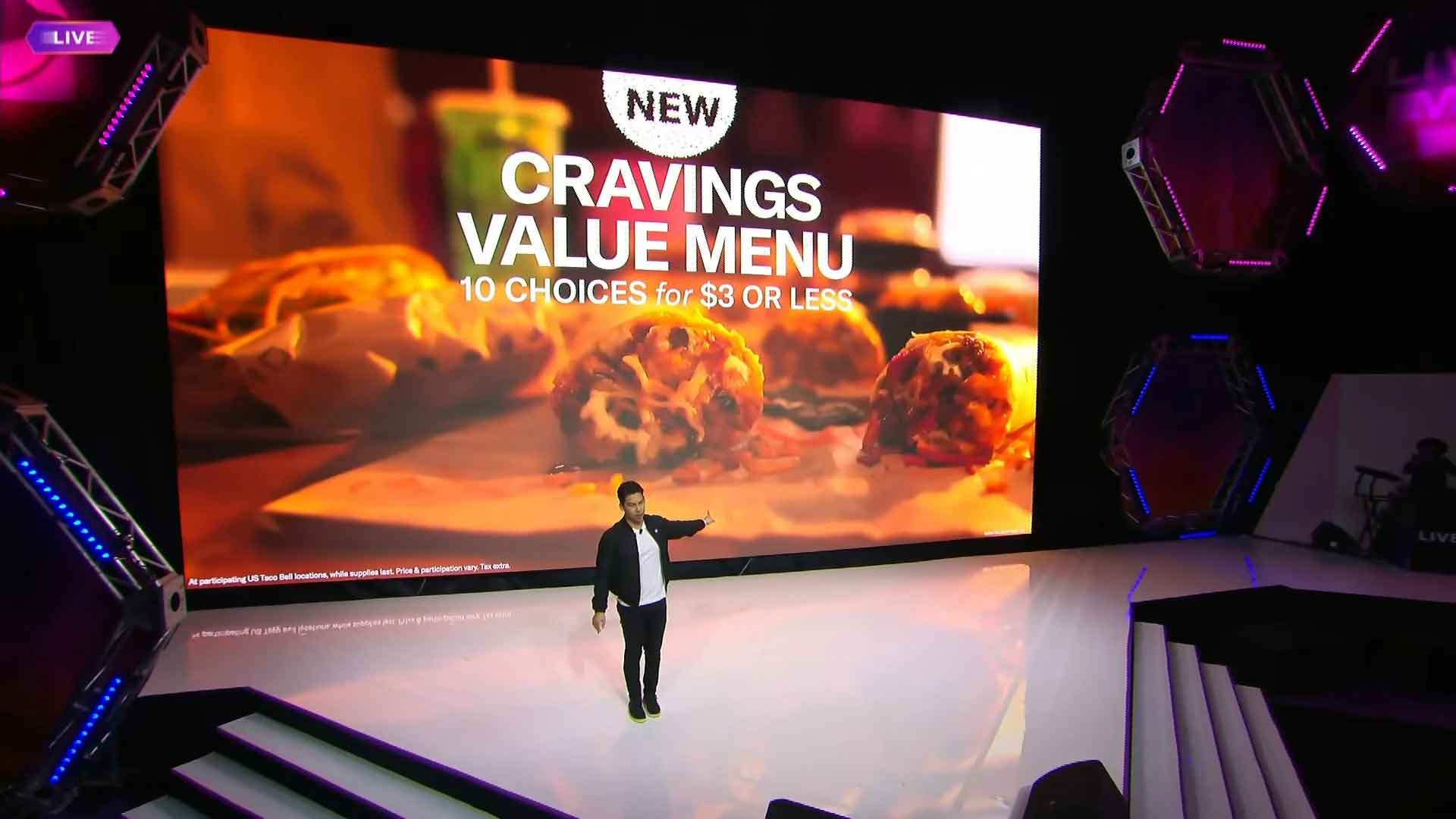
Executing nationwide leadership roadshows, product launches, and investor programming,often requiring seamless, high-impact distribution at scale. For example, Broadcast Management Group supported Taco Bell with Live Más LIVE, the brand’s inaugural global broadcast, helping generate over 7 billion media impressions.
Sports Leagues & Properties
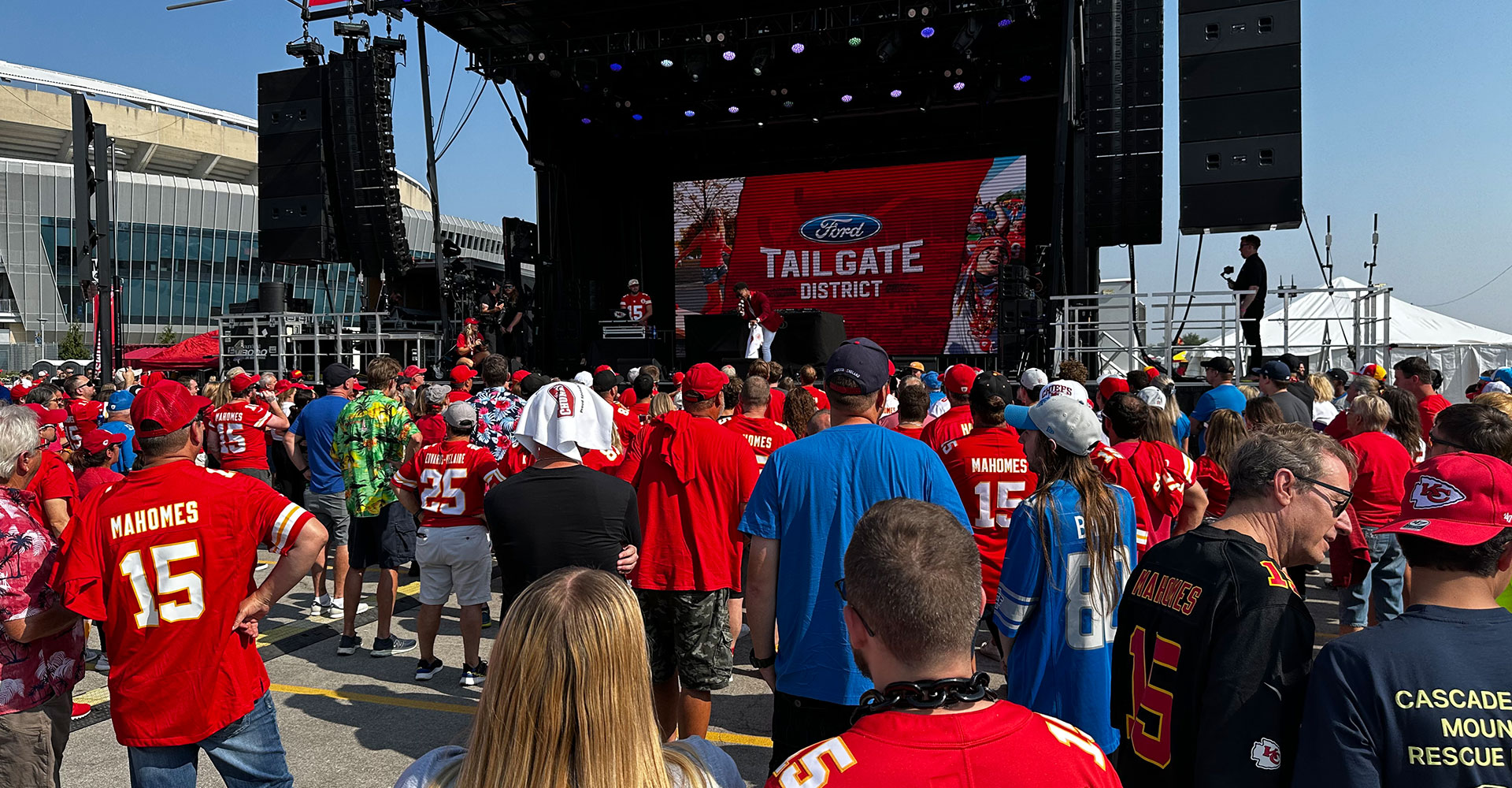
Running multi-market promotional tours and press circuits, where consistency and broadcast quality are critical. BMG partnered with the Kansas City Chiefs to produce the World’s Largest Tailgate, delivering a fully produced live experience with end-to-end technical execution and distribution.
Entertainment Brands
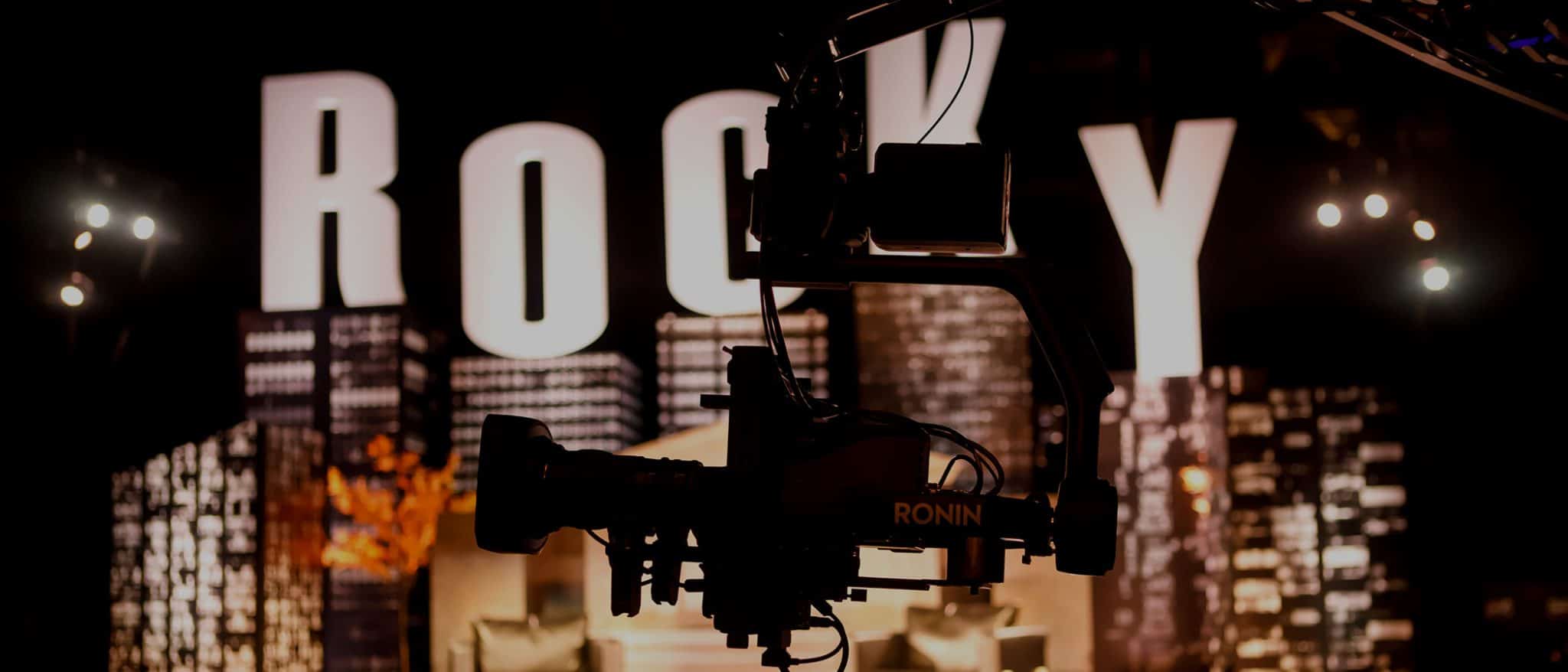
Producing multi-city fan events, premieres, Q&As, and branded experiences. BMG supported Metro-Goldwyn-Mayer with the Rocky IV red carpet premiere and live Q&A, managing the full broadcast infrastructure, crew, and distribution to ensure a polished, global audience experience.
Networks & Media Organizations

Delivering political town halls, debate series, press events, and contributor specials. BMG has worked with the Al Jazeera Network to provide end-to-end live production and technical operations, enabling high-quality, real-time programming at scale.
Agencies & Experiential Teams
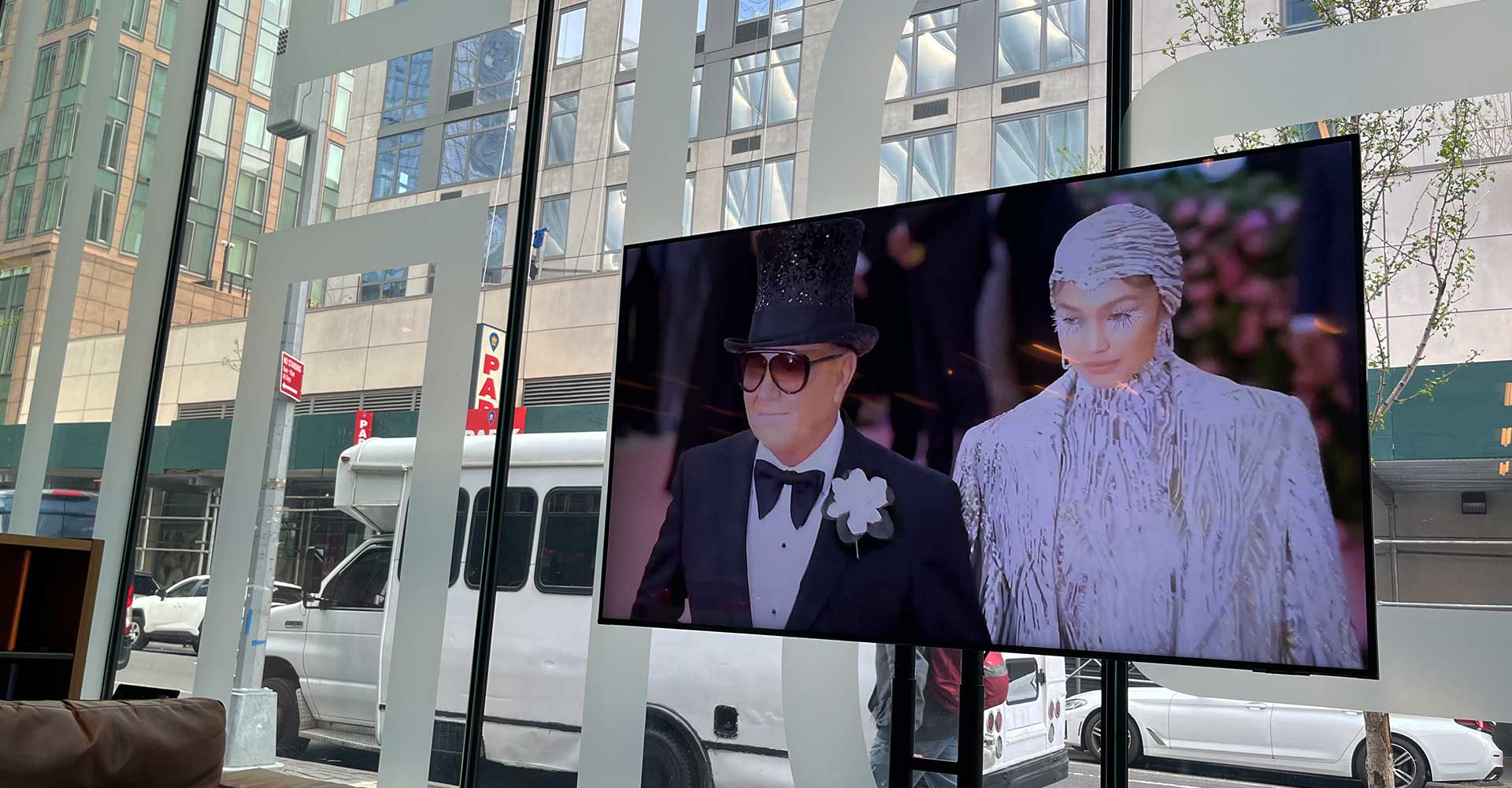
Executing large touring campaigns for Fortune 500 clients, often blending creative vision with complex logistics. Our team partnered with Condé Nast to produce the 2022 NewFront, delivering broadcast-quality live content for one of the media industry’s most prominent advertising showcases.
In each case, the goal is the same: deliver a consistent, high-quality experience to viewers, no matter where they are.
How Event Broadcasting Works
Behind every live broadcast is a simple workflow: capture, production, and distribution.
- Capture – Cameras, microphones, and on-site equipment capture the raw video and audio of the event. On-site crews ensure every angle, sound source, and moment is captured cleanly, with signals sent from the venue to the production team through dedicated transmission paths.
- Production – Inside a control room or mobile unit, the production team switches between camera feeds, audio, graphics, and replay in real time. Engineers monitor signal flow, routing, comms, and redundancy to keep everything stable, while directors shape the story by deciding what viewers see, hear, and experience. The result is a polished, broadcast-ready feed.
- Distribution – The final feed is sent to a network operations center (NOC) or master control for quality control and format verification. From there, it’s distributed to broadcast networks, streaming platforms, social channels, and in-venue displays.
Redundant pathways and constant monitoring ensure the signal stays live and stable for viewers everywhere.
The Growing Importance of Event Broadcasting
Live video has become a core part of how organizations communicate, not just an add-on.
- Rise of Remote Audiences – Audiences are no longer limited to those in the room. People are watching live events from home, at work, and on the go, making hybrid and virtual participation the standard.
- Demand for More Content – Organizations are producing more live content than ever to meet audience expectations across streaming platforms and social channels. The U.S. live streaming market is expected to grow from $87.55 billion in 2023 to $345.13 billion by 2030.
- Business & Brand Impact – Live video has become a key driver of engagement, visibility, and revenue. A high-quality broadcast doesn’t just extend reach; it strengthens how a brand shows up to its audience.
These shifts have made event broadcasting an essential tool for organizations that need to communicate reliably, consistently, and at scale.
Partner With BMG For Your Next Event
BMG supports every stage of event broadcasting, from on-site capture to centralized production and global distribution.
If you’re planning a live event and need it to perform at a broadcast level, explore our Live Production services.

Andrew Ryback is the Executive Vice President of Production. He brings over 17 years of experience in production management across live events, entertainment, and on-location shoots. He has managed production logistics for high-profile events, including The Emmys, The Oscars, TIFF, SXSW, Comic-Con, New York Fashion Week, Sundance, and both national political conventions. At BMG, he oversees complex productions from crew and equipment coordination to budgeting, permitting, and on-site execution.
About Andrew Ryback


Leave a Reply