Creating a dynamic broadcast production facility is changing how live content is produced and delivered.
The traditional broadcast model is built around a fixed idea: bring the production facility to the story.
That could mean building a permanent studio, deploying an outside broadcast truck, or assembling a large production compound at every event.
As organizations produce more content across more locations, that approach can become costly, complex, and difficult to scale.
Broadcast Management Group (BMG) offers a different model: the dynamic broadcast production facility.
Rather than moving an entire production operation to every location, BMG centralizes core production in a fully private custom broadcast cloud infrastructure operated 24/7 from its global Network Operations Center (NOC) in Washington, D.C. Cameras and capture crews go wherever the story happens.
Production stays centralized.
The result is a broadcast facility that can adapt with the production, whether that is a six-event sports season, a live news contribution, a corporate broadcast, or a 24/7 channel.
The facility isn’t a place.
It’s a network.
Cameras deploy to the story, production runs in the NOC, and broadcast-grade content is delivered through one connected infrastructure.
The NOC Is the Facility
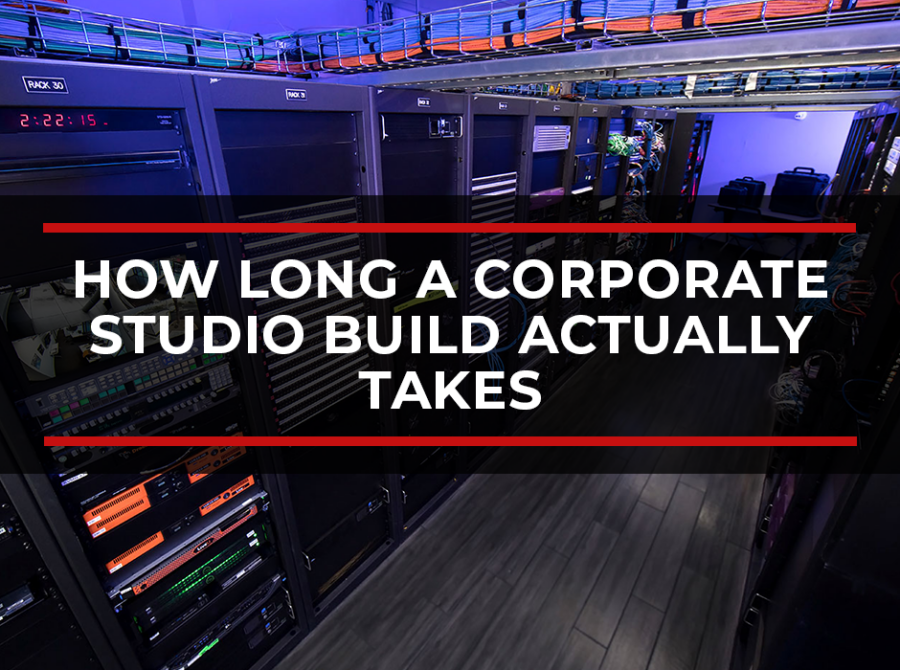
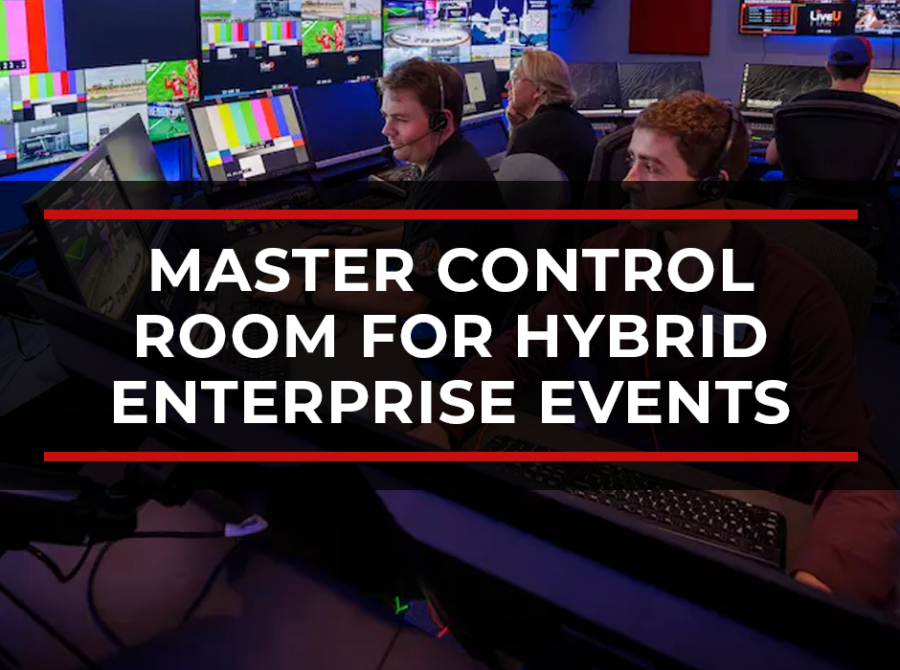
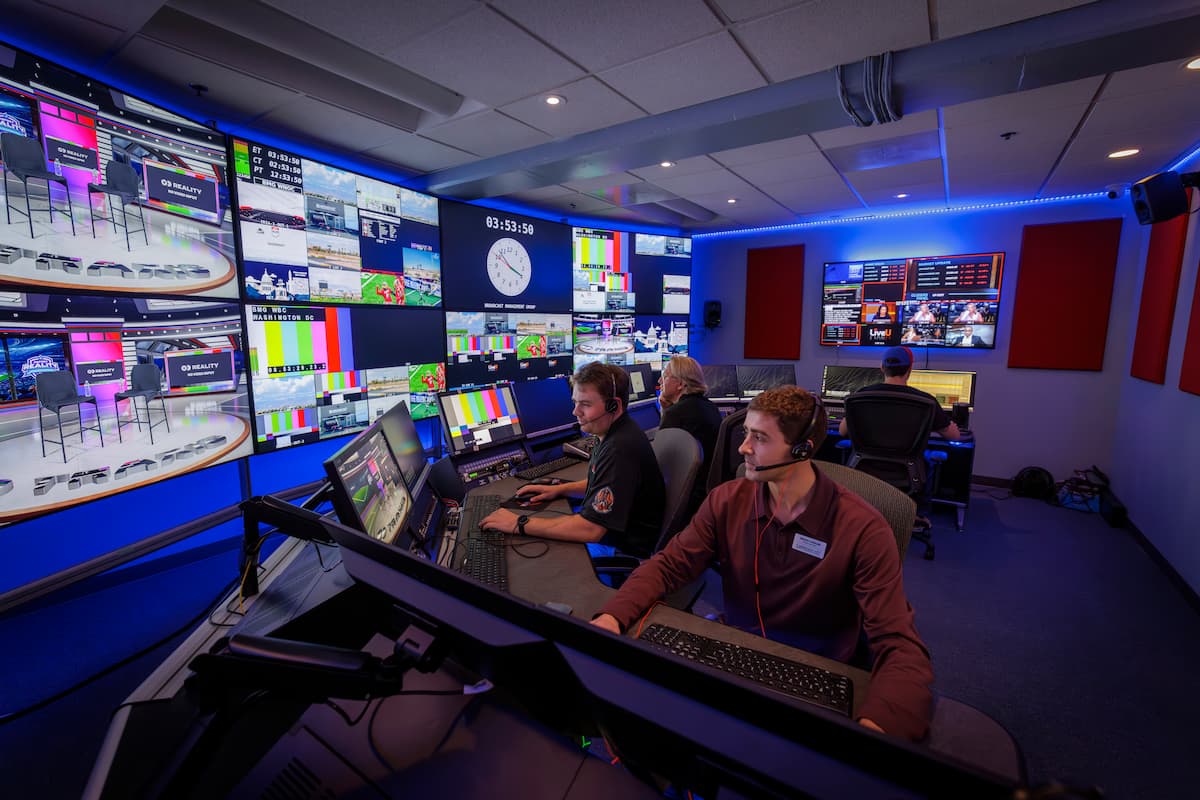
At the center of BMG’s dynamic production model is its 24/7 Network Operations Center (NOC).
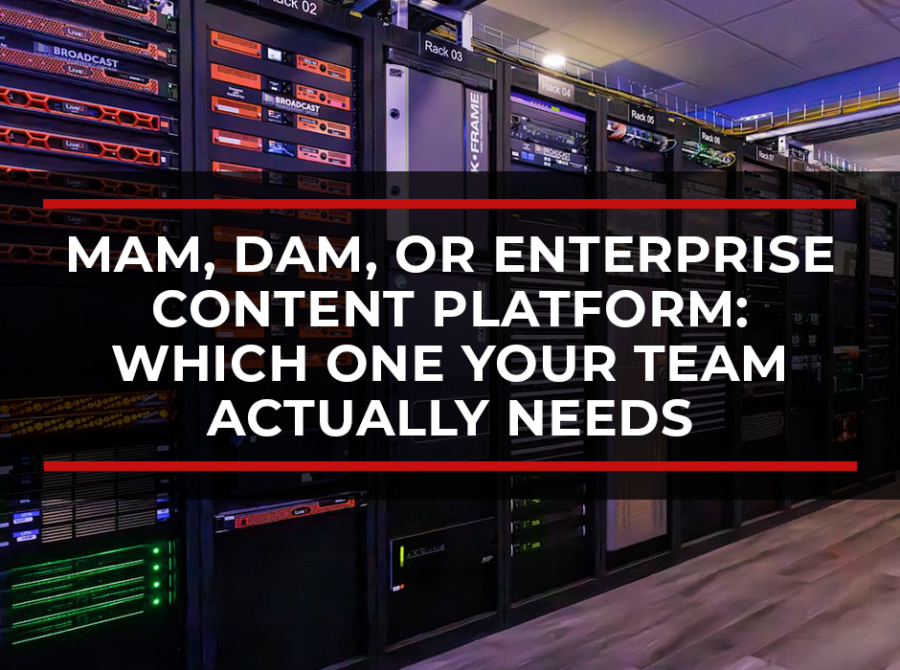
The NOC serves as a centralized production facility where BMG manages video switching, graphics, audio, transmission, media asset management, real-time editing, and multi-channel playout.
Rather than renting a room for a single production, clients connect to a broader production ecosystem that can scale to the needs of their show.
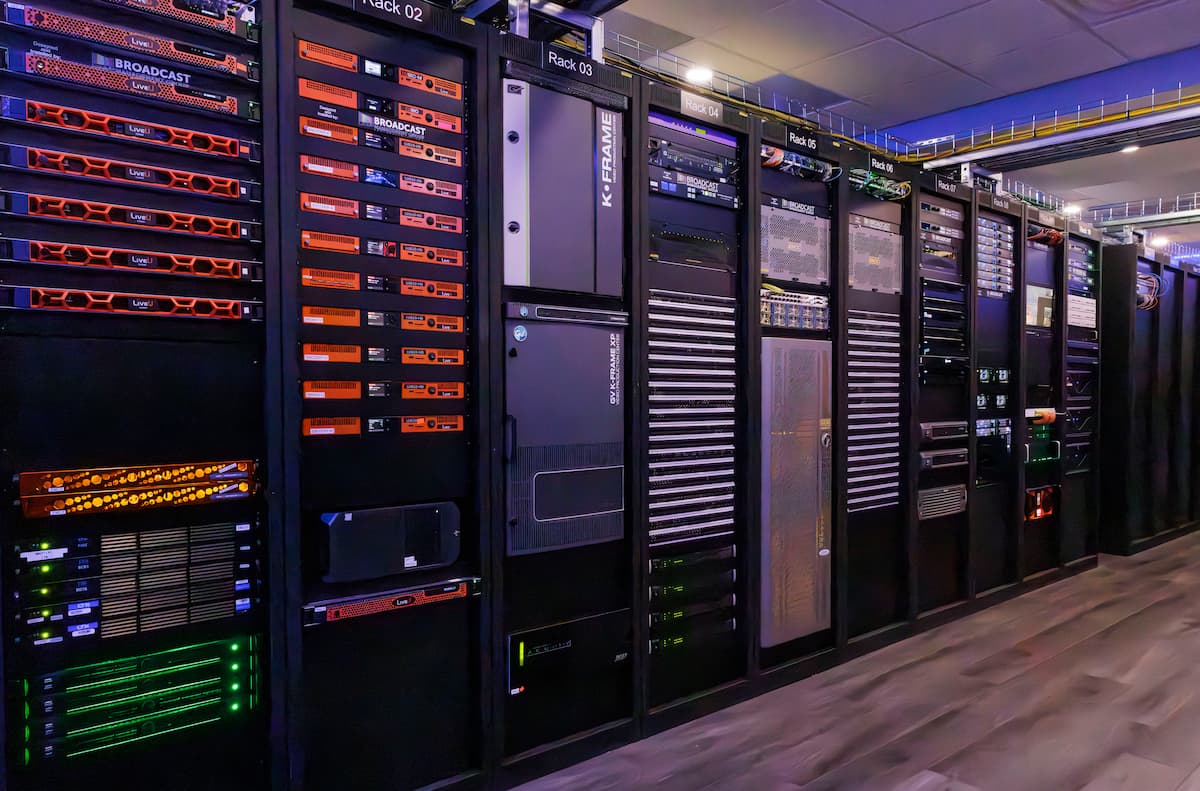
BMG’s locations across Washington, D.C., New York, Chicago, Los Angeles, and Las Vegas, with Toronto coming soon, are connected through its private cloud infrastructure, along with connected client facilities.
This allows live feeds and media from multiple locations to move through the same production backbone while remaining under centralized operational oversight.
What the NOC Delivers
- Live production: Centralized switching, graphics, and audio for multi-camera productions using fiber and VOIP connections to BMG’s NOC.
- REMI and remote contribution: Camera and field equipment connect back to centralized production using Fiber, VOIP, or bonded cellular with satellite redundancy.
- Media asset management: Centralized media workflows allow content to be organized, accessed, and managed throughout production.
- Real-time editing: Editors can work with growing files while an event is still live.
- Channel playout: 24/7 multi-channel playout supports linear and FAST programming.
- Redundancy and monitoring: The NOC provides continuous oversight of connected production operations.
- Studio production: BMG’s infrastructure supports connected studios in multiple markets and client facilities.
Why Dynamic Beats Fixed
The dynamic model changes the economics and logistics of live production.
Instead of moving a complete production facility to every venue, organizations can deploy cameras and a smaller capture crew while keeping core production centralized.
This can mean:
- A smaller on-site footprint with less equipment and fewer personnel required at the venue. This is also a lot more environmentally friendly.
- Greater flexibility to move production from one location to the next.
- Faster deployment by provisioning production from an existing infrastructure.
- More efficient infrastructure by centralizing production, transmission, media management, and playout.
- Faster turnaround through centralized media management and real-time editing.
| Dimension | Traditional facility or OB truck | BMG dynamic facility |
|---|---|---|
| Footprint on site | Full production compound, satellite trucks, and crew at every venue. | Cameras and a minimal capture crew. Production runs in the NOC. |
| Connectivity/power | Fiber build or satellite trucks on location. Large redundant generators | Fiber, VOIP or bonded cellular plus satellite redundancy. Often can use house power, but if a generator is needed, it is much smaller, using a lot less fuel |
| Cost model | Capital-heavy. You pay for capacity whether you use it or not, plus huge travel costs | Scaled to the show. You provision what the production needs, when it needs it. Up to a 60% reduction in travel cost. |
| Speed to deploy | Weeks of setup and teardown per event. | Rapid pop-up provisioning from an existing backbone. |
| Mobility | Hard to move across events in a short timeframe. | Cameras move to the next venue. The facility follows in the cloud. |
| Facilities | Large truck compound and personnel footprint, and then all Master Control, Channel Playout, media asset management all off-site at one or more providers | Smaller trucks and people footprint on location and full ecosystem of control rooms, audio rooms, channel Playout, transmissions, and media asset management all centralized |
| Redundancy | Dependent on what is on the truck | By leveraging the BMG NOC, you have access to multiple audio and video control rooms, graphic machines, and playback machines. |
| Turnaround | Edit after ingesting, often after the event ends. | Real-time editing from growing files while the event is live. |
What Can a Dynamic Broadcast Facility Produce?
The model can support a wide range of content, including:
Live Sports: REMI-based multi-camera productions with centralized production.
Pop-Up Channels: Linear and FAST channels provisioned for events, seasons, or specific programming needs.
News: Remote contribution feeds and live segments delivered from the field to centralized production.
Entertainment: Studio, interview, and talk formats supported by connected production infrastructure.
Corporate Broadcasts: Town halls, product launches, investor communications, and multi-day events produced without a large on-site production compound.
Post-Production: Remote editing, graphics, and creative services integrated into the broader production workflow.
The Pro Tour: A Dynamic Production Model in Action
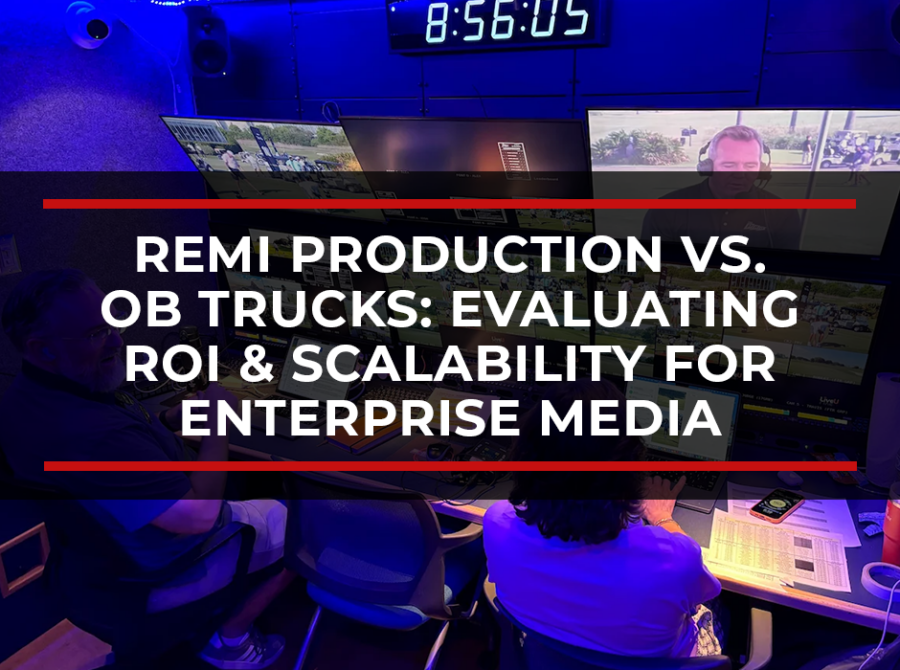
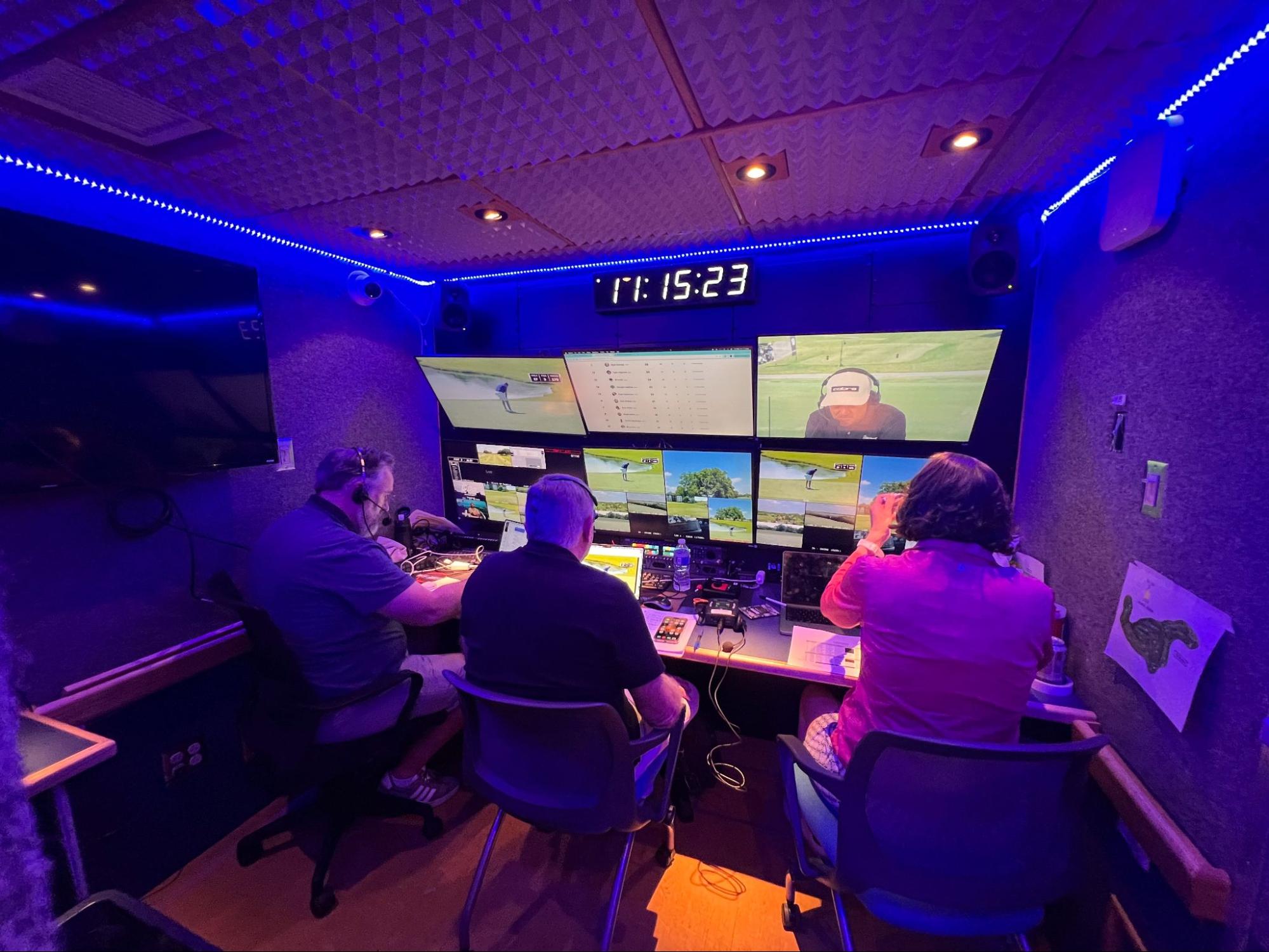
BMG put this model into practice with the Pro Tour golf series, producing six live tournaments featuring current and former professional athletes across multiple U.S. venues.
Instead of deploying a traditional production compound at every golf course, BMG centralized production in its NOC.
Switching, graphics, audio, transmission, media asset management, and multi-channel playout were all managed centrally.
In the field, BMG deployed a smaller capture footprint supported by a REMI workflow.
Cameras and drones transmitted live feeds back to the NOC using LiveU IQ, with Starlink providing additional connectivity redundancy.
The approach allowed BMG to repeat the same production model across multiple venues while reducing the need for extensive on-site infrastructure.
The Pro Tour demonstrates the potential of a dynamic production facility:
- Repeatable: One production model across six tournaments and multiple venues.
- Scalable: Production resources can be provisioned around the needs of the event.
- Efficient: Core production operations remain centralized.
- Resilient: Multiple connectivity options help protect live workflows.
- Integrated: Production, media management, editing, transmission, and playout operate within one ecosystem.
Why BMG?
What differentiates BMG is the combination of a custom broadcast private cloud infrastructure, broadcast operations, REMI production, media management, channel playout, and creative production services within one integrated operating model.
One Private Cloud
BMG’s fully redundant private cloud infrastructure is operated 24/7 from its NOC and connects production resources across multiple cities and client facilities.
Integrated Services
Consulting, system design, mobile production, REMI workflows, media asset management, editing, channel playout, and creative services can all be managed through one connected ecosystem.
Broadcast Expertise
BMG brings decades of broadcast production and operational experience to the technology, infrastructure, and workflows required to deliver complex live content.
The New Model for Broadcast and Enterprise Video Production
Cameras can move. Events can move. Your production infrastructure doesn’t have to.
BMG’s dynamic enterprise broadcast production model combines distributed capture with centralized production infrastructure, giving organizations the flexibility to produce live content from virtually anywhere without rebuilding the production facility for every event.
Whether you’re producing a live show, launching a channel, covering a sports season, or scaling a video broadcast operation, BMG can help you design and execute a smarter, more scalable production workflow.
Connect with BMG about building a dynamic enterprise broadcast production model designed to move with your organization.
Todd Mason is the Chief Executive Officer of Broadcast Management Group (BMG), a broadcast infrastructure and media operations company helping define the next generation of television production, live media operations, and broadcast network infrastructure in North America.
About Todd Mason