For decades, the 30-second television commercial was the foundation of enterprise marketing and communications.
Organizations invested heavily in buying airtime, hoping to capture viewers’ attention for just a few moments during premium programming.
Today, that model is changing.
Consumers have more viewing options than ever before and spend much of their time on streaming platforms, where they expect content to be relevant, engaging, and available on demand.
At the same time, enterprise organizations are now producing more content, from executive town halls and product launches to webinars, live events, customer stories, and educational series.
As a result, many chief marketing officers are shifting their investment away from one-time advertising campaigns and toward owned streaming channels like OTT channels that allow them to build ongoing relationships with their audiences.
In implementing these channels, brands are creating destinations where customers, partners, employees, and prospects can engage with content year-round.
From Advertising Campaigns to Content Ecosystems
Traditional advertising is built around campaigns.
A commercial airs for a limited period, reaches its intended audience, and is eventually replaced by the next campaign.
Owned streaming channels operate differently.
Every new piece of content can be stored in media asset management and become part of a library that continues to generate value long after the original broadcast ends.
A live executive event can then become an on-demand webcast, social media clips, thought leadership content, sales enablement material, or training resources.
This allows organizations to create media ecosystems in which a single production supports multiple business goals and deliverables.
In doing this, marketing teams can maximize the return on every production while maintaining a consistent brand presence throughout the year.

Why CMOs Want Greater Control
One of the biggest advantages of an owned streaming strategy is control.
When brands rely exclusively on television networks or third-party social platforms, they are subject to changing algorithms, advertising costs, and distribution policies.
While these platforms remain valuable parts of a marketing strategy, they are owned by other companies.
An owned streaming channel gives organizations control over how content is presented, when it is available, and where it is distributed.
It also provides valuable audience insights that help marketing teams understand what viewers are actually watching and engaging with.
For enterprise organizations, this means content becomes a long-term business asset rather than a short-lived marketing expense.
Brands Are Becoming Media Companies
Many of today’s most successful organizations think like publishers.
These organizations need to understand what content their audience wants to watch regularly and adapt to the rise of brand-owned media.
Weekly interview series, behind-the-scenes programming, executive discussions, educational content, product demonstrations, and live events all help keep audiences engaged.
This strategy reflects a shift in marketing.
Modern audiences are more likely to spend time with brands that provide useful or entertaining content than those that simply interrupt them with advertisements.
Demonstration on the Power of Branded Streaming
Enterprise brands don’t need a 24/7 OTT channel to benefit from an owned media strategy.
Many are creating high-impact live productions that become destination experiences audiences actively choose to watch.
Taco Bell provides a strong example of this approach, generating more than 7.1 billion media impressions through a 60-minute branded live broadcast.
Broadcast Management Group (BMG) supported the production with broadcast-quality live production services and multi-platform distribution, transforming a single event into a library of content that could be repurposed across social media, marketing campaigns, and future promotions.
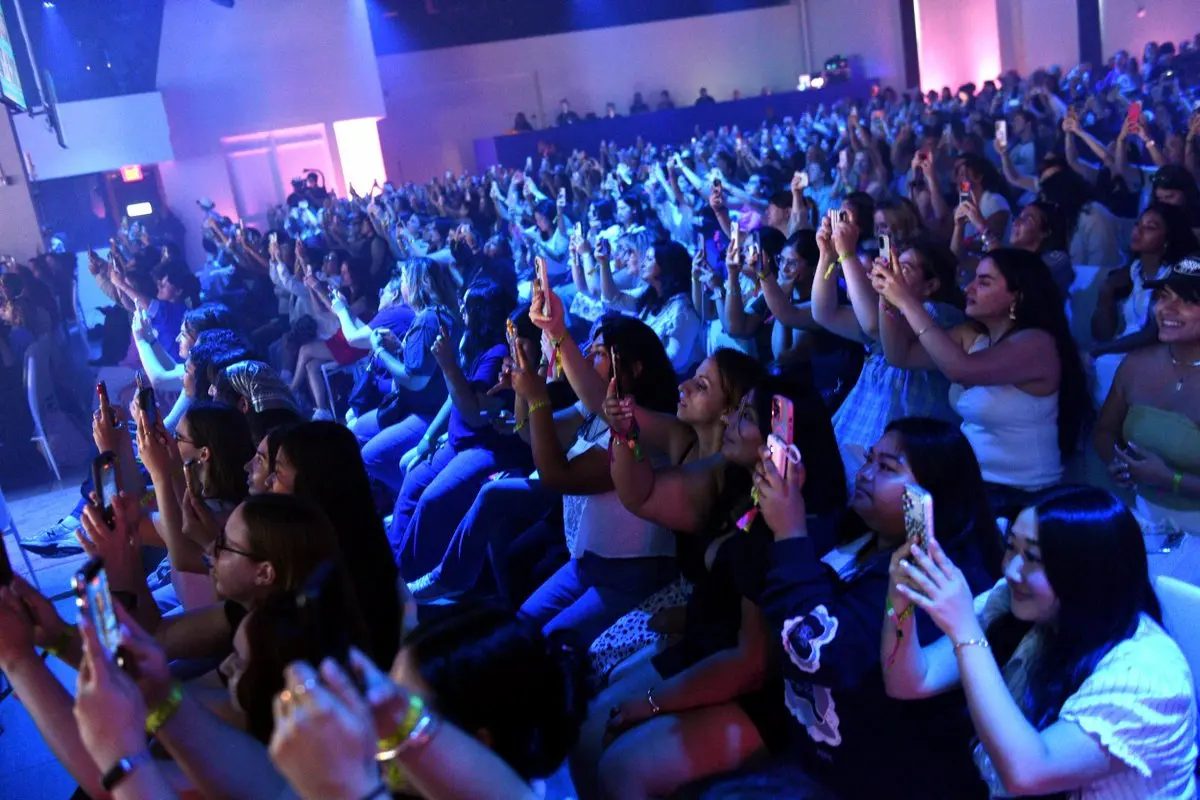
Similarly, BMG produced the 7.5-hour Amazon Prime Video Obsessed Fest live stream, demonstrating how immersive, long-form programming can engage audiences far longer than a traditional 30-second commercial ever could.
Whether partnering with a celebrity or recording artist, streaming a movie premiere, launching a new product, or producing a major live event, these experiences allow brands to tell richer stories, encourage real-time audience participation, and create lasting audience connections.
Rather than interrupting consumers with advertising, organizations are creating content people actively seek out, while generating valuable audience insights and evergreen content that continues delivering value long after the live event ends.
Building the Infrastructure Behind Owned Media
Launching a streaming channel requires producing great content and reliable infrastructure to manage, distribute, and preserve that content over time.
Enterprise organizations need workflows that can support live broadcasts, on-demand libraries, content storage, channel playout, media management, and distribution across websites, mobile applications, OTT platforms, FAST channels, and internal communications networks.
Without the right operational framework, even high-quality productions can become difficult to manage and nearly impossible to scale.
How Enterprise Teams Can Implement This Architecture
Broadcast Management Group helps organizations build and operate the infrastructure behind owned media channels.
By combining live production, cloud-based workflows, media asset management, channel playout, master control, and 24/7 Network Operations Center (NOC) support, BMG enables enterprise clients to manage the complete lifecycle of their content from capture through distribution.
With this workflow, organizations can create centralized workflows that make content easier to organize, repurpose, and deliver across multiple platforms.
This allows marketing teams to focus on creating compelling content while relying on a proven operational framework to ensure every broadcast reaches its intended audience.

Steven Cotliar is Executive Vice President of Growth and Marketing at BMG. He brings more than 25 years of experience across digital marketing, advertising, entertainment, live streaming, and business development. His background includes work with major studios, brands, agencies, and platforms, including Twentieth Century Fox, NFL, Disney, Tesla Motors, FX Networks, Paramount, Lionsgate, Condé Nast, Target, Sundance Film Festival, and The Paley Center. In his current role, Steven leads growth and business development initiatives that help expand BMG’s client relationships and market presence.
About Steven Cotliar