The Future of Enterprise Communication Is Moving Beyond Advertising
Enterprise video communication is undergoing a fundamental transformation.
Instead of relying primarily on television networks, publishers, social media platforms, and other third-party channels to distribute their message, Fortune 500 companies are investing in media platforms they own and control.
This shift is being driven by changing audience expectations and the growing demand for continuous, direct engagement.
Customers, employees, investors, and stakeholders expect live experiences, on-demand programming, educational content, executive updates, and interactive platforms available whenever and wherever they choose to engage instead of a one-time event or occasional campaign.
To meet these expectations, organizations are building proprietary streaming channels, enterprise broadcast networks, mobile applications, and integrated content ecosystems that allow them to create, distribute, and manage content at scale.
The result is a new model of corporate communication: owned media powered by broadcast-grade infrastructure.
From Renting Attention to Owning the Audience Relationship
Traditional advertising is built around rented attention.
A company purchases access to an audience generated by another platform, whether through television advertising, sponsorships, paid social campaigns, or digital media placements.
These channels remain valuable, but the relationship belongs to the platform.
Companies often have limited visibility into:
- How audiences engage beyond basic impressions
- What content keeps viewers returning
- Where audiences drop off
- Which topics generate the most interest
- How viewers interact with the brand after the initial exposure
A product launch may generate millions of impressions, but once the campaign ends, the ability to continue that relationship often disappears.
Owned media changes that equation.
By creating dedicated platforms, organizations can build direct relationships with their audiences and maintain control over how their stories are told, distributed, and experienced.
Macro-Level Industry Trend: Quantifying the Shift
| Report Title | Organization | Key Statistic / Insight | Strategic Takeaway | URL |
|---|---|---|---|---|
| 2025 Digital Video Ad Spend & Strategy Full Report | IAB | Digital video ad spend to reach $72B in 2025 | Shift from TV/rented to digital/owned video ecosystems | Link |
| First-party data and omnichannel strategies drive retail media’s future | eMarketer | First-party data is the backbone of competitive strategies | Brands prioritize owned data ecosystems for targeting and measurement | Link |
| Connected TV continues to redefine TV advertising | eMarketer | Streaming = 43.8% of US TV time (Mar 2025) | Budgets shift from linear TV to CTV/streaming (owned/controlled) | Link |
| US Edition: Global Entertainment & Media Outlook 2025-2029 | PwC | US OTT to grow from $61.9B (2024) to $112.7B (2029) | OTT/streaming growth signals long-term shift to owned platforms | Link |
Strategic Takeaway:
The macro trend is clear: enterprise brands are moving budgets and strategy from rented to owned media ecosystems, driven by the need for data ownership, improved ROI, direct audience relationships, and resilience against privacy and platform changes.
Real-World Examples: Companies Becoming Media Companies
The shift toward owned media is already happening across industries.
Companies are recognizing that the ability to create and distribute content directly to their audiences provides long-term strategic value beyond traditional advertising.
Financial Services: Charles Schwab Network
The financial industry provides one example of this evolution.
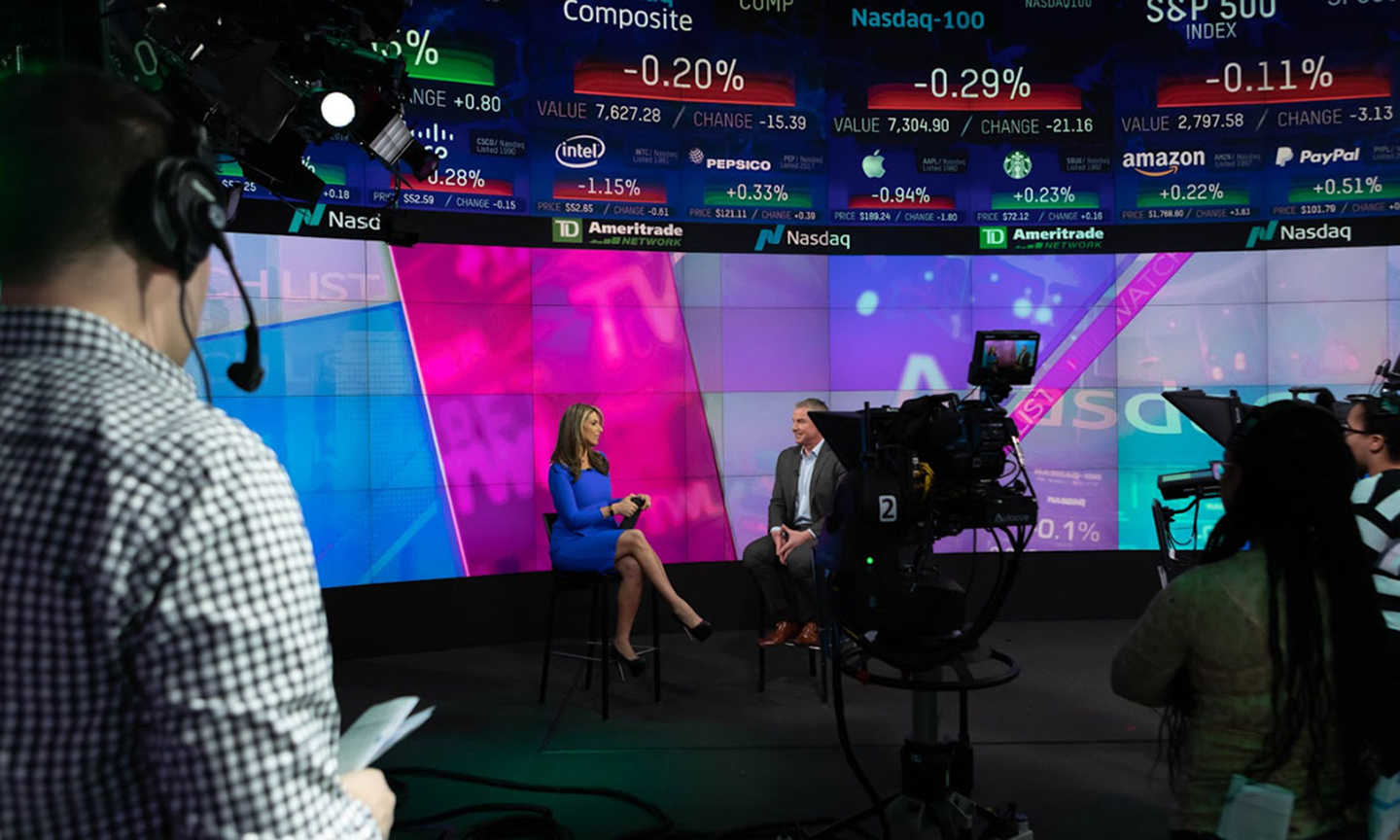
Charles Schwab has invested in its own financial news and market content platform through Schwab Network, creating a destination where investors can access live market coverage, analysis, and educational programming.
Schwab created a dedicated content ecosystem aligned with its brand and audience, rather than relying solely on external financial media outlets to communicate with investors.
This allows the company to:
- Provide ongoing financial education
- Strengthen relationships with investors
- Create a consistent brand experience
- Better understand audience interests and engagement patterns
The platform becomes more than a marketing channel; it becomes an ongoing resource where customers return for trusted information.
Sports: Leagues and Teams Building Direct Fan Relationships
Sports organizations are also investing heavily in owned media strategies.
Professional leagues and teams are developing their own digital platforms, mobile applications, and streaming destinations to create direct connections with fans.
Examples include league platforms such as the NFL app and the NBA app, where fans can access live games, highlights, interviews, behind-the-scenes content, and personalized experiences.
Historically, leagues relied heavily on television networks and broadcasters to reach audiences.
While those partnerships remain important, owned platforms allow leagues to develop direct relationships with fans and better understand:
- Which content fans watch most
- How long they engage
- Which teams or players drive interest
- What experiences encourage repeat usage
That data helps live sports production organizations create more personalized content, improve fan engagement, and build stronger long-term loyalty.
Entertainment and Brand Storytelling: Amazon Prime Video
Entertainment companies are also demonstrating the value of owned media ecosystems.
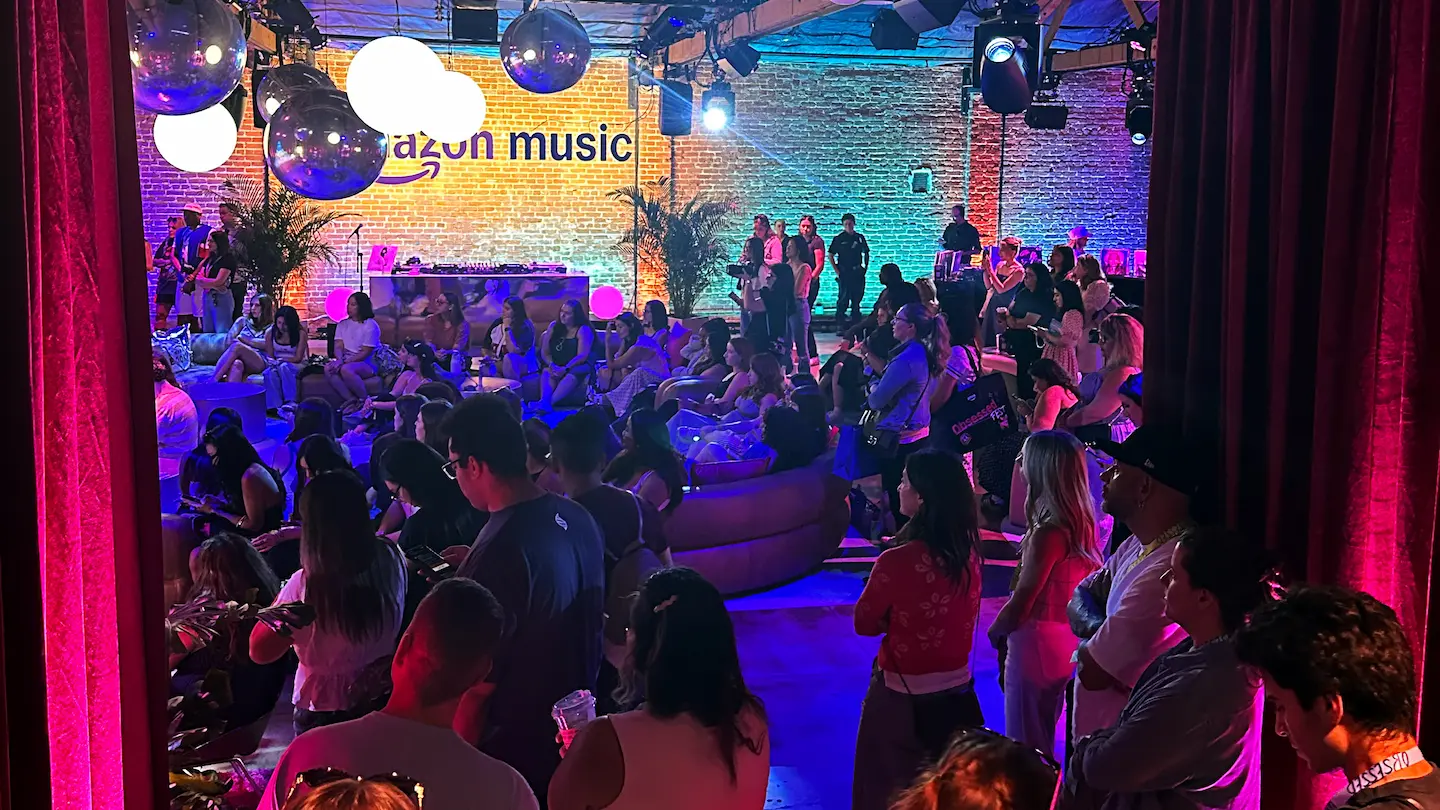
Amazon has built Prime Video into more than a streaming service. It serves as a destination where audiences engage with original programming, live entertainment, sports, and branded event experiences.
Instead of purchasing advertising within someone else’s ecosystem, organizations are looking to create destinations where audiences actively choose to return.
The same principle applies to enterprise communication: when companies own the platform, they own the relationship.
Why Enterprises Are Becoming Media Companies
The modern enterprise is producing more content than ever before.
Executive communications, investor updates, customer education, product demonstrations, industry events, employee town halls, and brand storytelling have all become essential communication channels.
The new challenge is building the infrastructure required to consistently produce, distribute, measure, and improve that content.
This is why companies are investing in broadcast infrastructure traditionally associated with television networks.
Enterprise media operations now require:
- Professional live production capabilities
- Secure content distribution
- Cloud-based workflows
- Multi-platform delivery
- Media Asset Management
- Scalable infrastructure for global audiences
The organizations that succeed will be those that build the operational foundation needed to deliver valuable content consistently.
The Data Advantage of Owned Media
One of the biggest advantages of owned media is the ability to understand the audience directly.
When organizations control their distribution channels, they gain access to deeper insights into viewer behavior, including:
- Watch time and dwell time
- Content preferences
- Engagement patterns
- Viewer journeys
- Most valuable content topics
- Audience retention
This information creates a powerful cycle.
Better audience insights allow organizations to create more relevant content. More relevant content increases engagement. Increased engagement strengthens trust and brand authority.
Over time, owned media helps organizations remain top of mind because they are no longer competing only for attention—they are building ongoing relationships.
Why Managed Broadcast Services Are Critical for Enterprise Media
Most Fortune 500 companies want the ability to communicate like broadcasters.
However, building and maintaining a broadcast operation requires specialized expertise across production, engineering, distribution, and content management.
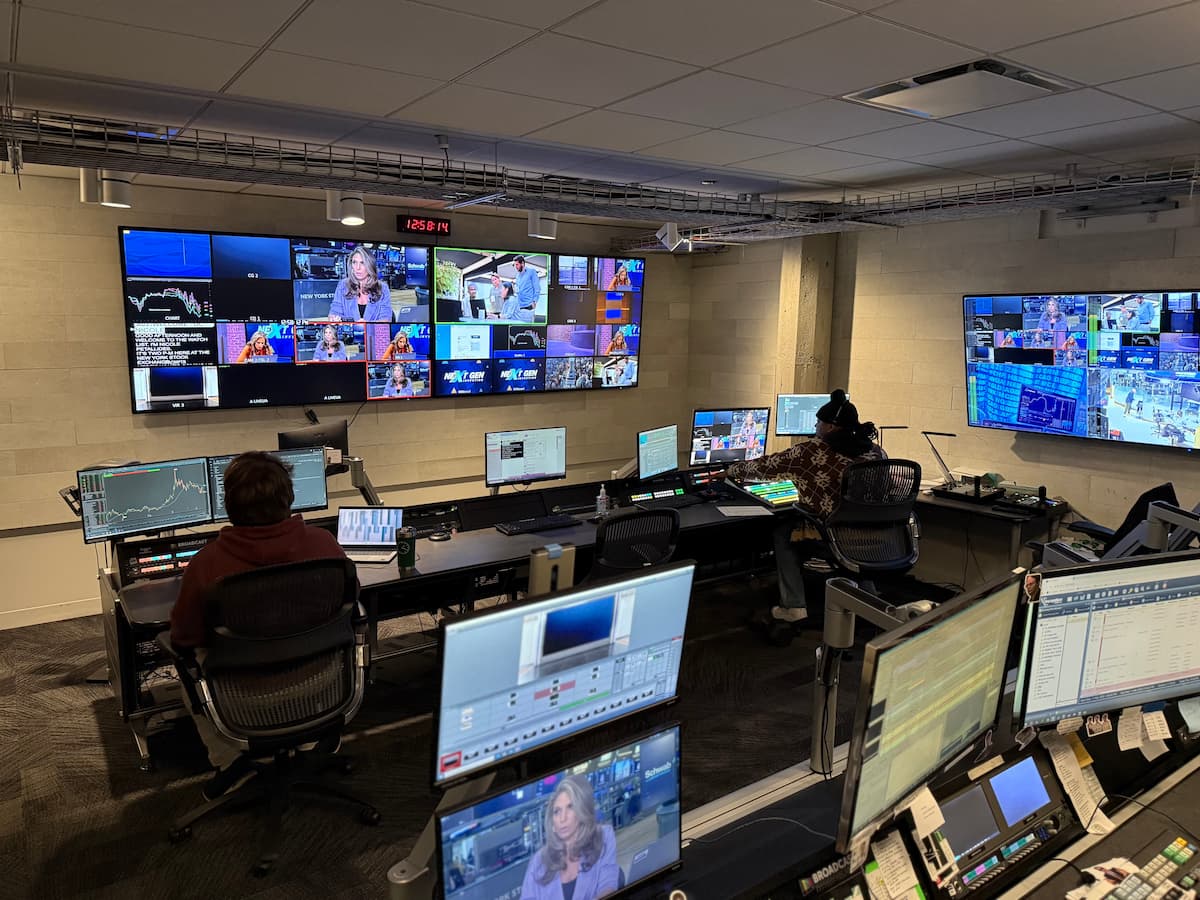
Managed broadcast service providers enable enterprises to create professional media operations without building an entire broadcast department internally.
These services can include:
- Live event production
- Cloud-based broadcast workflows
- Remote production operations
- Channel playout
- Media asset management
- Streaming distribution
- 24/7 network monitoring
By partnering with experienced broadcast teams like Broadcast Management Group, enterprises gain the infrastructure needed to scale owned media strategies while focusing on their core business.
Building the Infrastructure Behind Owned Media
Creating an owned media platform requires the infrastructure to produce, manage, distribute, and analyze content at scale.
Broadcast Management Group (BMG) helps enterprises build professional media operations through live production, cloud-based workflows, managed services, channel playout, and content management solutions.
As enterprises move from renting audience access to building direct audience relationships, BMG provides the broadcast infrastructure that makes owned media possible.
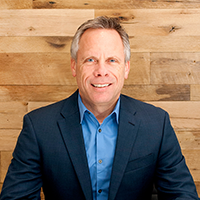
Todd Mason is the Chief Executive Officer of Broadcast Management Group (BMG), a broadcast infrastructure and media operations company helping define the next generation of television production, live media operations, and broadcast network infrastructure in North America.
About Todd Mason