Enterprise live communications have moved beyond traditional meetings, conference rooms, and internal messaging platforms.
Today, company-wide all-hands events rely on live streaming technology to connect employees across offices, remote locations, and time zones.
When executives communicate with a global workforce, employees expect the same level of reliability and quality they experience from broadcast events.
The stream must be secure, accessible, polished, and capable of delivering a consistent experience to thousands of viewers.
Successful enterprise live streaming for global town halls, executive announcements, or company-wide events requires a workflow that combines secure content delivery, network optimization, redundant infrastructure, and professional production standards.
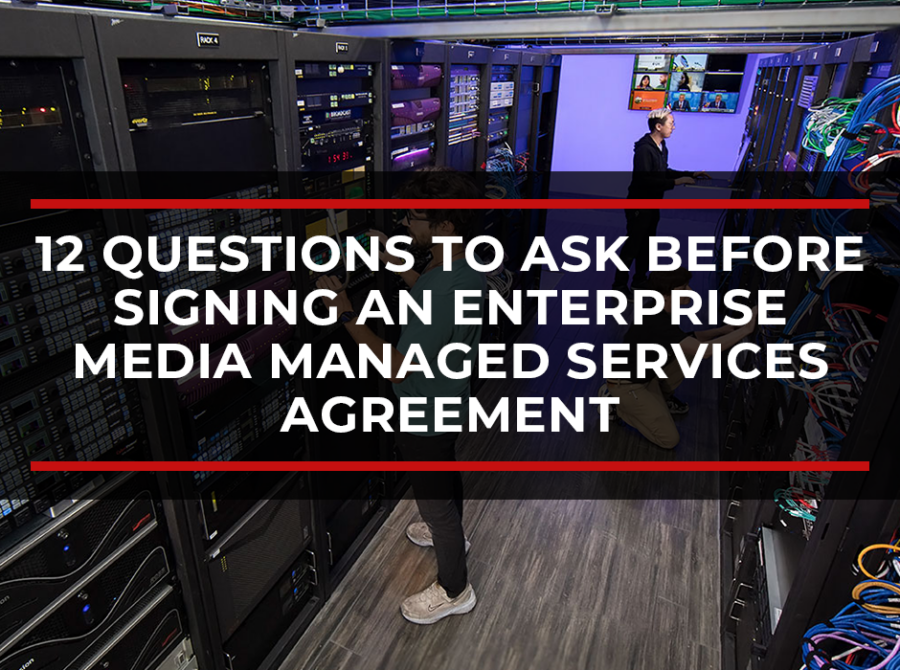
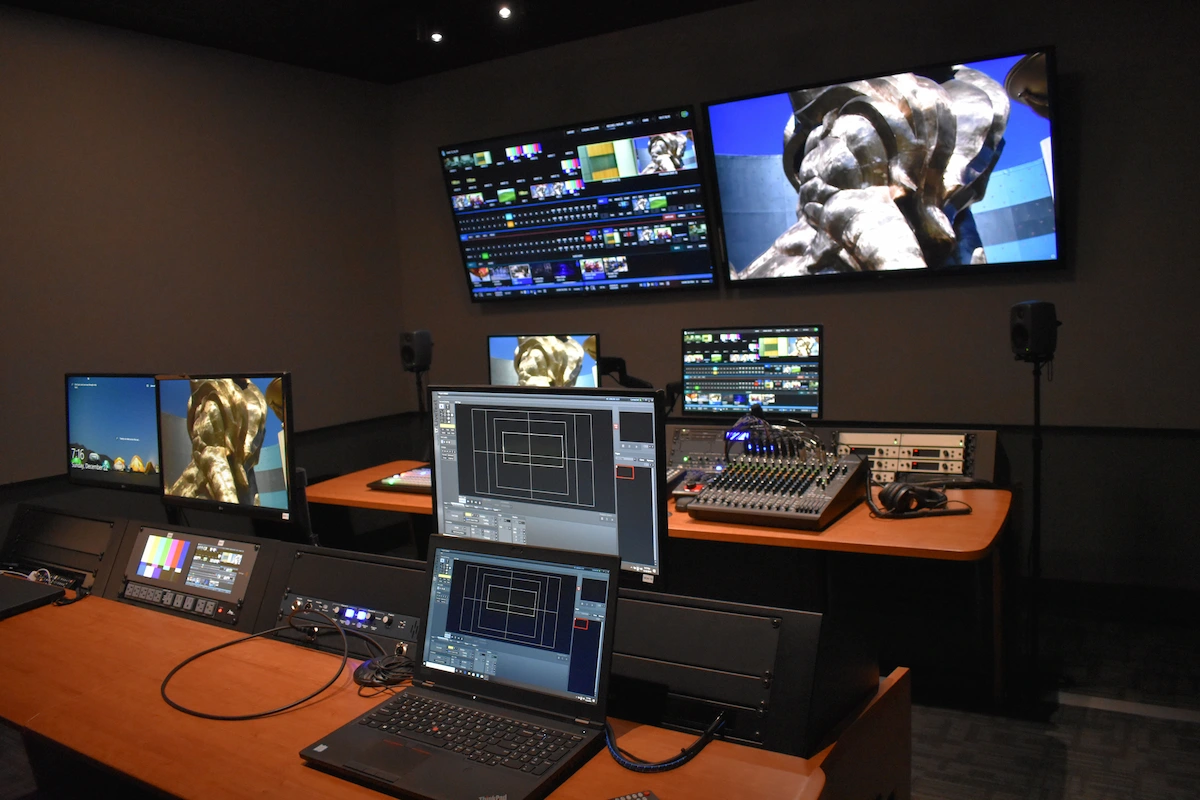
Broadcast Management Group partnered with a global hospitality brand to transform its corporate communications through the design, build, and operation of a scalable, multi-location video production ecosystem.
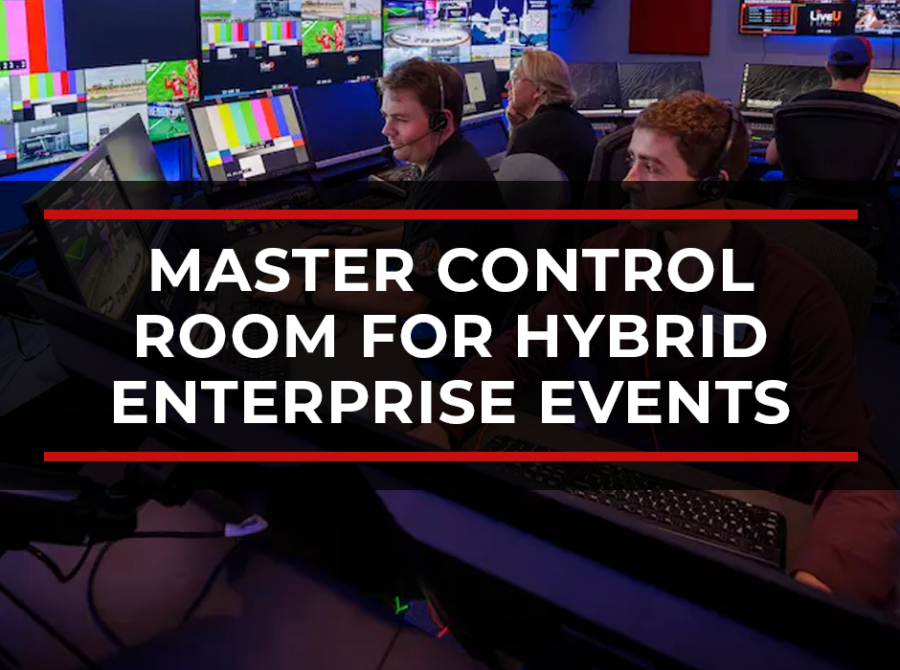
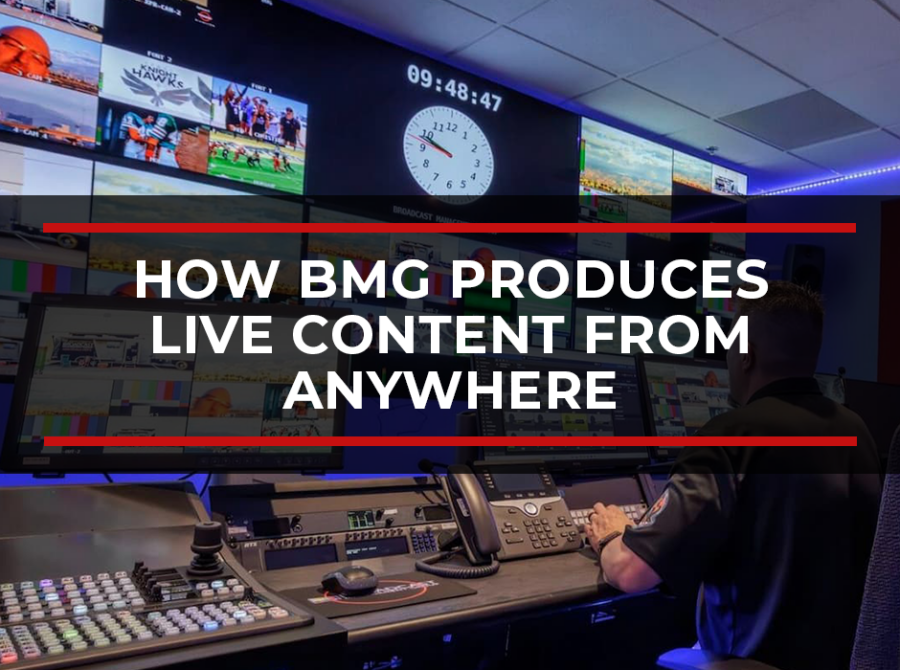
Starting with a dedicated studio and control room in McLean, Virginia, BMG provided end-to-end support including consulting, facility design, systems integration, staffing, and managed services.
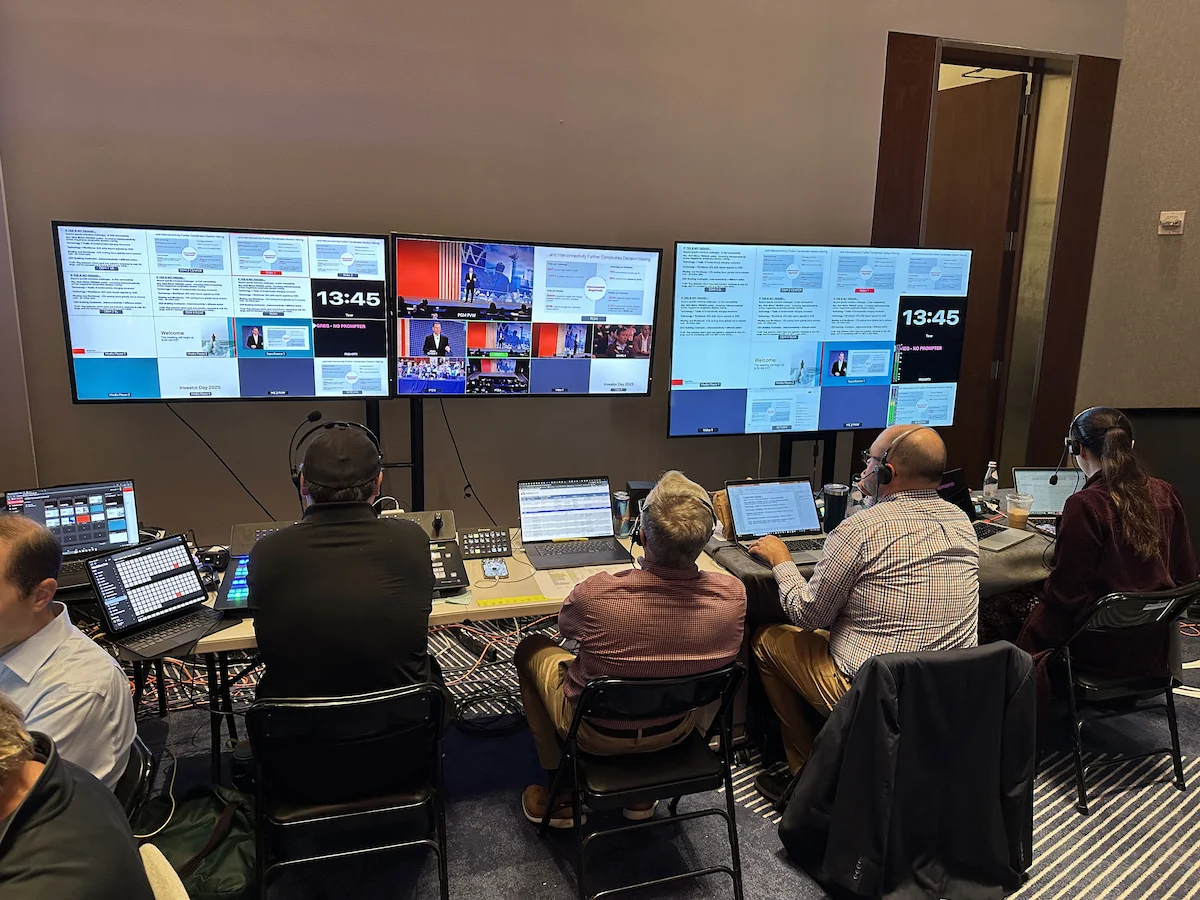
As the organization’s video needs expanded, BMG extended the production model to Memphis and Dallas, creating standardized workflows supported by portable production systems and centralized monitoring through BMG’s Network Operations Center.
The result is a flexible, enterprise-level production infrastructure that enables high-quality live streams, town halls, and internal communications across multiple locations while reducing operational complexity and improving scalability.
Step 1: Treat Live Streaming as a Communications Platform
Live streaming has become a critical channel for how organizations connect with employees.
Leadership messages, company updates, and major announcements require a communication platform that can support large audiences across locations and network environments.
An enterprise stream needs the same planning and technical discipline as a live production, combining secure infrastructure, optimized distribution, operational monitoring, and broadcast expertise.
By treating live streaming as a strategic communications platform, organizations can create reliable, engaging experiences that ensure every employee receives important messages.
Step 2: Build Security Into the Streaming Architecture
Executive communications often include sensitive information, including financial results, organizational updates, product strategies, and internal announcements.
Protecting these broadcasts requires security measures throughout the entire workflow.
Key security considerations include:
Implement identity-based access controls
Connect streaming services to identity providers to ensure that only authorized employees can access internal broadcasts. Permissions and corporate authentication systems help maintain control over who can view content.
Secure video transport
Use encrypted contribution and distribution protocols to protect video feeds as they move between production environments, cloud platforms, and delivery networks.
Protect cloud infrastructure
Cloud-based workflows should include controlled access policies, monitoring tools, compliance practices, and secure architecture designed for enterprise communications.
Monitor content access and performance
Visibility into viewer access, stream health, and operational performance helps organizations maintain security throughout the broadcast lifecycle.
Security must be designed into the foundation of the workflow.
Step 3: Solve Network Challenges With Distribution
One of the biggest challenges with global employee broadcasts is managing network demand.
Without optimization, thousands of employees accessing the live stream can strain corporate networks, affecting video quality and other business applications.
Instead of each employee pulling a stream from an external source, technology can distribute streams locally across offices, campuses, and regional networks.
Benefits include:
- Reduced corporate bandwidth consumption
- More reliable viewing experiences
- Consistent video quality across locations
- Improved scalability for large employee audiences
Step 4: Deliver Broadcast-Quality Production Experiences
Reliable technology connects employees, but production quality keeps them engaged.
A poorly produced executive broadcast can create distractions and reduce the message’s impact.
A professionally produced stream creates an experience that reflects the importance of the communication.
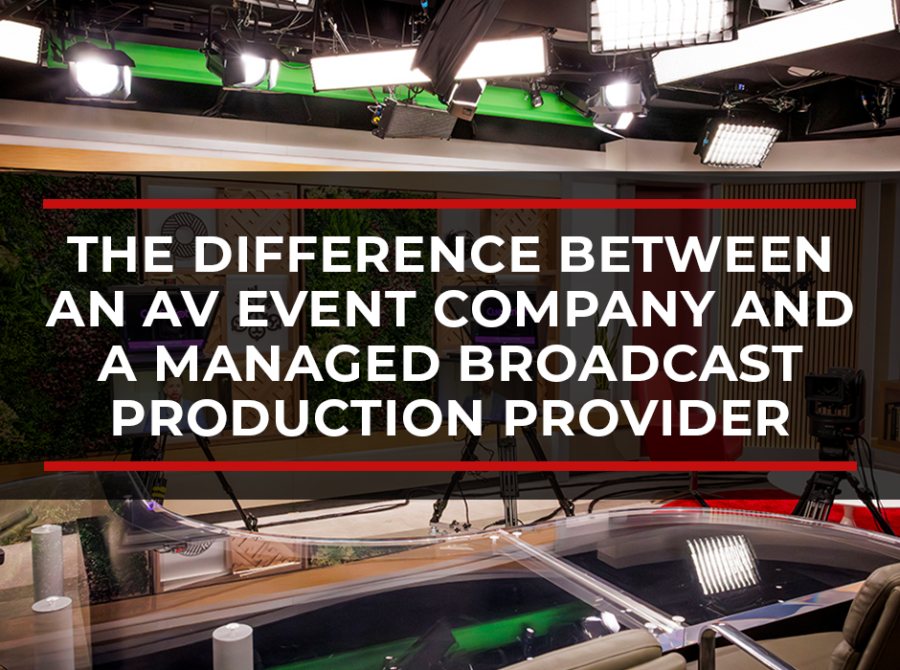
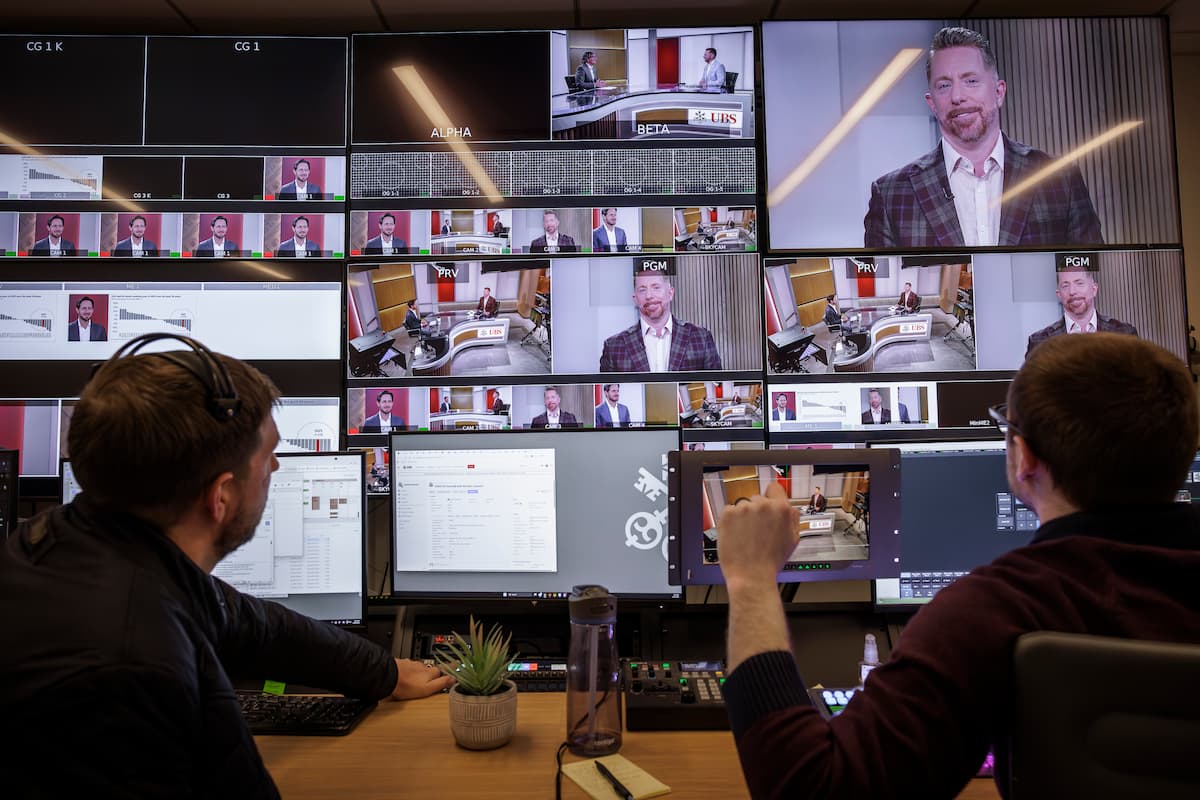
Enterprise broadcasts should incorporate professional production elements such as:
- Multi-camera coverage
- Executive interview environments
- Branded graphics and visual elements
- Presentation support
- Real-time switching between presenters and content
- Professional lighting and audio
The goal is to create a seamless experience in which employees focus on leadership’s message rather than technical distractions.
Step 5: Design Redundancy Into Every Layer
Company communications cannot depend on a single workflow or point of failure.
A reliable enterprise streaming operation requires backup systems throughout the production chain, channel playout & transmission services.
Create redundant encoding workflows
Backup encoders protect against hardware or software failures that could interrupt the broadcast.
Establish connectivity paths
Diverse internet connections, cellular backup solutions, and cloud failover options provide additional protection against network disruptions.
Monitor operations in real time
Technical teams should continuously monitor stream performance, network conditions, and viewer experience before and during the event.
Conduct full rehearsals and testing
Successful broadcasts are validated before launch. Presenter connections, graphics, playback systems, audience access, and backup workflows should all be tested in advance.
Step 6: Creating an Integrated Workflow
The most successful enterprise live streams are built through an integrated approach that combines operational planning, technological expertise, and creative execution.
Corporate communications teams define the message, audience, and employee experience, ensuring the broadcast aligns with organizational goals and effectively connects leadership with employees.
Creative teams transform corporate communication into an engaging viewer experience. Creative production services include production design, graphics, camera direction, lighting, and storytelling elements that help leadership messages connect with employees and reinforce the importance of the communication.
Operational execution ensures every element of the production is planned, coordinated, and executed seamlessly. From production staffing and technical rehearsals to event management and real-time monitoring, experienced teams help ensure the broadcast runs smoothly from preparation through delivery.
Technological teams provide the foundation for the enterprise streaming experience. Secure infrastructure, optimized workflows, cloud-enabled solutions, network management, and redundancy strategies work together to support high-quality broadcasts at any scale.
When these teams work together, organizations can create live communications experiences that are secure, scalable, and engaging.
Step 7: Create a Repeatable Enterprise Broadcast Workflow
A global town hall should not be treated as a one-time event. Organizations should develop a repeatable workflow that can support executive communications throughout the year.
A scalable enterprise streaming model should include:
- Secure access management
- Network optimization
- Redundant infrastructure
- Professional production workflows
- Real-time monitoring
- Post-event analytics and reporting
Rather than building a new workflow for every event, organizations can benefit from a dynamic enterprise broadcast environment that provides a consistent foundation for executive communications and live broadcasts.
BMG centralizes core production operations within its fully private custom broadcast cloud infrastructure, managed 24/7 from its global Network Operations Center (NOC) in Washington, D.C.
By integrating production technology, cloud-based workflows, operational oversight, and secure connectivity into a unified platform, organizations can streamline production, improve reliability, and scale communications as business needs evolve.
The Future of Enterprise Communications Is Broadcast-Driven
As organizations continue to operate across global offices, remote teams, and distributed workforces, live streaming has become a critical component of how leaders communicate and engage employees.
Delivering a successful event requires a complete broadcast strategy built around reliability, security, technology, and audience experience.
At BMG, we bring together the operational expertise, advanced technology, and creative production capabilities needed to deliver enterprise broadcasts at scale.
From secure cloud workflows and network optimization to professional production and real-time operational support, our integrated approach helps organizations create seamless communication experiences for employees worldwide.
Whether it is a global town hall, executive announcement, or company-wide event, BMG helps organizations transform internal communications into polished, reliable broadcasts that keep audiences connected and engaged.

Andrew Ryback is the Executive Vice President of Production. He brings over 17 years of experience in production management across live events, entertainment, and on-location shoots. He has managed production logistics for high-profile events, including The Emmys, The Oscars, TIFF, SXSW, Comic-Con, New York Fashion Week, Sundance, and both national political conventions. At BMG, he oversees complex productions from crew and equipment coordination to budgeting, permitting, and on-site execution.
About Andrew Ryback