Most venues treat live production as a cost of doing business with a truck, crew, and broadcast partner. The venues that are making money off of it are treating the same infrastructure as something they can resell in four different ways. The order they do it in matters as much as the moves themselves.
Lower the Floor First
REMI lowers the costs first before it changes anything else. By centralizing the crew and having a lean on-site footprint, a remote integration model produces the same broadcast-quality output at a lower marginal cost per event. That drop in cost is what makes games and events that never would have justified a full production truck possible.
None of this works if the venue side isn’t ready, though. REMI still depends on connectivity, power, and camera positions being right before the crew centralizes anything. This is the recurring failure point for venues that try to skip straight to the revenue conversation.
Virtual signage adds margin to events you already produce. Lowering the floor is what creates events that don’t currently exist to sell that margin against.
Own the Destination
A team or venue FAST channel, or a direct-to-consumer service, changes the entire relationship between a venue and its audience. Live coverage, archive footage, and studio content all live on a channel the venue sells against, instead of renting audience from a broadcaster and getting a fraction of the value back.
This requires:
- Playout
- Transmission
- MAM
- Compliance
- Someone operating it 24/7
This creates a long-term operating contract. It’s not a downside, but rather why it works. Everything else on this list produces revenue per event. This is the only move that produces revenue whether or not an event happened that week.
BMG has already built and operated exactly this model at scale. In 2017, BMG partnered with TD Ameritrade to launch the TD Ameritrade Network, the first 24/7 direct-to-consumer OTT channel created by a financial institution. After the 2023 Schwab acquisition, BMG continued the partnership to power the Schwab Network, delivering live programming from Chicago Studios, the Chicago Stock Exchange, NASDAQ, and the NYSE. The content category is different, but the operating problem – playout, transmission, compliance, and 24/7 coverage under one accountable partner – is the same one a venue-owned channel has to solve.
Sell What the Production Already Makes
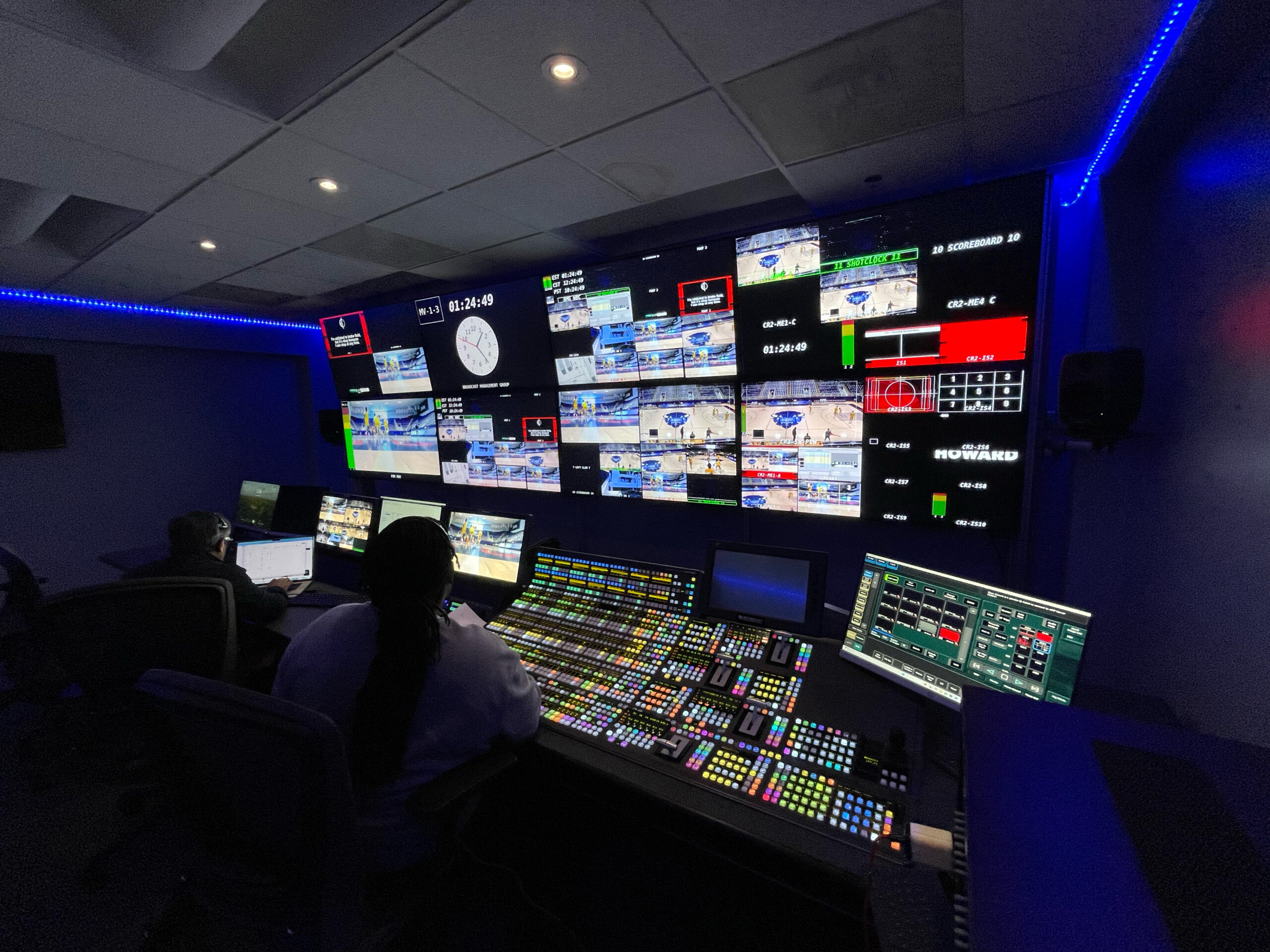
Once REMI exists and the venue owns a destination, the production itself becomes a set of sellable inventory with one inventory layer with four types.
Dynamic ad insertion lets a single production serve different ads to different regions off the same feed, multiplying the value of every slot.
Virtual and AR signage is the creative team’s contribution. Virtual signage overlays sponsor placements onto the broadcast feed itself. Different sponsors in different markets have unlimited inventory that doesn’t exist in the physical venue.
Premium and alternate feeds: Ref cam, coach cam, tactical wide shots cost almost nothing to add once the REMI signal path exists. Each one can be sold as its own sponsor property.
Low-latency data and betting feeds are the one most venues aren’t ready to sell. Sportsbooks pay directly for speed and reliability, and most venues have no idea their current signal chain is too slow to qualify for that business.
For a deeper breakdown of how these inventory types stack up across the industry, including real-world examples from ESPN+, DAZN, Amazon Prime Video, and more, check out Top 9 Ways Sports Broadcasters Monetize Live Sports Streaming.
The Archive Compounds
MAM paired with real metadata turns footage into clip licensing, highlights packages, documentary material, and on-this-day content that fills every day there isn’t a live event. The indexing cost is paid once, and the revenue doesn’t stop.
Social Is the Acquisition Layer
Social itself doesn’t monetize anything, but it’s the acquisition layer that feeds the owned channel.
The timing of social content matters more than anything:
- Clips need to come off the replay system live. Sixty to ninety seconds while the moment is still live beats a version from the day after.
- Vertical should be produced at capture.
- Volume matters. A produced event throws off fifty or more usable assets if someone is sitting on the replay system live.
- Athletes reposting clips is the biggest multiplier available. It’s free, but it only happens if clips can reach players’ phones during the game.
If a venue can’t see clip-to-channel and clip-to-ticket referral, social becomes a line item someone cuts, because nobody can prove what it did. Tracked links need to be in place from the beginning to measure ROI.
The Right Sequence
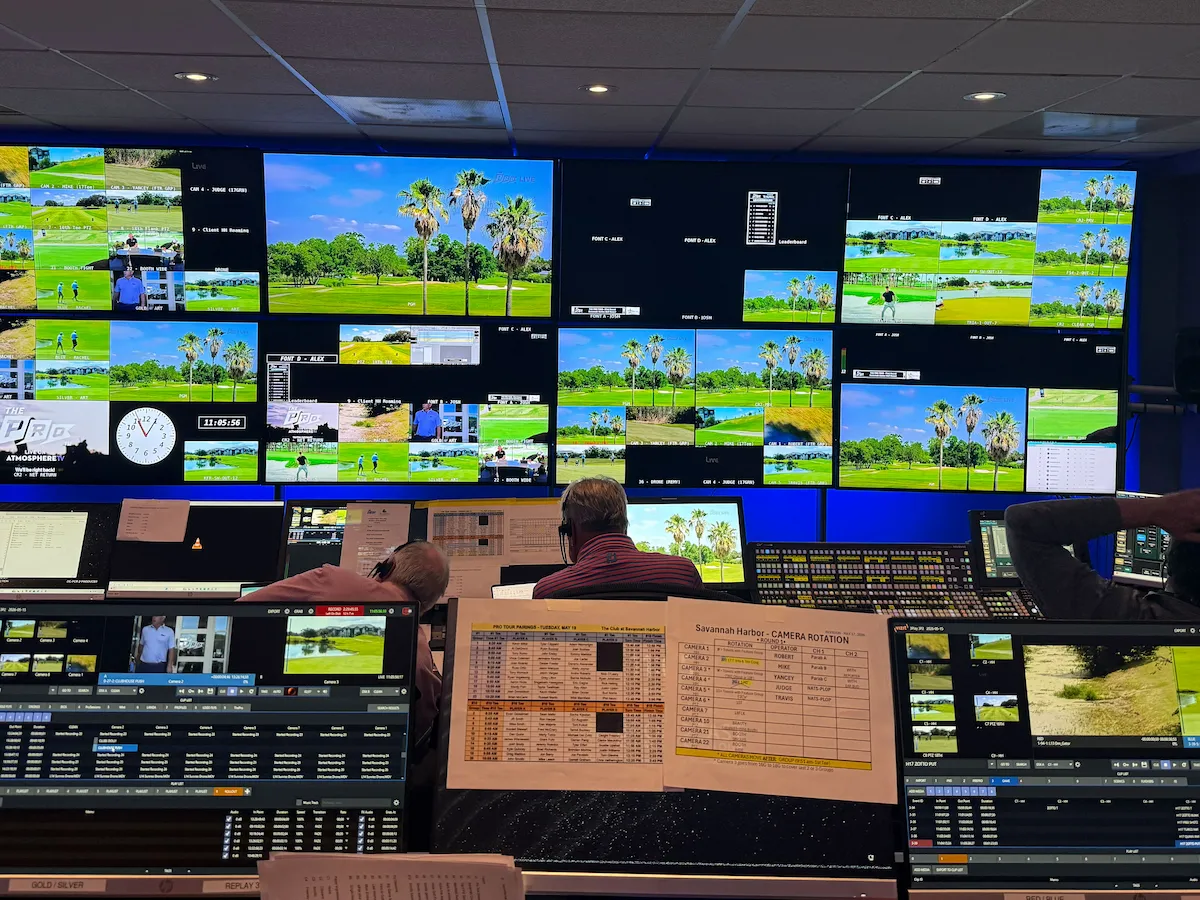
Most venues start with sponsorship inventory, such as dynamic ad insertion, signage, alternate feeds, because it’s the easiest internal sell, but it’s the smallest of the four moves.
The order that compounds: Lower the floor, own the destination, then sell the inventory, with the archive running underneath all of it the entire time.
Partner With BMG to Build the Full Stack
Turning live production into a revenue system takes REMI infrastructure, owned-channel operations, and a media library that actually works.
- Learn about BMG’s REMI production model
- Explore OTT, Linear, and FAST channel services
- Get a systems integration consultation and assessment
- Take the free MAM assessment

Andrew Ryback is the Executive Vice President of Production. He brings over 17 years of experience in production management across live events, entertainment, and on-location shoots. He has managed production logistics for high-profile events, including The Emmys, The Oscars, TIFF, SXSW, Comic-Con, New York Fashion Week, Sundance, and both national political conventions. At BMG, he oversees complex productions from crew and equipment coordination to budgeting, permitting, and on-site execution.
About Andrew Ryback