A season-long sports production is an ongoing operation that requires the right people, technology, infrastructure, and workflows to work together across an entire schedule.
Whether the season includes five events or 50, the challenge is the same: build a production model that can deliver consistent quality without overspending on resources that are not needed for every event.
The key is to plan the season as one connected operation.
Start With the Full Season Schedule
Before determining production staffing or equipment needs, map out the entire season.
Look beyond the number of games. Consider:
- Number of events and total production hours
- Locations and travel requirements
- Venue infrastructure and connectivity
- Number of cameras and sources
- Distribution platforms
- Graphics, replay, audio, and other production elements
A five-event tournament series at the same venue may require a very different approach than a 30-game schedule spread across multiple cities.
Building the schedule first makes it easier to identify staffing needs, equipment requirements, travel demands, and potential opportunities for remote production to reduce on-site costs. Lead time is especially important for securing a consistent crew throughout the season. Working with crew members who understand your sport, team, production workflow, and expectations can improve efficiency and consistency from one event to the next, while reducing the time and resources needed to bring new crew members up to speed.
A detailed schedule also helps identify back-to-back events, travel-heavy stretches, and other periods where staffing or equipment availability could become a challenge.
Build the Production Model Before the Crew List
One of the biggest budgeting mistakes is starting with a crew list before determining how the production will actually operate.
It is important to define the production model first.
- Will the production be fully on-site? REMI? Hybrid?
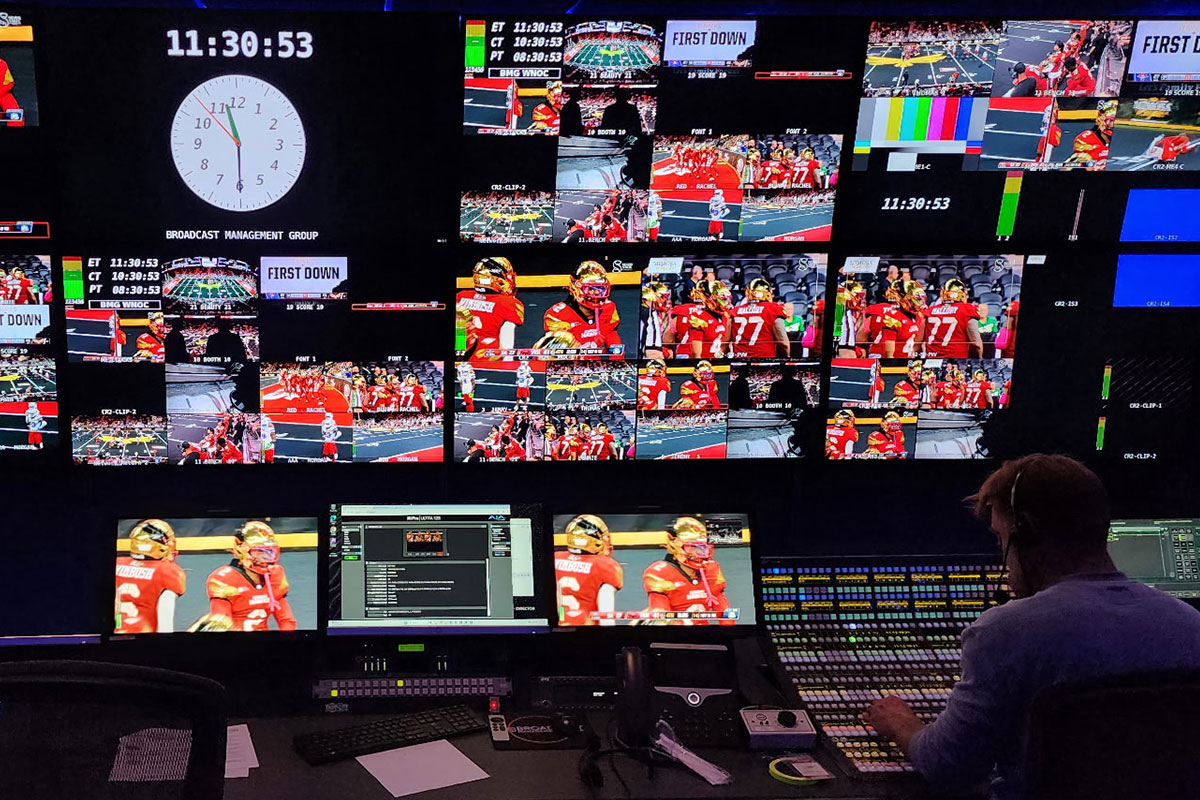
- Will switching and core production operations take place at a centralized broadcast operations center?
- Can feeds be transported back to a central facility for production, monitoring, and distribution?
These decisions directly affect staffing.
Separate Core Staff From Event-Based Staff
A season-long production typically requires a combination of recurring and event-specific personnel.
Core production staff
These are the people responsible for maintaining consistency throughout the season. Depending on the production, this could include:
- Executive or series producer
- Director
- Producer
- Technical director
- Production manager
- Engineering leadership
- Graphics personnel
- Lead replay operator
Event-based crew
Additional personnel can be added based on the requirements of a specific venue or event.
This could include:
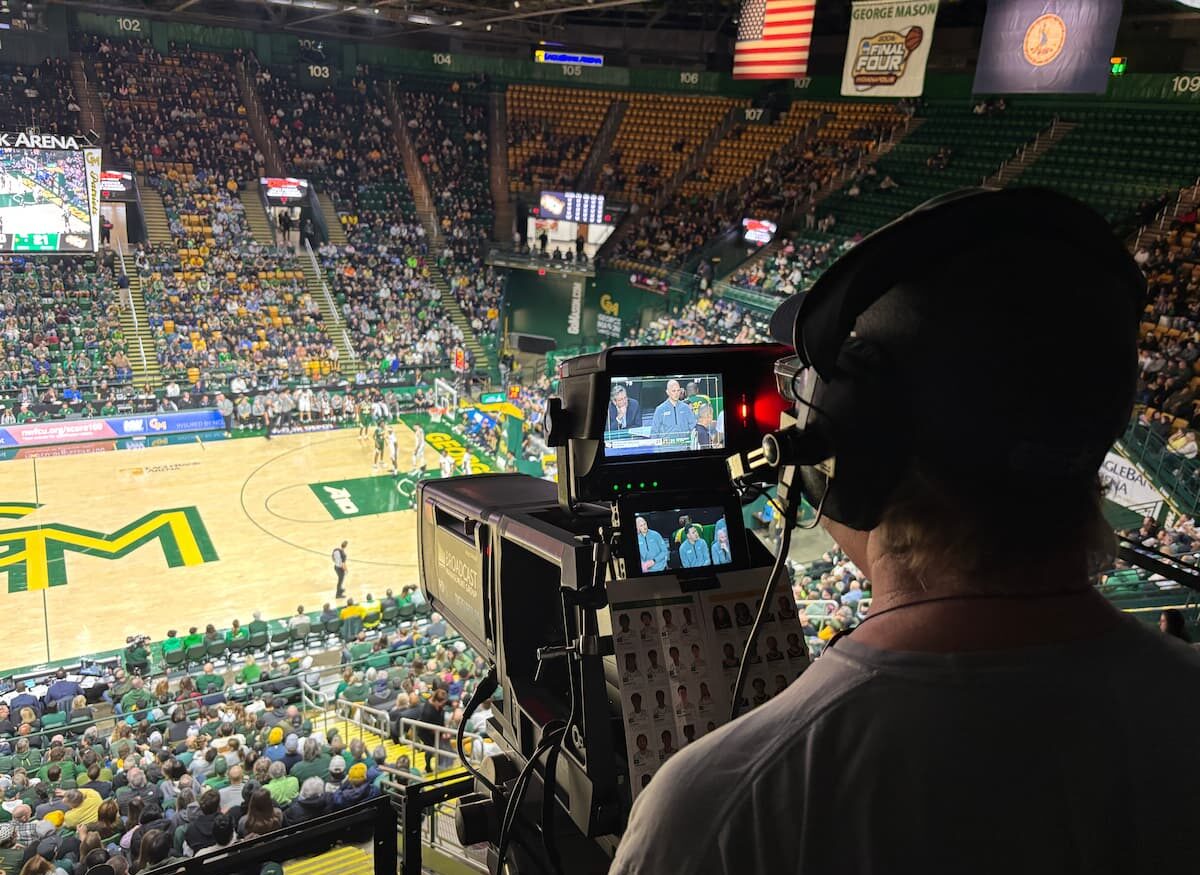
- Camera operators
- Audio technicians
- Utility technicians
- Stage managers
- On-site engineers
- Production assistants
- Specialty camera or drone operators
Budget for the Season, Not Just the Game
| Production Staffing | Production Equipment | Connectivity & Transmission |
|---|---|---|
|
|
|
| Travel & Logistics | Post-Production & Distribution | Contingency |
|
|
|
A single-event budget can make a production look straightforward. A season-long budget requires a much broader view.
Organizations can overlook several costs when planning a season-long sports broadcast:
- Travel: Without a consistent crew, finding qualified personnel on short notice, especially in smaller markets, can add significant travel and labor costs.
- The unforeseen: Frequent travel between venues increases setup time and equipment wear and tear. Unfamiliar crew members handling gear or unexpected issues during transportation can also lead to costly repairs or delays.
- Relief coverage: Long seasons require breaks for the primary crew. Planning for backup crew members early can help avoid last-minute travel, training, and onboarding expenses.
Look for Opportunities to Centralize
One of the biggest opportunities in season-long sports production is determining what actually needs to travel. Not every production function has to be at the venue.
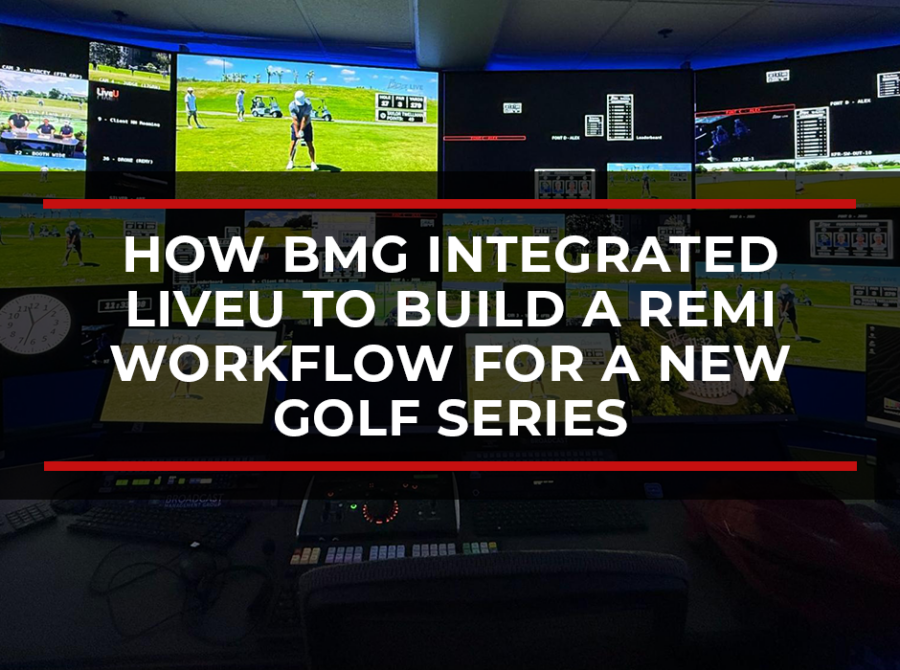
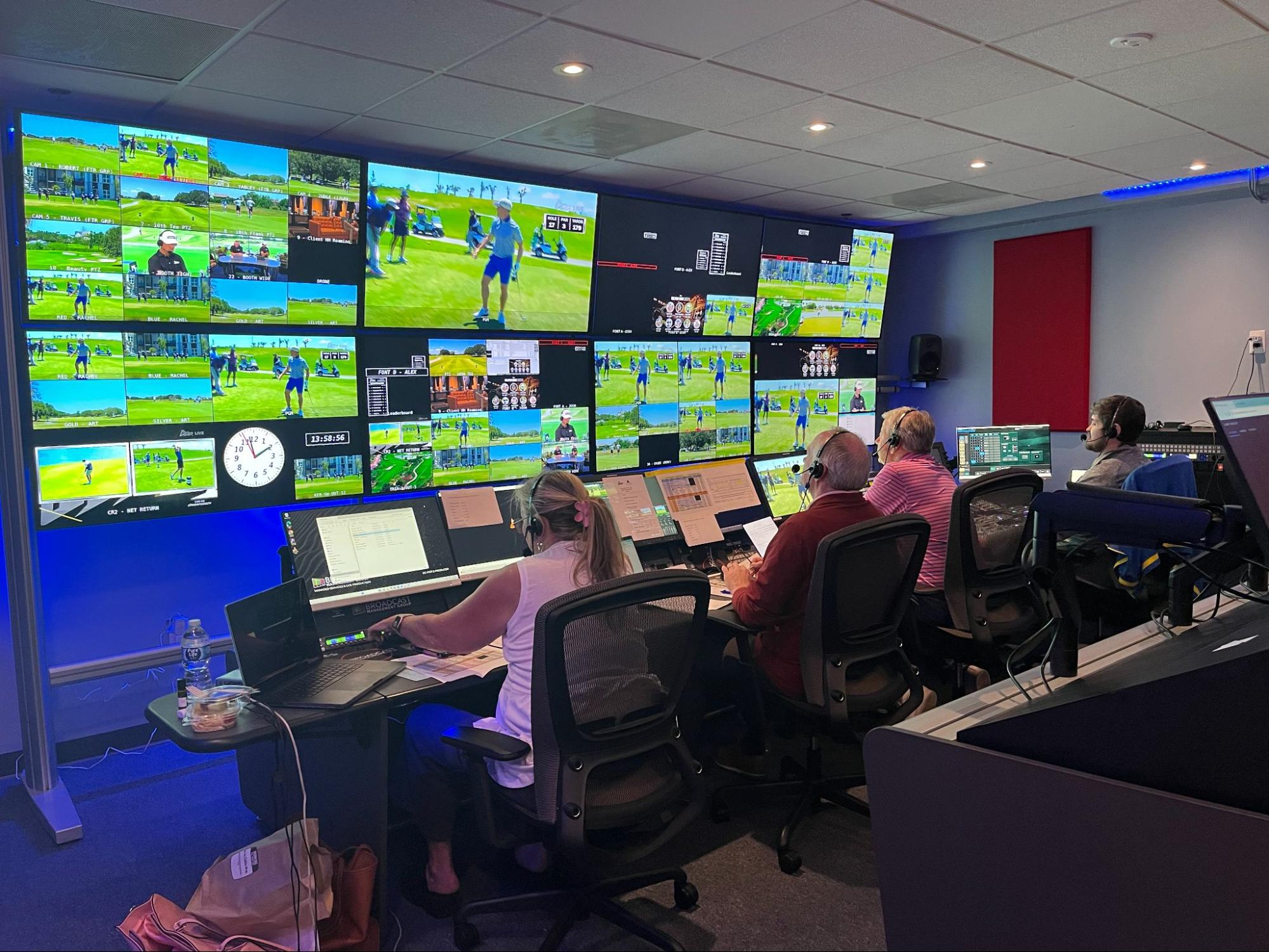
With a REMI or hybrid workflow, cameras and other sources can be acquired at the event and sent back to a centralized production environment. A Network Operations Center (NOC) can then support functions such as switching, graphics, replay, monitoring, communications, and transmission remotely.
Having centralized production resources available beyond event days, including during dark days, creates opportunities to enhance season-long productions with content and production elements that may not be practical to execute within the limited hours surrounding a single event.
This can reduce:
- Travel requirements
- Hotel costs
- Equipment transportation
- On-site crew requirements
- Setup and strike time
It can also create greater consistency across a season. Instead of rebuilding the entire production operation at every venue, a centralized production team and NOC can support multiple events using the same workflow, equipment, and infrastructure.
The result is a production model that puts people and resources where they are most needed, while keeping more of the operation centralized and consistent from event to event.
Create a Repeatable Workflow
A season-long broadcast should not feel like starting from scratch every week.
The more repeatable the workflow, the easier it becomes to manage staffing, budgets, and production quality.
Establish standards for:
- Crew responsibilities
- Equipment packages
- Communications
- Graphics
- Camera positions
- Production templates
- Signal paths
- Naming conventions
- File management
- Content delivery
- Technical checks
A repeatable workflow also makes it easier to bring in additional crew members when schedules overlap or production requirements change.
The Right Production Partner Can Scale With the Season
Staffing and budgeting a season-long sports broadcast requires understanding how the entire production ecosystem fits together from acquisition and connectivity to production, engineering, operations, and distribution.
The most effective approach is to design the workflow around the season, determine which resources need to be on-site, centralize what can be handled remotely, and build a staffing model that can scale as production requirements change.
A season-long broadcast is an ongoing operation. The production strategy should be built that way from the start.
For organizations managing complex sports schedules, BMG can bring creative, technical, and operational capabilities together under one production workflow from field acquisition and REMI production to centralized operations and distribution.
Ready to build a more scalable sports production operation? Bring Every Part of Your Production Under One Partner.

Andrew Ryback is the Executive Vice President of Production. He brings over 17 years of experience in production management across live events, entertainment, and on-location shoots. He has managed production logistics for high-profile events, including The Emmys, The Oscars, TIFF, SXSW, Comic-Con, New York Fashion Week, Sundance, and both national political conventions. At BMG, he oversees complex productions from crew and equipment coordination to budgeting, permitting, and on-site execution.
About Andrew Ryback