A corporate studio build almost always takes longer than the on-site installation window.
That is the part many teams underestimate.
The visible work may happen when racks arrive, cables are pulled, cameras are installed, and the control room starts coming together. But the real timeline begins much earlier. Before anyone starts removing old gear or building a new system, there is discovery, design, procurement, approvals, network coordination, security review, off-site configuration, commissioning, testing, and training.
A simple studio refresh may take a few weeks. A full control room or corporate production rebuild can take several months. A larger facility build can take longer, especially when construction, IT, security, power, HVAC, or permitting are involved.
The honest answer is this: the on-site install may take weeks, but the full corporate studio build usually takes months.
Phase 1: Discovery and Consulting
Every strong build starts with understanding what the studio actually needs to do.
This phase includes reviewing the current space, production goals, equipment, workflows, staffing model, technical pain points, and future requirements. It is also where the scope often changes.
A company may think it needs a camera refresh or a new control room. After a deeper review or studio design and build consultation, the real issue may be routing, power, network infrastructure, undocumented legacy systems, staffing limitations, or equipment that has reached end-of-life.
That happened during BMG’s CVS corporate production rebuild. The original request focused on rebuilding the primary control room. After the consulting phase, BMG identified that adding new technology onto the older system would only carry the same problems forward. The project became a full production system rebuild.
That discovery work added clarity before the build started, which is exactly the point.
Phase 2: Engineering Design
Once the scope is clear, the system has to be designed.
This is where the technical plan takes shape: signal flow, routing, cameras, audio, intercom, monitoring, control room layout, graphics, recording, transmission, networking, and future expansion.
For a corporate studio build, this phase matters because the system has to match the way the internal team will actually use it.
A studio used for executive messages may need a different workflow than a studio supporting investor events, product launches, live streams, podcasts, hybrid town halls, and remote guests.
A studio operated by a lean internal team may need a simpler control surface, clearer documentation, and more repeatable presets than a facility run by a large broadcast engineering department.
Good design prevents problems later. Rushed design usually shows up during installation, testing, or the first live production.
Phase 3: Procurement and Long-Lead Gear
Procurement is one of the biggest timeline variables in any studio build.
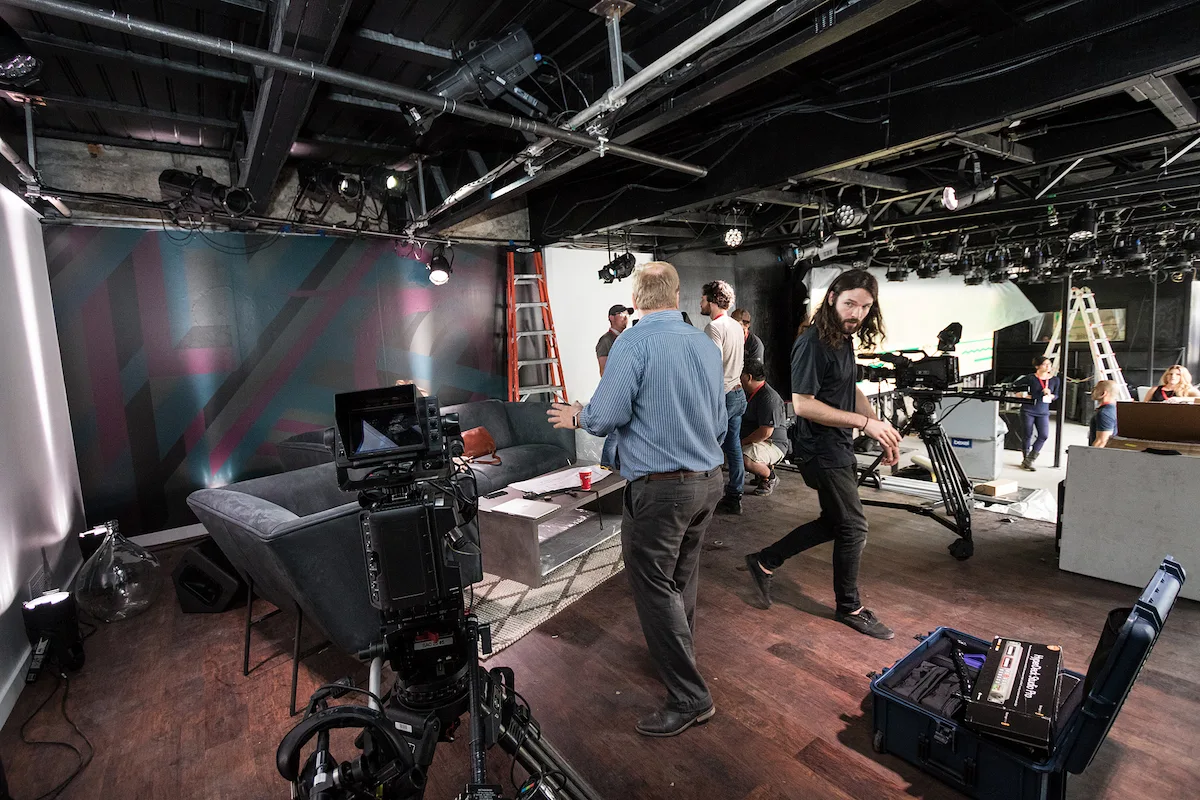
Cameras, switchers, routers, intercom systems, monitors, audio consoles, lighting, network hardware, specialty broadcast equipment, and control room furniture can all affect the schedule.
Some items are available quickly. Others have long lead times, limited inventory, or vendor-specific delivery windows. Even one delayed piece of gear can hold up rack builds, wiring, commissioning, or training.
This is why procurement should begin as early as possible once the design is approved.
A realistic timeline has to account for what can be ordered immediately, what needs client approval, what has to be substituted if unavailable, and what equipment is required before integration can begin.
Phase 4: Off-Site Build and Configuration
A strong integration partner will do as much work as possible before arriving on site.
That can include rack build, equipment configuration, labeling, wiring prep, system programming, testing, documentation, and staging. Off-site preparation helps reduce the amount of disruption inside the client’s facility and makes the on-site installation window more efficient.
For CVS, much of the build preparation happened at BMG before the production space was shut down. That allowed BMG to prepare the new system before removing the legacy infrastructure and installing the updated technology at the corporate headquarters.
This phase is often invisible to the client, but it is one of the reasons the on-site work can move faster.
Phase 5: On-Site Installation
On-site installation is the phase most people think of as the actual build.
This is when the old equipment may be removed, racks are installed, cable is pulled, systems are connected, cameras are mounted, monitors are placed, control room positions are built, and the production environment starts to look finished.
But this phase depends heavily on site readiness.
The room needs to be accessible. Power needs to be ready. Network paths need to be available. Security requirements need to be understood. Construction work needs to be complete enough for broadcast systems to be installed.
If the space is not ready, the schedule can slip quickly.
For many corporate studio builds, the on-site installation window may be measured in weeks.
For a full rebuild, it may also require a planned shutdown period so the old system can be removed and the new one installed without disrupting daily operations.
Phase 6: Commissioning and Testing
A studio is not finished just because the equipment powers on.
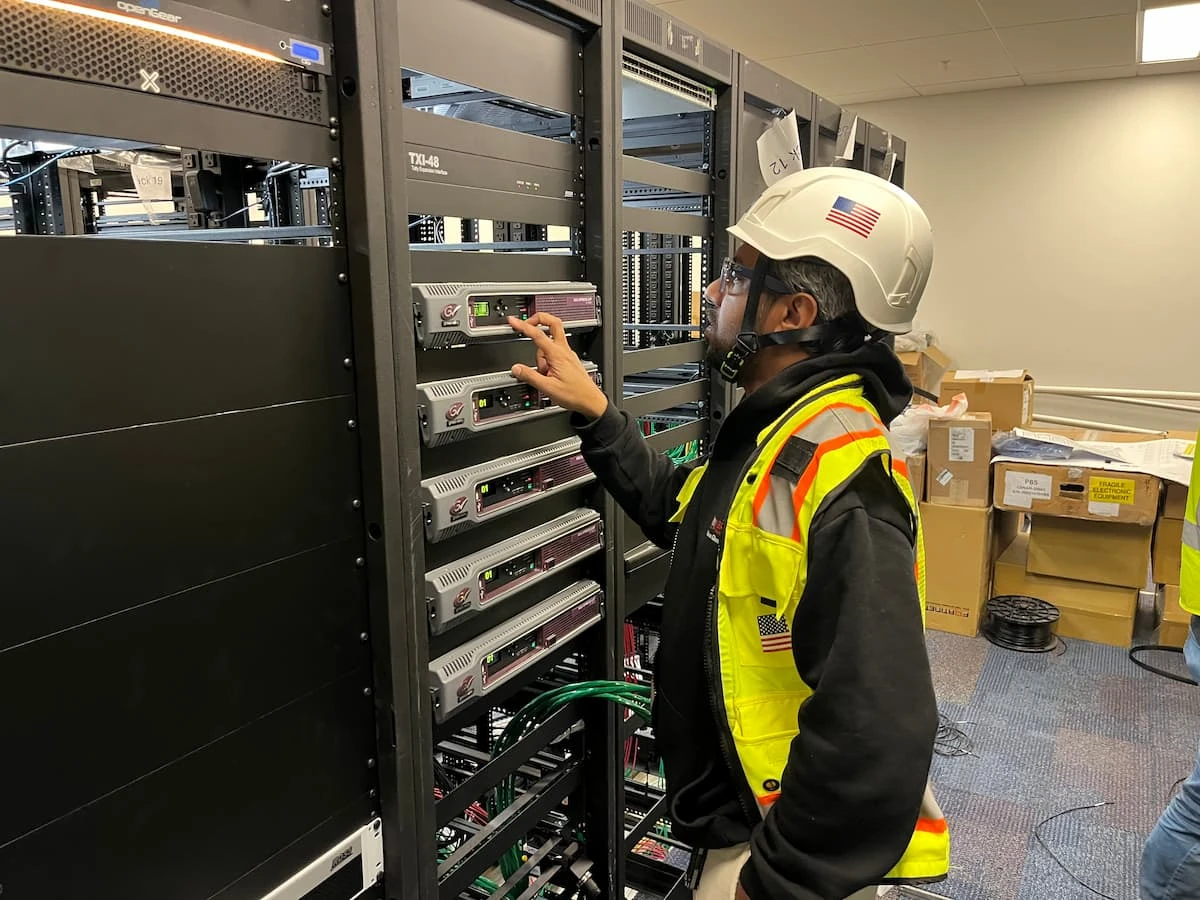
Commissioning is where the system gets tested as a real production environment. Camera paths, audio routing, intercom, graphics, recording, monitoring, streaming, transmission, show presets, remote guest workflows, and control room operations all need to be checked.
This is also where teams test how the system behaves under real conditions.
Can the operator quickly recall the right show setup? Are the monitors labeled correctly? Does the audio route where it should? Do remote guests appear cleanly? Are recordings captured properly? Can the team troubleshoot a common issue without guessing?
Skipping this phase creates risk. It is better to find issues during commissioning than during an executive broadcast.
Phase 7: Training and Adoption
Training is often treated like the last step, but it should be part of the timeline from the beginning.
The people using the studio need to understand how the system works, what the standard workflows are, how to prepare for a show, and what to do when something does not behave as expected.
This was especially important for CVS because the internal team was lean and the new system was a major change from the older environment. BMG had to design a system that was modern and capable, but also manageable for the people operating it every day.
Training turns the build from a technical installation into a usable production environment.
What Actually Causes Studio Build Delays
Most delays come from issues outside the actual installation work.
The most common causes include:
- Long-lead broadcast equipment
- Permitting
- Construction delays
- Power and HVAC readiness
- Network provisioning
- Internet circuit installation
- Security review
- IT approvals
- Executive availability for testing or training
- Internal stakeholder delays
- Change orders
- Vendor commissioning schedules
- Undocumented legacy systems
- Late decisions on furniture, monitors, lighting, or room layout
Some of these are unavoidable. Others can be reduced with better planning.
The most important thing is to identify the risk early. Waiting until installation to solve network, power, security, or procurement issues can turn a manageable delay into a major schedule problem.

How to Keep the Timeline Moving
The best way to protect a corporate studio build timeline is to bring engineering, IT, facilities, security, communications, and production stakeholders into the process early.
Before the build begins, teams should align on the scope, approval process, equipment plan, network requirements, power needs, shutdown windows, executive schedules, and training expectations.
It also helps to document the existing environment before removing anything. Legacy systems are often more complicated than they look, especially when they have been modified over time without clear documentation.
A smoother timeline usually comes from a few practical steps:
- Start discovery early
- Confirm the real scope before procurement
- Order long-lead gear as soon as possible
- Align IT and security requirements before installation
- Build and test off-site when possible
- Set a realistic shutdown window
- Include commissioning in the schedule
- Make training part of the project, not an afterthought
Where BMG Fits
BMG helps enterprise teams plan, design, build, integrate, and support corporate studio environments.
That can include Studio Design & Build, Production Control Rooms & Audio Rooms, Studio Production, Broadcast Systems Integration, Enterprise Video & Content Operations, Production Staffing & Operations, and ongoing operational support through BMG’s [Network Operations Center].
For some clients, BMG is brought in to modernize an existing studio or control room. For others, BMG helps design a new facility, rebuild aging infrastructure, document workflows, train internal teams, and support the production environment after launch.
A corporate studio build is a major investment. The timeline should reflect the full scope of what it takes to make the room reliable, usable, and ready for the productions it needs to support.
Planning a corporate studio build or production control room upgrade?
BMG can help you assess the current environment, design the right workflow, manage the integration process, and support your team from planning through launch.
Talk to BMG about building a corporate studio timeline that is realistic, efficient, and designed around how your team actually produces content.

Dave Weiler is the Senior Vice President of Sports Packaging and Consulting. He leads BMG’s consulting practice, overseeing global consulting projects and building strategic client relationships. A nine-time Emmy Award winner, he brings more than 35 years of leadership experience across media operations, production, and business strategy, including senior roles at ESPN and as founder of Media Edge Consultants. His expertise helps clients develop efficient, scalable solutions across the evolving media landscape.
About Dave Weiler