A live channel doesn’t stay on air by accident.
Behind every linear channel, OTT stream, FAST channel, pop-up channel, and live broadcast workflow is an operational system responsible for keeping signals moving, playlists running, assets available, and delivery paths monitored.
That system is often managed through a Network Operations Center, or NOC.
For broadcasters, streaming platforms, sports organizations, enterprise media teams, and corporate networks, a 24/7 cloud-based Network Operations Center provides the operational backbone needed to keep content on air and available to the audience. It brings together playout, transmission, routing, monitoring, media management, engineering, and incident response into one centralized environment.
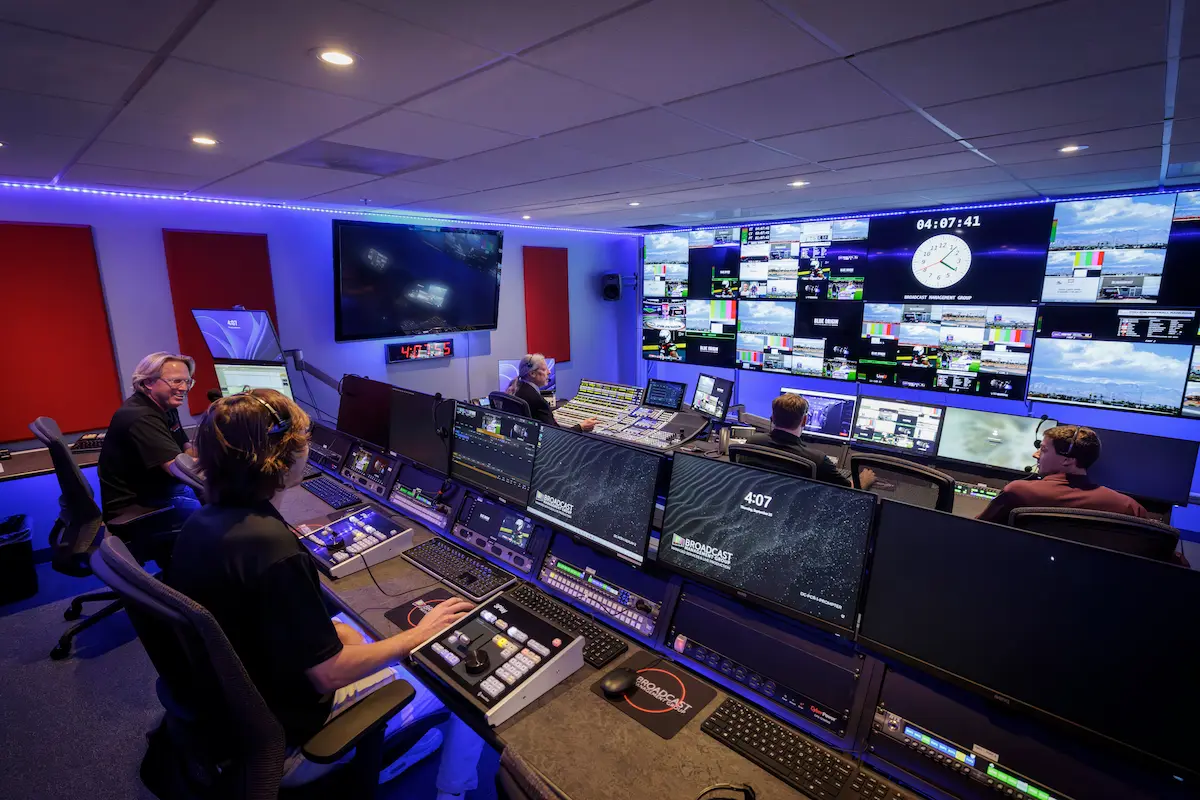
At Broadcast Management Group, that environment is the BMG Cloud Control Center™, located inside our Washington Broadcast Center in Washington, DC.
What Is a Broadcast Network Operations Center (NOC)?
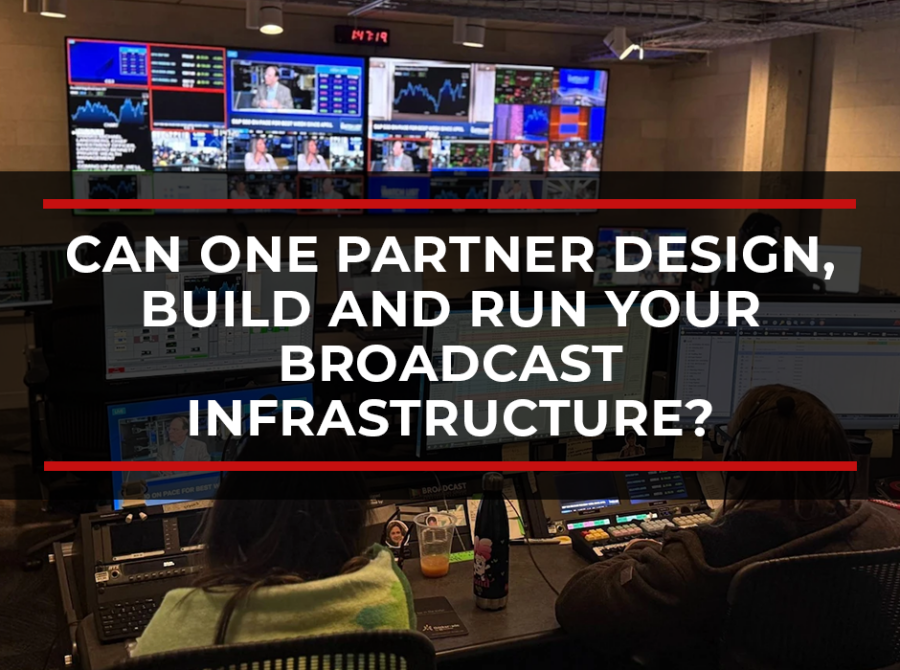
A broadcast Network Operations Center (NOC) is the central hub where live signals, channels, systems, and delivery paths are monitored and managed.
For a channel operation, the NOC oversees the technical workflow from content ingest through on-air delivery. That can include:
- Channel playout
- Playlist management
- Master control, transmission
- Encoding, distribution
- Quality control
- Media asset management
- Real-time monitoring
For live production, the NOC can also support REMI workflows, remote contribution feeds, live event transmission, multi-camera routing, engineering oversight, and technical escalation.
The NOC exists to keep the operation stable.
If a signal drops, a file is missing, a playlist has an issue, an encoder fails, a delivery path degrades, or a channel needs emergency support, the NOC is where that issue is identified, escalated, and resolved.
Why “Cloud NOC” Matters
A cloud-based broadcast NOC extends traditional operations by connecting production, playout, transmission, storage, monitoring, and distribution through centralized infrastructure.
Instead of every channel, studio, facility, or event needing its own isolated technical environment, signals and workflows can connect into a private broadcast cloud. From there, operators and engineers can manage multiple clients, channels, events, and delivery paths from one controlled environment.
For clients, this creates a more scalable model.
- A channel can launch without building a full master control facility.
- A live production can connect back to centralized operators and engineers.
- A corporate media team can support internal broadcasts without managing the full infrastructure internally.
- A sports property can scale live event coverage without rebuilding the technical workflow for each production.
The cloud NOC becomes the shared operational backbone behind those workflows.
What the NOC Does for Channel Playout
Channel playout is the process of organizing, scheduling, and delivering content to air.
A 24/7 channel requires constant coordination between playlists, media files, graphics, commercial breaks, captions, timing, and distribution endpoints. Even a small issue can affect what the audience sees.
BMG’s NOC supports cloud-based TV playout through a managed workflow that includes content ingest, QC, playlist and schedule management, master control operations, graphics and branding, ad break insertion, captioning, encoding, and as-run reporting.
This gives clients a fully managed channel operation without requiring them to build and staff a traditional playout facility.
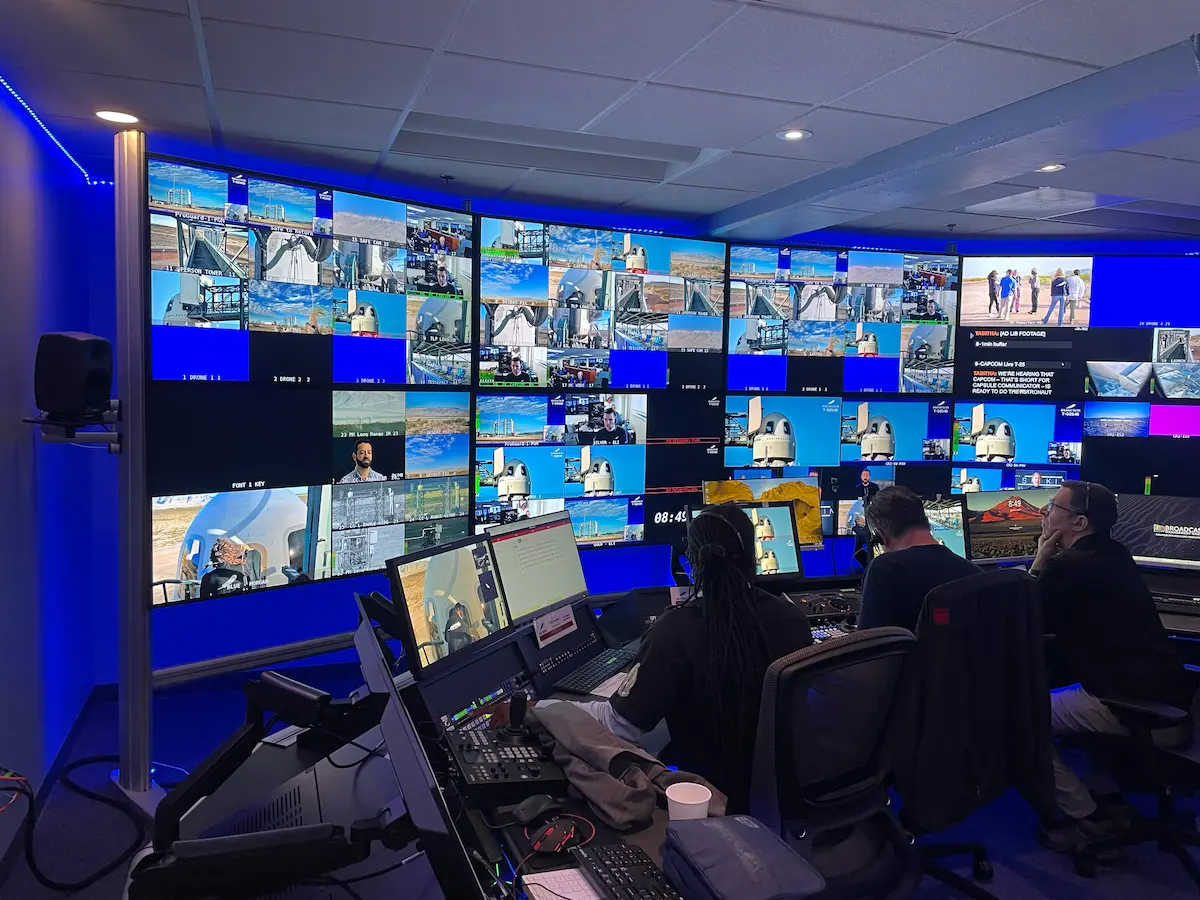
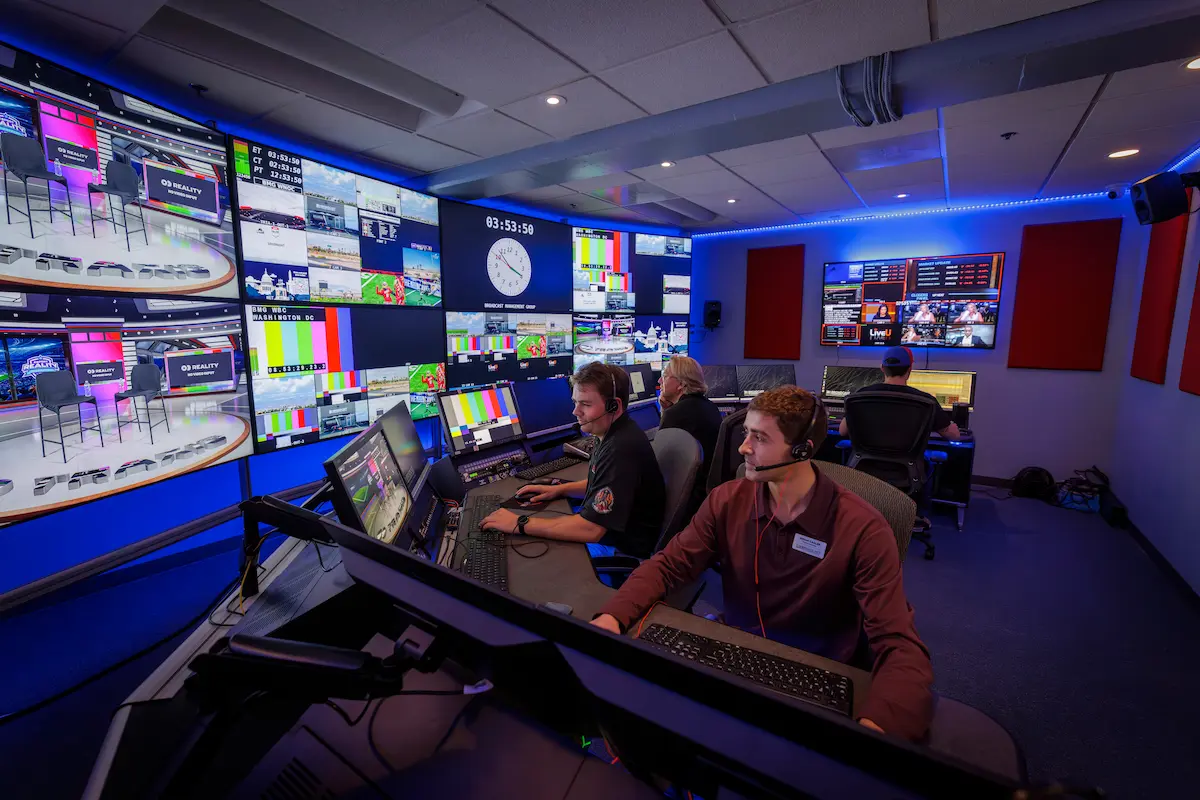
The NOC also provides operational oversight. Operators can monitor playlist status, verify content availability, check timing, respond to missing media, supervise handoffs, and ensure the channel continues running as scheduled.
For linear, OTT, FAST, and pop-up channels, that oversight is critical.
What the NOC Does for Transmission
Transmission is how a signal moves from one place to another.
That may include fiber, IP transport, SRT, RIST, Zixi, RTP, satellite, bonded cellular, or other contribution and delivery methods. For live channels and events, transmission has to be reliable, monitored, and backed by redundancy.
BMG’s NOC operates as a full-service transmission hub, managing contribution feeds, distribution paths, live event signals, fiber circuits, IP workflows, satellite uplink and downlink paths, and redundant delivery routes.
The technical infrastructure behind that operation includes diverse fiber connectivity, multiple ISP providers, satellite paths, LiveU, LTN, Haivision, TVU, and generic encoder/decoder support across protocols such as SRT, RTMP, RTSP, and WHIP.
That variety matters because every client workflow is different.
Some clients need dedicated fiber. Some need IP delivery. Some need satellite. Some need bonded cellular. Some need a mix of all of them with failover built in.
The NOC is where those paths are managed, monitored, and supported.
What the NOC Does for Uptime Reliability
Uptime depends on more than a strong primary signal path.
Reliable broadcast operations require redundancy across power, connectivity, routing, monitoring, staffing, and escalation. A professional NOC is designed to catch problems early and keep channels operational when something goes wrong.
BMG’s Washington, DC facility is built around that requirement.
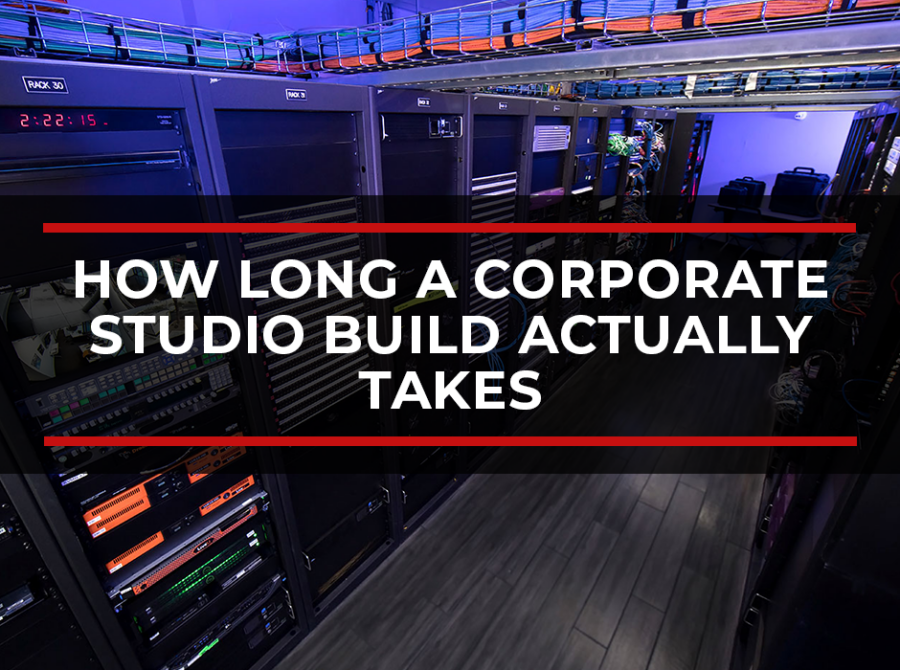
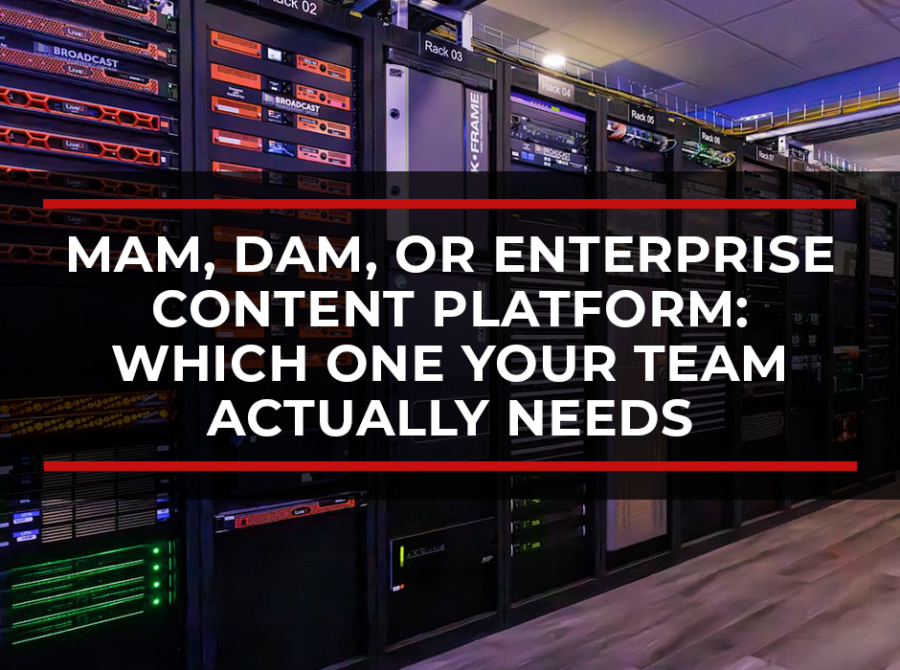
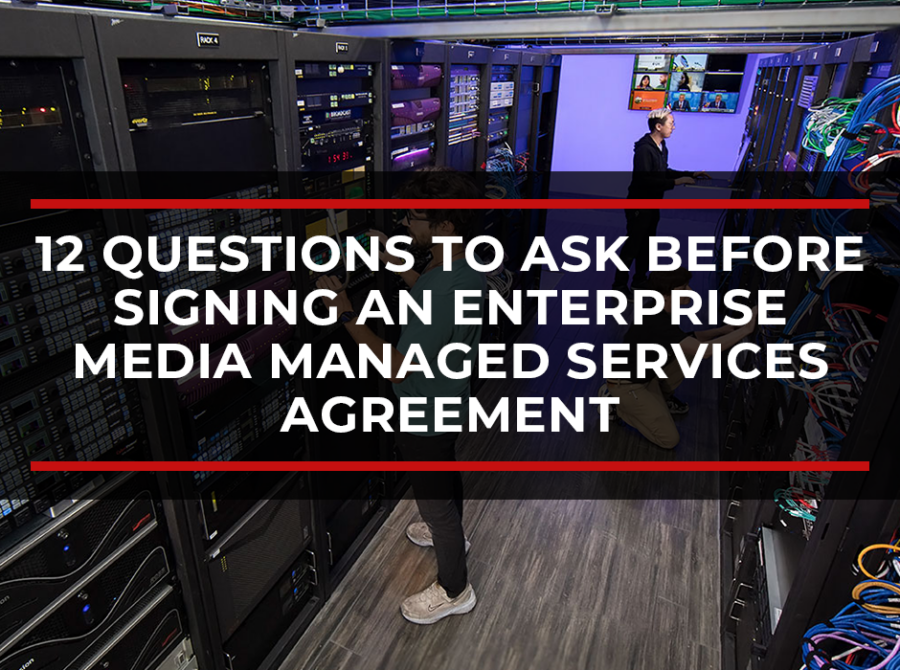
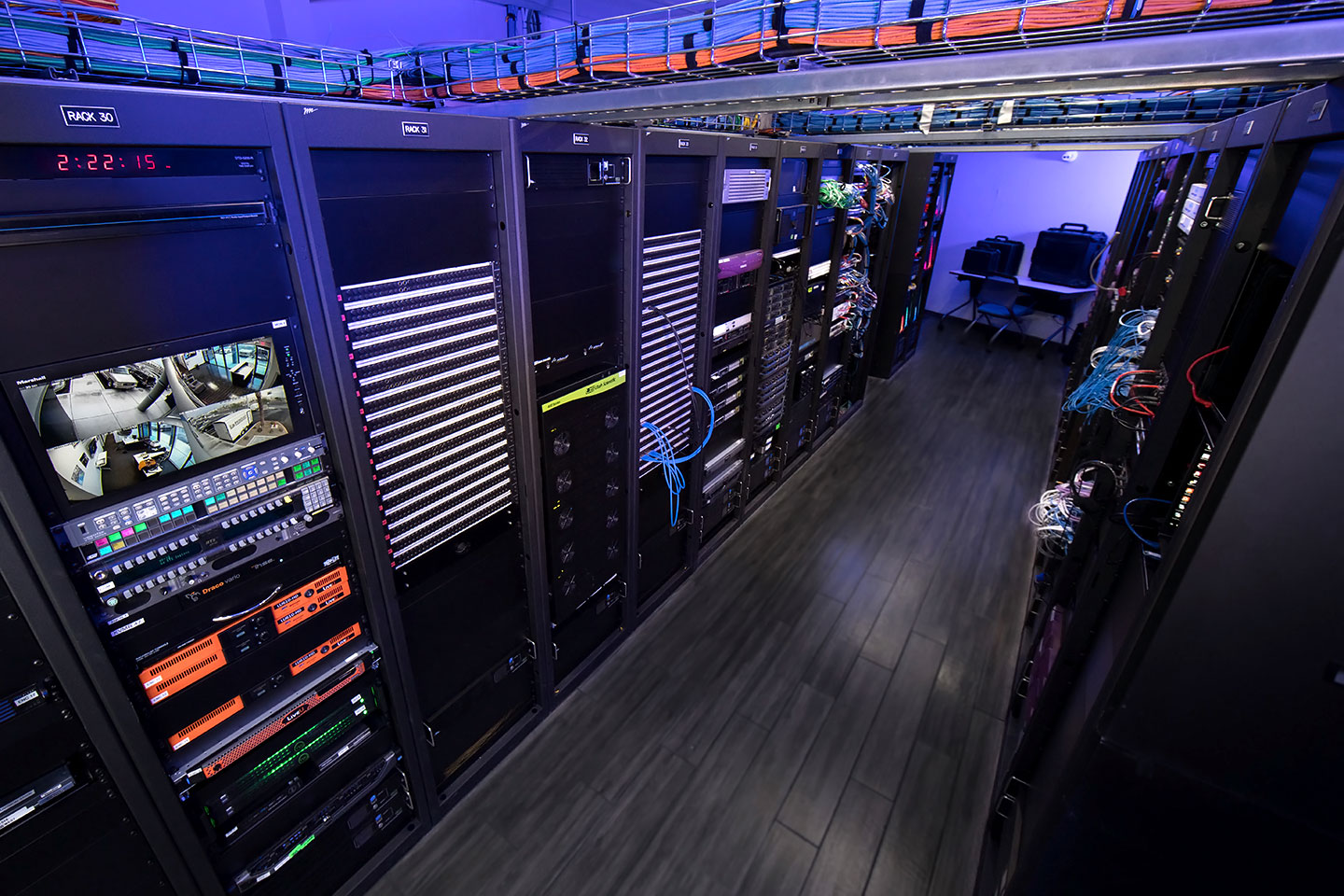
The NOC includes diverse fiber connectivity, redundant internet paths, routing infrastructure, UPS protection, generator backup, redundant HVAC, and continuous system monitoring. The facility also includes data center infrastructure, master control, transmission, production control rooms, audio rooms, media asset management, and cloud-based playout resources.
From an operational perspective, uptime comes from three things working together:
Monitoring
Operators and engineers watch signals, systems, channels, and delivery paths in real time.
Redundancy
Backup paths, backup systems, and alternate workflows are planned before an issue occurs.
Response
When something changes, the team has defined escalation paths and technical resources available to act quickly.
That’s the real value of a 24/7 NOC. It gives clients an always-on operational team watching the systems that keep content moving.
The Infrastructure Behind the Operation
A cloud NOC is only as strong as the infrastructure behind it.
BMG’s Washington Broadcast Center includes custom-built broadcast production facilities that house the BMG Cloud Control Center™, Network Operations Center, media asset management systems, production and audio control rooms, studios, mobile unit support, event production gear, and systems integration resources.
The facility includes major technical systems such as Grass Valley and Ross production switchers, Yamaha audio rooms, RTS communications, LiveU/LTN/Haivision/TVU transmission equipment, GV AMPP Playout X, GV Framelight X media asset management, Evertz routing, multiviewing, record/playback systems, captioning support, and redundant facility infrastructure.
For clients, the technical details matter because they point to one larger benefit: the infrastructure already exists.
Launching or supporting a channel traditionally requires major capital investment, vendor coordination, engineering design, staffing, testing, and long implementation timelines. A managed NOC model gives clients access to that infrastructure without requiring them to build it all themselves.
Why Clients Use a Managed NOC Model
Running a channel or live broadcast operation requires many moving parts.
A client may need playout automation, media ingest, master control, transmission, MAM, monitoring, encoding, captioning, distribution, VOD workflows, CDN management, and technical support. Managing those pieces across different vendors creates complexity and risk.
A managed NOC model brings those functions together.
BMG can operate the full broadcast stack through one managed service, including channel playout, transmission, distribution, VOD, media asset management, CDN support, and NOC monitoring.
That creates a clearer operating model for clients:
- One partner managing the workflow.
- One NOC monitoring the operation.
- One support structure when issues occur.
- One connected platform for playout, transmission, MAM, and distribution.
For organizations launching new channels, moving from satellite to IP, creating FAST channels, expanding OTT distribution, or supporting internal media networks, this model reduces the burden of building and managing the infrastructure internally.
NOC Support for Live Production and REMI
The NOC is also central to live production.
In a REMI workflow, cameras, audio, and field crews may be located at the venue while switching, graphics, replay, audio, transmission, monitoring, and engineering support are centralized through the NOC.
This allows BMG to support live events, sports productions, corporate broadcasts, studio shows, and remote contributors through one connected environment.
The same NOC that monitors channels can also support live production signal paths, remote feeds, contribution sources, and delivery workflows. Live content can move into media asset management, be clipped or edited, and then be distributed across digital, OTT, FAST, or internal platforms.
That connection between live production, channel operations, and media management is what makes the NOC valuable beyond monitoring alone.
What Clients Should Look for in a Broadcast NOC
A professional broadcast NOC should provide more than software access or a monitoring dashboard.
Clients should look for:
- 24/7 operational staffing
- Real-time signal and system monitoring
- Managed playout and master control
- Transmission support across fiber, IP, satellite, and bonded cellular
- Redundant network paths and failover planning
- Media ingest, QC, and asset management
- Clear escalation workflows
- Disaster recovery and continuity planning
- Integration with live production and distribution workflows
- Reporting, accountability, and operational ownership
The best NOC model gives clients confidence that someone is watching the operation, understands the workflow, and has the tools to respond when something changes.
The Invisible Infrastructure That Keeps Channels Running
A successful channel is judged by what the audience sees.
They don’t see the routing, monitoring, playlist checks, transmission paths, backup systems, engineering support, or escalation workflows behind the scenes. They only know whether the channel is live, the quality is consistent, and the content appears when it should.
That’s why the NOC matters.
A 24/7 cloud-based NOC gives organizations the infrastructure and operational support required to keep channels running smoothly without building every system, hiring every role, or managing every vendor internally.
For BMG clients, the Network Operations Center and BMG Cloud Control Center™ provide a centralized broadcast backbone for playout, transmission, live production, media asset management, distribution, and uptime reliability.
It’s the invisible infrastructure behind always-on broadcast operations.
Video: Tour of the 62,000 sq. ft. Washington Broadcast Center.
Karen Landry is Director of Master Control, Playout & Transmission at BMG. She brings over 20 years of experience across post-production, broadcast engineering, and client services, having supported major entertainment productions, live sports, and premier events, including the Super Bowl, the Olympics, and Amazon’s Thursday Night Football. In her current role, Karen partners with clients to develop and deliver cloud-based channel playout and transmission solutions that drive operational excellence.
About Karen Landry