Most media teams are sitting on more valuable content than they realize.
The problem is whether anyone can find it when it matters.
As libraries grow, assets get buried across folders, drives, legacy systems, and inconsistent metadata. Teams lose time searching, recreating content, or abandoning footage that could have been reused.
AI-powered MAM helps solve that problem by making media libraries easier to search, organize, and activate across production, marketing, archive, and distribution workflows.
The Core Problem With Standard MAM
Whether your team is running a legacy MAM or still working from shared drives, the problem usually comes down to discoverability.
Manual tagging takes time, varies from person to person, and doesn’t scale well as content volume grows.
When content can’t be found quickly, it often gets recreated, duplicated, or abandoned. Over time, that creates hidden operational costs across production, marketing, communications, and distribution teams.
The larger the library becomes, the harder it is to get value from it.
That’s where AI-powered MAM can make a meaningful difference.
What AI-Powered MAM Does
AI-powered MAM makes the content lifecycle easier in five main ways:
Auto-tagging applies relevant metadata to videos, images, and audio files, reducing manual labor and improving discoverability at scale.
Speech-to-text transcription makes spoken video and audio keyword-searchable at the clip level, not just by file name.
Facial and object recognition identifies people, logos, locations, and objects so teams can retrieve content faster and with more precision.
Smart search surfaces the most relevant results from a search, not just exact keyword matches.
Content recommendations suggest related and previously used assets, helping teams reuse content instead of rebuilding it.
Together, these capabilities make a media library more usable. Content becomes easier to find, easier to repurpose, and easier to connect back into live production, post-production, marketing, and distribution workflows.
Why Fully Managed AI-Powered MAM Is Different From Building It Yourself
Most teams don’t need another AI tool to evaluate, license, and integrate.
They need AI capabilities that fit into the way their content operation already works, whether they are using a legacy MAM, shared drives, or unmanaged storage.
Building this internally requires infrastructure, workflow design, metadata strategy, permissions, monitoring, integrations, migration planning, and operational support.
For most organizations, that’s outside the core focus of their business.
BMG delivers AI-powered MAM as part of its managed services, with no platform swap, new licensing, or internal AI build required. New clients can be onboarded quickly, without the months of planning and implementation often required for a traditional in-house MAM build.
How BMG Does MAM
BMG has more than 20 years of experience in live production and broadcast operations, which has shaped how we think about MAM today.
For clients like UBS, MAM is not treated as just a storage tool. It’s part of the larger production, playout, archive, and distribution workflow.
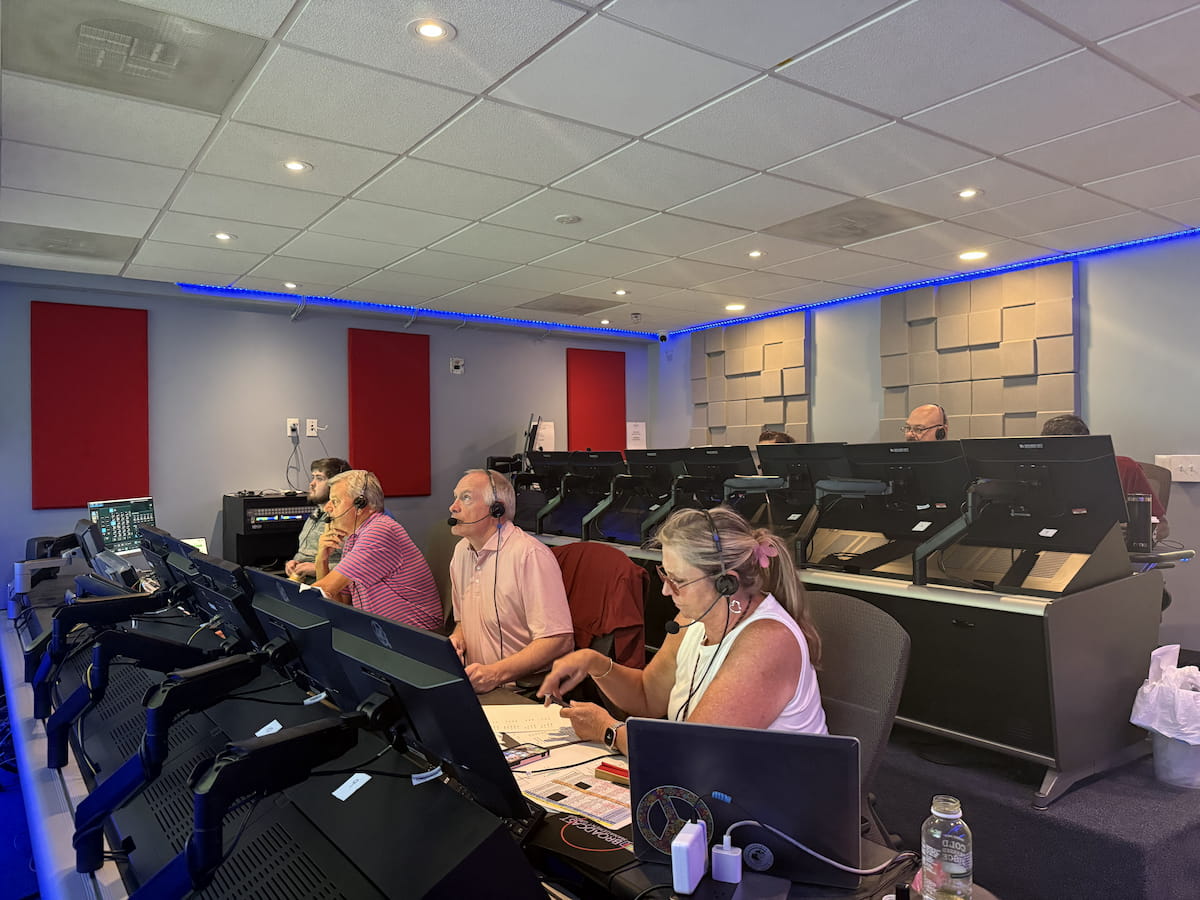
BMG’s MAM capabilities are operated through our Cloud Network Operations Center in Washington, DC, giving clients access to:
- Continuous monitoring
- Active workflow management
- Broadcast-grade redundancy and failover
- A single SLA across the operational stack
BMG also supports integration with existing infrastructure and migration services for clients transitioning from legacy systems, shared drives, or unmanaged storage.
Is Your MAM AI-Ready?
Most teams don’t fully understand where the gaps are in their current media operation until content becomes difficult to find, reuse, or distribute.
A few questions can help identify the problem:
- Can your team find any asset in under a minute?
- Is content automatically tagged at ingest?
- Can editors, producers, marketers, and distribution teams search the same library?
- Are you recreating content that already exists somewhere in your archive?
- Can your current system support AI-generated metadata, transcription, and smart search?
If the answer to any of these is unclear, your MAM environment may not be ready for the way your team needs to work next.
If you’re looking to upgrade your MAM capabilities but are unsure where to begin, BMG offers a free MAM assessment to help you evaluate your current environment and identify the right next step.

Karen Landry is Director of Master Control, Playout & Transmission at BMG. She brings over 20 years of experience across post-production, broadcast engineering, and client services, having supported major entertainment productions, live sports, and premier events, including the Super Bowl, the Olympics, and Amazon’s Thursday Night Football. In her current role, Karen partners with clients to develop and deliver cloud-based channel playout and transmission solutions that drive operational excellence.
About Karen Landry