Live production doesn’t end when the signal leaves the control room. For most shows, content needs to be edited while the event is still happening; highlights, social clips, replay packages, post-show segments, and promotional content all depend on editors getting access to media as quickly as possible. For years, that meant building the entire editing workflow on-site.
The Legacy On-Site Live Editing Workflow
In a traditional live production, the edit environment is built adjacent to the main production operation. For a large entertainment show, awards show, sports event, or major live event, that typically means an edit trailer parked near the production truck. Inside, editors work from machines connected to shared storage, pulling content from replay systems and recording servers as the show unfolds.
A standard setup includes EVS or similar replay servers capturing live feeds and program records, an EVS IP Director or comparable media management layer organizing clips, a local SAN shared between replay and edit workstations, with edit machines connected directly to that shared storage. Growing files allow editors to begin cutting while recordings are still in progress.
When configured correctly, this workflow is powerful. Producers can request packages during the show. Editors can cut highlight segments before the event ends. Social teams can publish clips while audience interest is still high.
A Live Production Workflow BMG Has Used for Decades
BMG has used versions of this workflow across live productions for more than 20 years. It has supported entertainment shows, awards coverage, live specials, and large-scale events, including projects like IMDb Live After the Emmys, Oscars-related productions, Impractical Jokers Live, and major corporate and sports broadcasts. It remains in use today when a production calls for it.
For Blue Origin’s NS-31 the production was all on location, and the editing workflow was built entirely on-site. Editors worked in the post trailer with growing files as launch coverage unfolded. But it requires significant effort to rebuild for every production.
BMG has since developed a much better, more robust workflow leveraging its Cloud Network Operations Center. The BMG workflow works for all on-site productions as well as REMI productions.
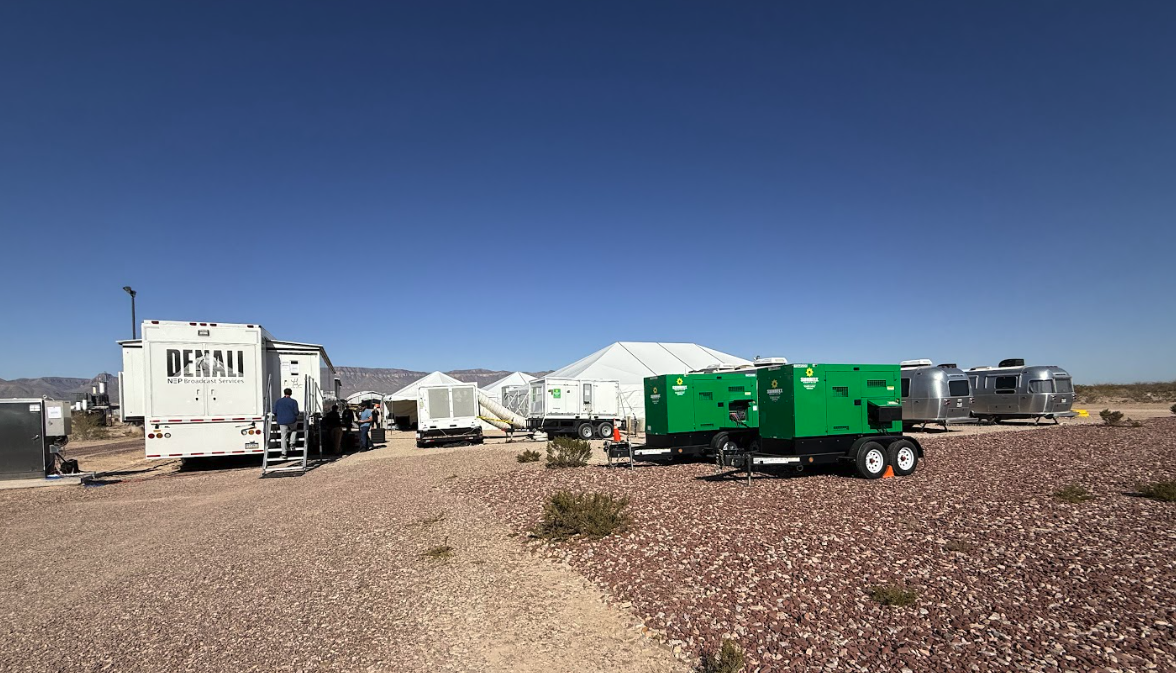
The Challenge With Rebuilding On-Site Every Time
The issue isn’t whether the traditional workflow can perform; it can. The real challenge is how much must be rebuilt, tested, and validated for every production.
Each on-site edit build requires replay systems connected to shared storage, edit machines mapped to correct media paths, growing file workflows tested before show day, network permissions configured correctly, editors and engineers moved to the venue, and content handoffs validated between replay, post, and production. That takes time and introduces risk.
Every production starts with a new technical environment. Even when the workflow is familiar, the venue, network, equipment, and crew configuration can change. For live productions, those variables matter.
Why BMG Built Centralized Media Asset Management Into Its NOC Infrastructure
When BMG built its BMG Cloud Control™ Network Operations Center (NOC), one goal was to make the live editing workflow permanent. Instead of rebuilding the edit environment on-site for every show, BMG can now centralize the content workflow inside the NOC and connect it directly to BMG’s Media Asset Management (MAM) system.
In this model, live production content is recorded into the NOC secure environment, organized through the MAM, and made available to approved editors in real time. Editors can access growing files from the NOC, from another BMG Spoke facility, or from any approved workstation with the right connectivity. The media stays inside the system; editors don’t need to travel to the location or wait for drives, uploads, or file transfers before they can begin working.
How the BMG MAM Workflow Powered The ProTour
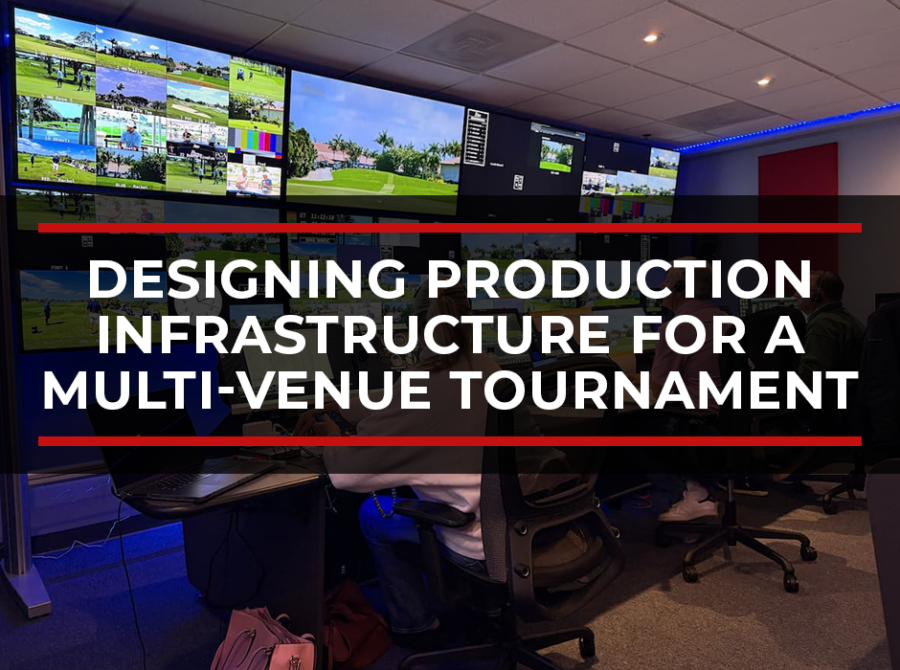
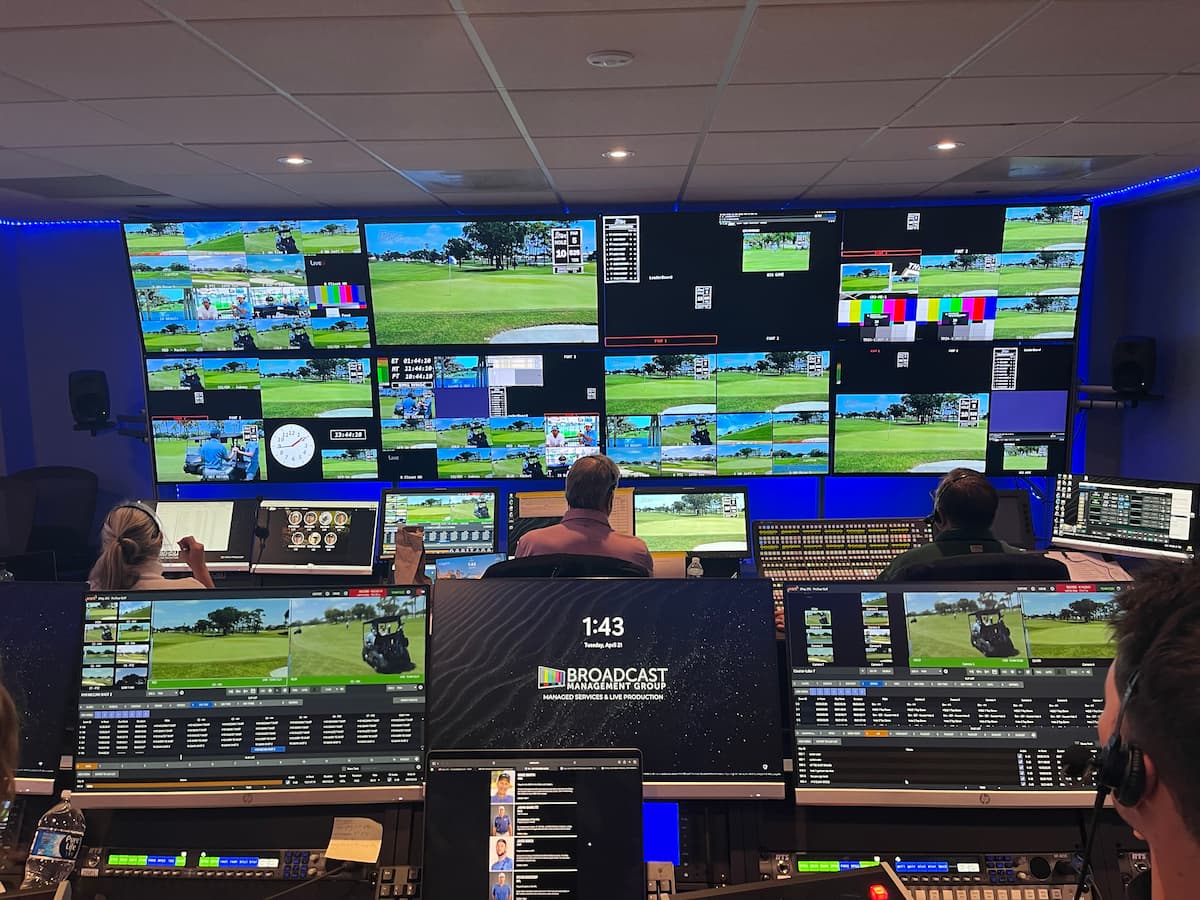
The ProTour is a strong example of this centralized model in action. Cameras from the golf course transmitted directly to the NOC. The show was produced through BMG’s REMI (Remote Integration Model) workflow. Records were created directly inside BMG’s Media Asset Management system and made available for real-time editing, with growing archives of all camera feeds, including clean and dirty feeds, accessible while the tournament was still in play.
Remote editors could access growing files during the event, allowing content to be clipped and turned around without an on-site edit trailer or the cost of traveling editors to the location. For golf coverage, that matters. Highlights, player moments, social clips, sponsor content, and post-round segments all carry more value when they can be created quickly.
For clients who choose to use BMG’s MAM system long-term, all records are automatically organized within the MAM. After the show, if a client needs content delivered to another destination, BMG uploads files directly to the client’s preferred platform or system.
The Benefits of a Centralized MAM Workflow for Live Production
The most significant benefit of centralized Media Asset Management is consistency. Because the infrastructure is permanent, it is already tested, monitored, and supported before a show ever begins. Because content is organized through the MAM, assets are easier to search, manage, reuse, and distribute. Because editors can work remotely, productions can access the right talent without requiring everyone to travel on-site.
Centralized MAM gives live production teams faster access to content from the moment it is captured, remote editorial flexibility that reduces travel and logistical overhead, fewer physical handoffs between systems and locations, reduced on-site infrastructure requirements, better content organization and searchability, more consistent technical monitoring and support, and easier clipping, archiving, and long-term asset reuse. Together, these capabilities create more opportunities to monetize content, before the event ends and long after it does.
Where Live Production Is Heading
Live production is becoming more distributed. We are now in the world of global collaboration. The event may take place at one location. The production may be managed by another. Editors may be working somewhere else entirely. That only works if the infrastructure connects everything into a unified system.
Centralized Media Asset Management is expanding what is possible. It allows live content to move faster, reach more teams, and create more value while the event is still happening.
If you’re planning a live production and want to understand how BMG’s MAM and NOC infrastructure can support your editorial workflow, contact us to learn more.
Todd Mason is the Chief Executive Officer of Broadcast Management Group (BMG), a broadcast infrastructure and media operations company helping define the next generation of television production, live media operations, and broadcast network infrastructure in North America.
About Todd Mason