The idea that a broadcast channel is something only media companies build is outdated.
Corporate communications, product launches, and investor relations are moving off borrowed platforms and onto owned channels brands fully control.
Brands are no longer just content creators; they’re becoming broadcasters. Owning a channel gives an organization control over how content is produced, distributed, and experienced.
This shift raises two questions every brand has to answer: Why build an owned channel in the first place, and what does it actually take to run one?
Why Brands Are Moving Toward Owned Channels
One-off broadcasts can work for a single event, but they become harder to manage as content volume increases.
A company may have executive town halls on one platform, product launches on another, investor content hosted somewhere else, and event recordings stored across multiple internal systems. Over time, that creates a fragmented experience for both the audience and the teams managing the content.
An owned channel gives brands more control:
- For corporate communications teams, it can create a branded destination for employees, leadership updates, internal events, and company-wide messaging.
- For product and marketing teams, it can provide a controlled environment for launches, demos, customer education, and branded programming.
- For investor relations and financial communications, it can support timely, polished, and accessible content for stakeholders who expect high-quality information in real time.
For some brands, the channel may be a 24/7 network. For others, it may be a recurring live programming destination, an event-based channel, or an on-demand content hub. The common thread is control: control over the content, the audience experience, the distribution model, and the long-term value of the media being created.
OTT, Linear, and FAST: Choosing the Right Channel Model
A brand building an owned channel does not have to follow one single model. The right approach depends on the audience, content strategy, distribution goals, and monetization plan.
OTT channels allow brands to stream content directly to viewers through apps, connected devices, websites, or owned digital platforms.
Linear channels follow a scheduled programming model, similar to traditional television, with continuous playout, master control, and transmission.
FAST channels are free, ad-supported streaming channels that use scheduled programming and can create new monetization opportunities for brands with strong content libraries.
Many organizations may use a combination of these models. A brand could run a live OTT event, turn that content into on-demand assets, and eventually build a scheduled FAST or linear channel around recurring programming.
The important point is that these models require more than a place to stream video. They require the operational infrastructure to reliably manage programming, playout, distribution, monitoring, and content delivery.
What It Takes to Operate a Channel
An owned channel is not just a marketing initiative. It is an ongoing broadcast operation.
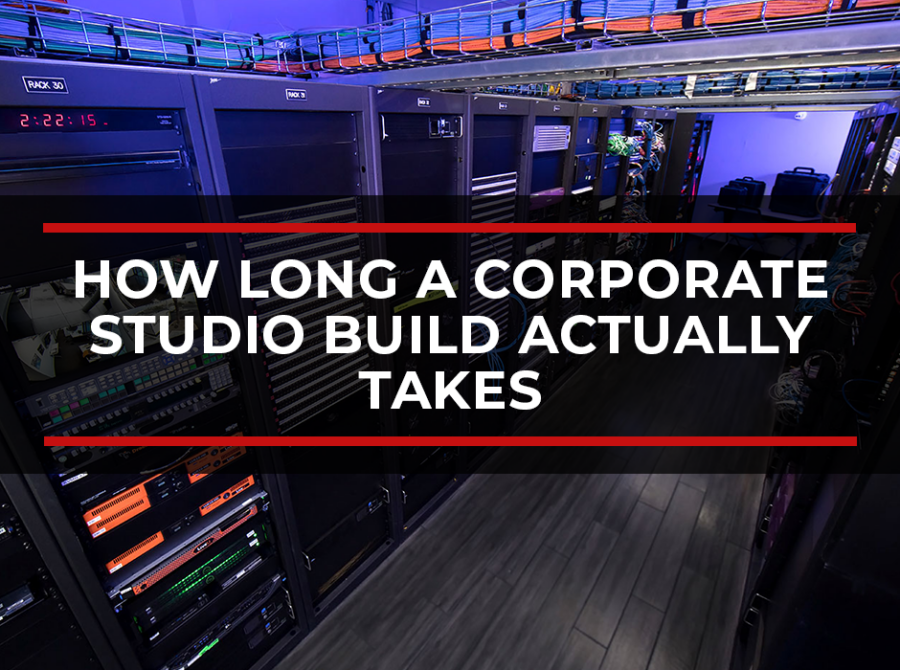
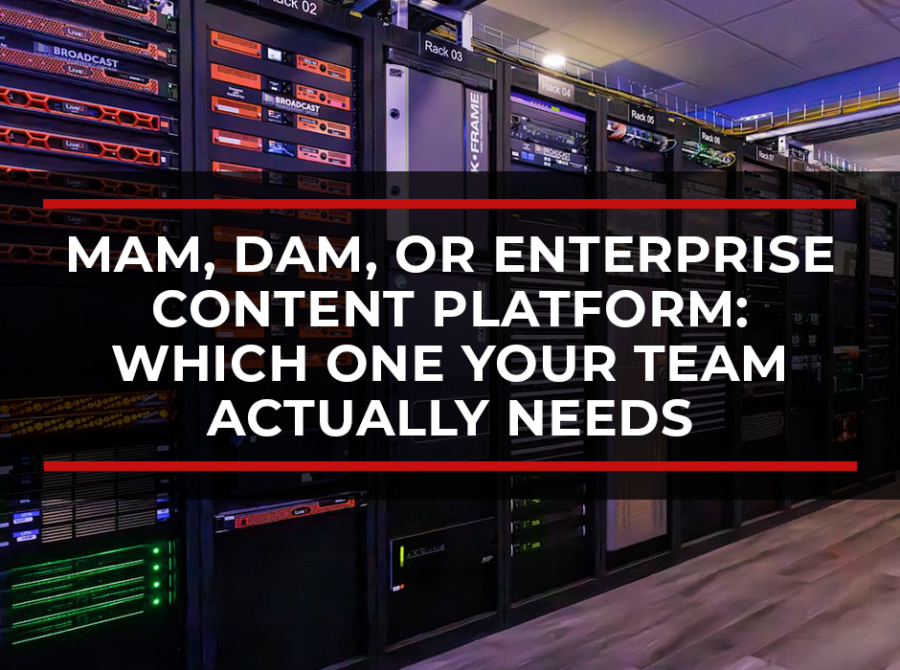
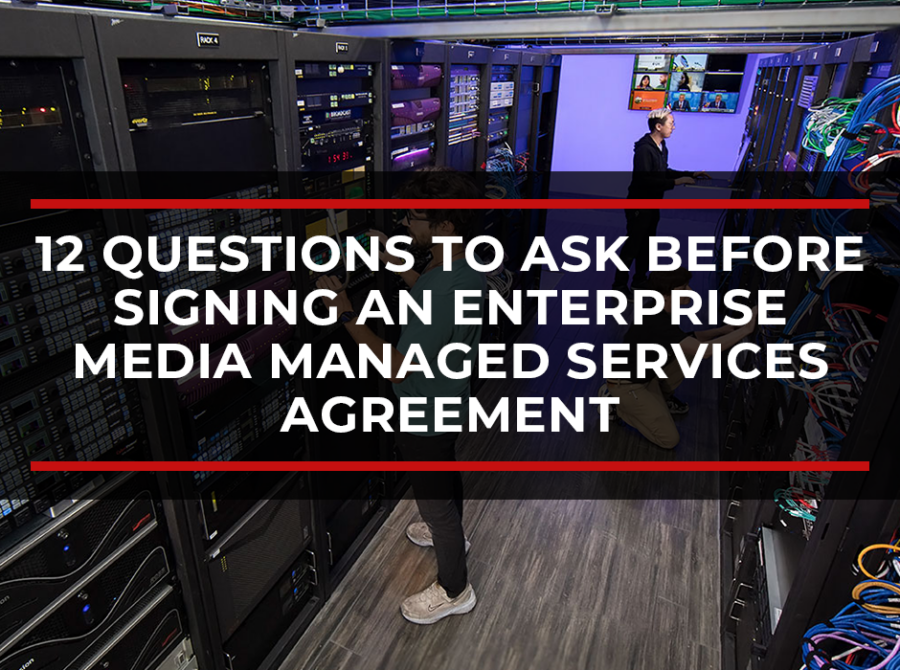
Behind the scenes, a real channel requires master control, playout automation, transmission, encoding, monitoring, scheduling, media asset management, quality control, and technical support.
For brands used to producing individual livestreams, this is a major shift. A channel has to work continuously. Content needs to be ingested, organized, scheduled, distributed, monitored, and repurposed. Live programming has to move cleanly into recorded assets. Teams need access to the right files at the right time. Viewers expect a polished, reliable experience every time they tune in.
That is where professional broadcast infrastructure matters.
Master Control and Redundant Playout
Master control is the technical core of a channel operation.
It manages the flow of content to the audience, including live feeds, scheduled programming, graphics, commercial breaks, platform delivery, and transmission. For OTT, Linear, and FAST channels, master control ensures that content is delivered correctly, continuously, and at the quality level the brand expects.
Redundant playout is equally important. If a channel goes down during a live event, product launch, financial update, or executive broadcast, there may not be a second chance to get it right.
A reliable channel operation needs backup systems, diverse transmission paths, monitoring, escalation workflows, and technical teams ready to respond when issues arise.
Media Asset Management: Turning Content Into a Usable Library
A growing channel creates a growing content library.
Without a media asset management system, that content can quickly become difficult to find, organize, repurpose, and distribute. Files end up scattered across drives, teams, platforms, and vendors. Valuable content becomes harder to use over time.
Broadcast Media Asset Management provides brands with a centralized system for ingestion, storage, metadata management, versioning, search, access, and delivery. It allows production, marketing, communications, and distribution teams to work from the same organized library instead of recreating or hunting for content that already exists.
AI-powered tools can make that library even more useful through speech-to-text transcription, facial and object recognition, auto-tagging, smart search, and content recommendations.
For brands producing live events, interviews, executive messages, product content, and recurring programming, MAM helps turn every production into a long-term content asset.

Schwab Network: A Corporate Brand Operating Like a Broadcaster
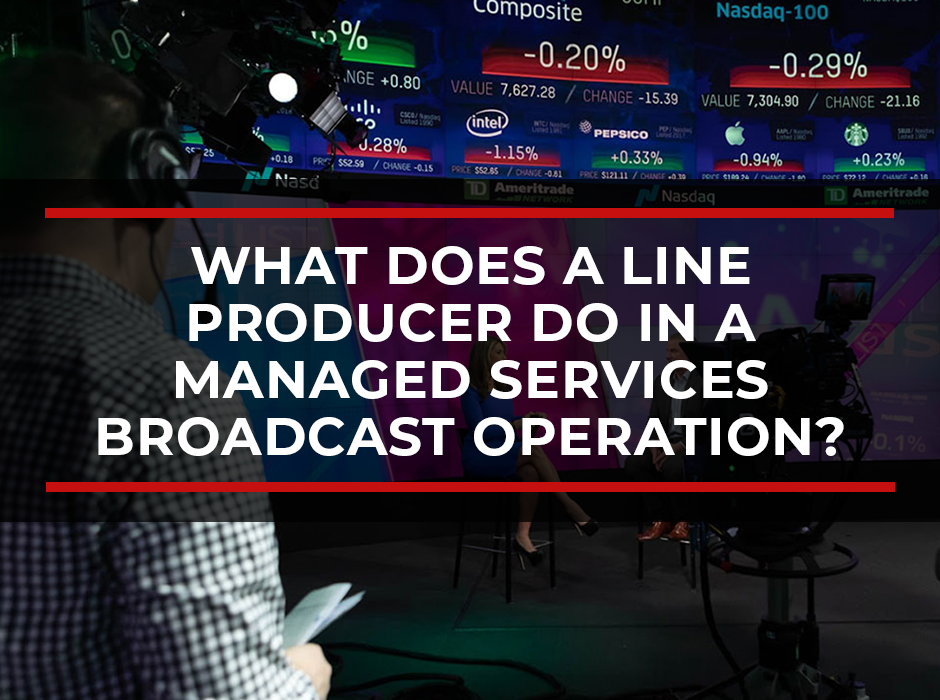
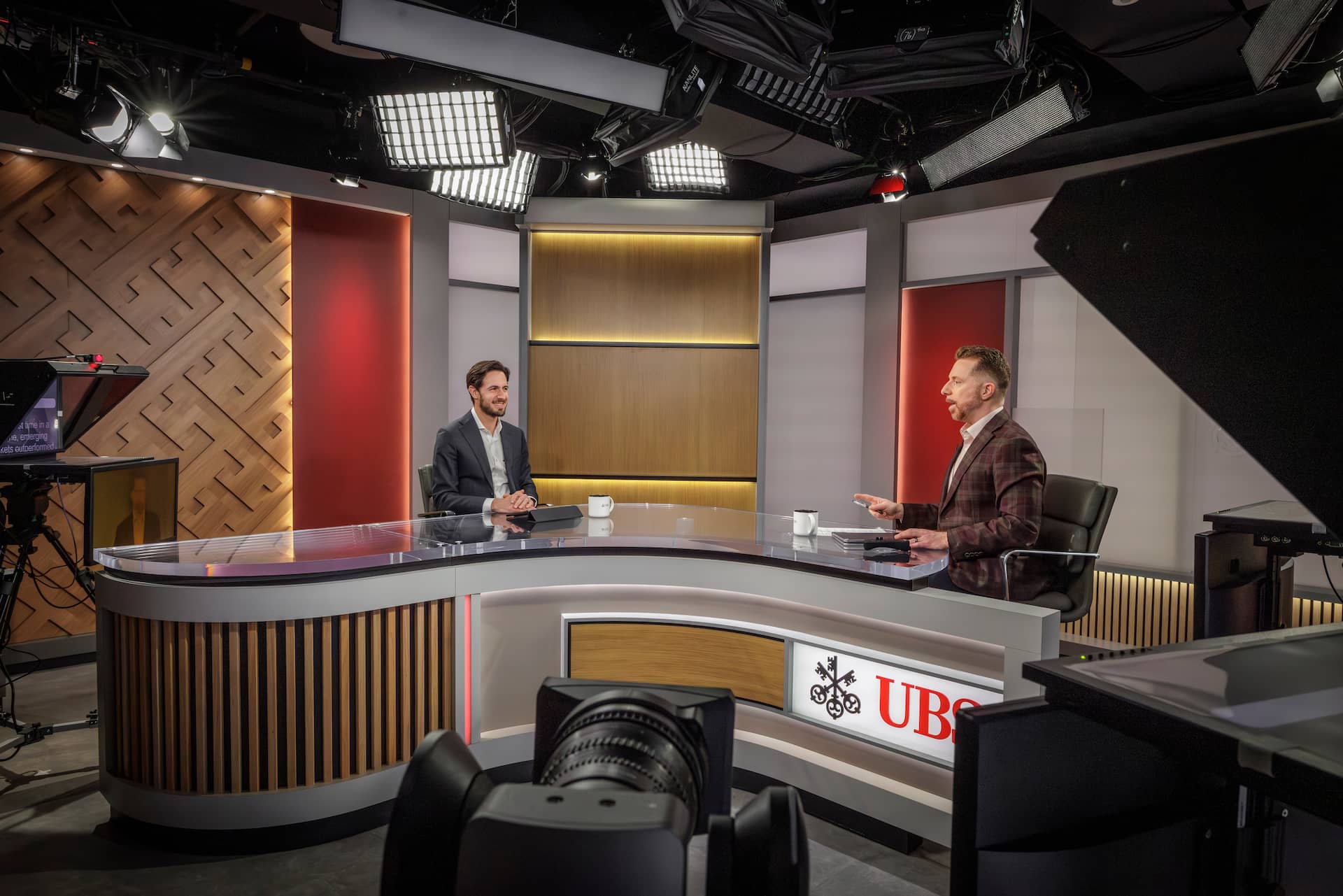
BMG’s work with Schwab Network is an example of how a corporate brand can build and operate a real owned media channel.
Schwab Network is a 24/7 direct-to-consumer OTT channel delivering live financial programming in real time. The operation requires daily production, master control, transmission, media management, engineering support, and ongoing technical oversight.
BMG supports Schwab Network through a managed services model that combines production operations, technical infrastructure, staffing, and broadcast workflows into one connected system.
It’s a clear example of how enterprise brands can move beyond individual content projects and build a true media operation.
One Partner for the Whole Stack
Building an owned channel requires more than creative strategy or streaming technology alone.
It requires programming, production, staffing, engineering, master control, playout, transmission, monitoring, media asset management, and distribution working together as one system.
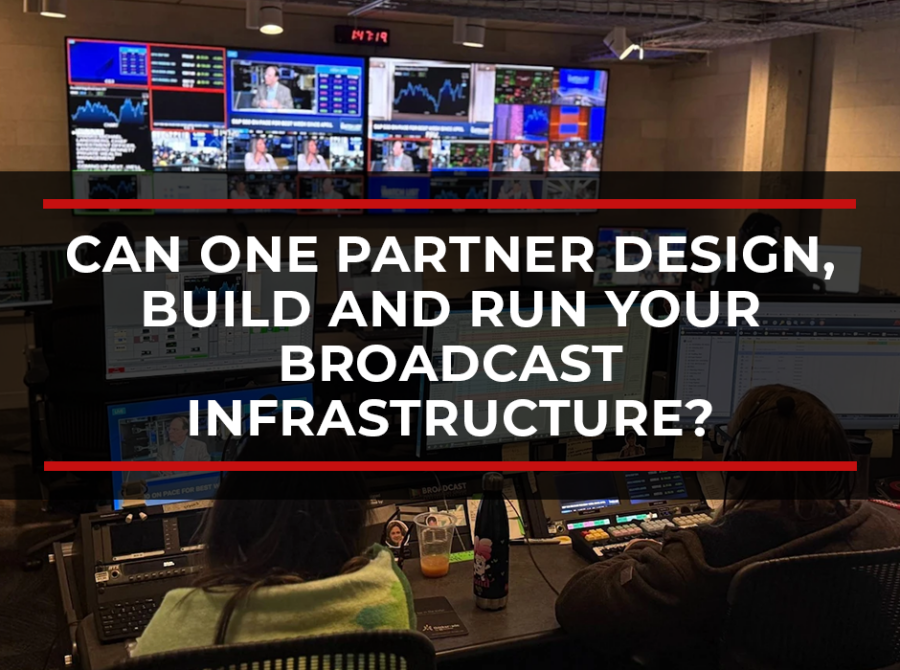
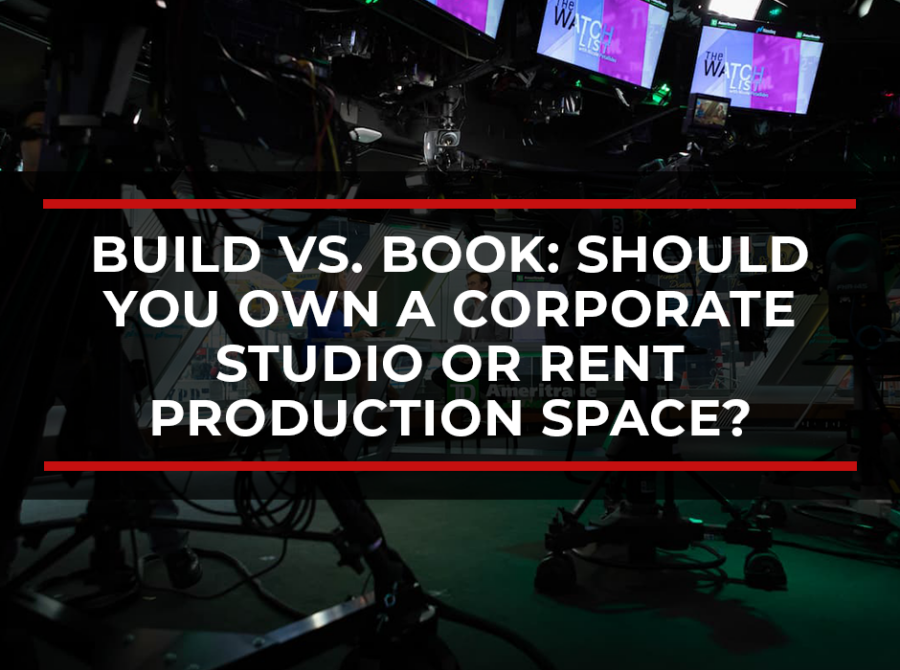
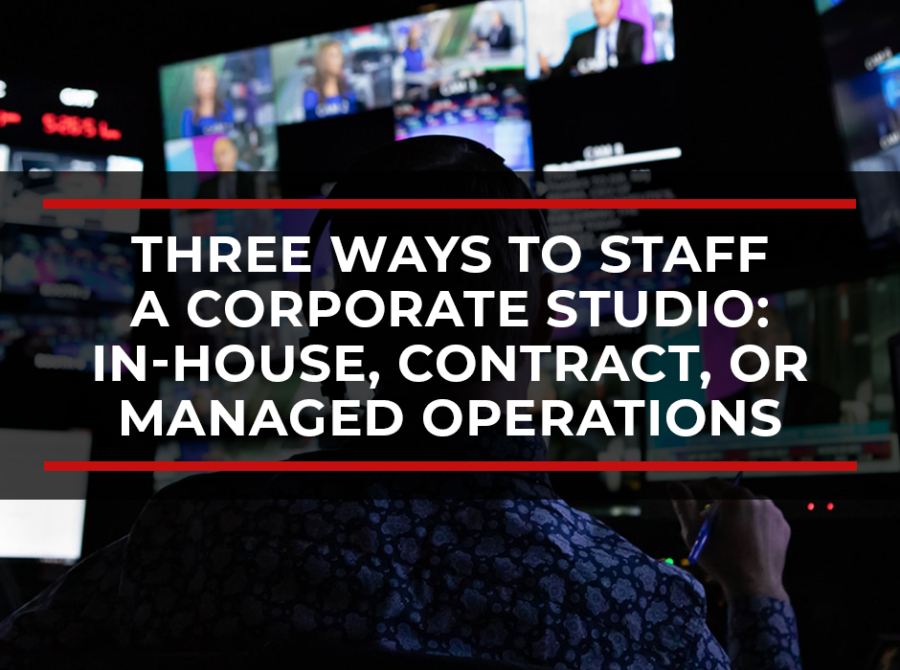
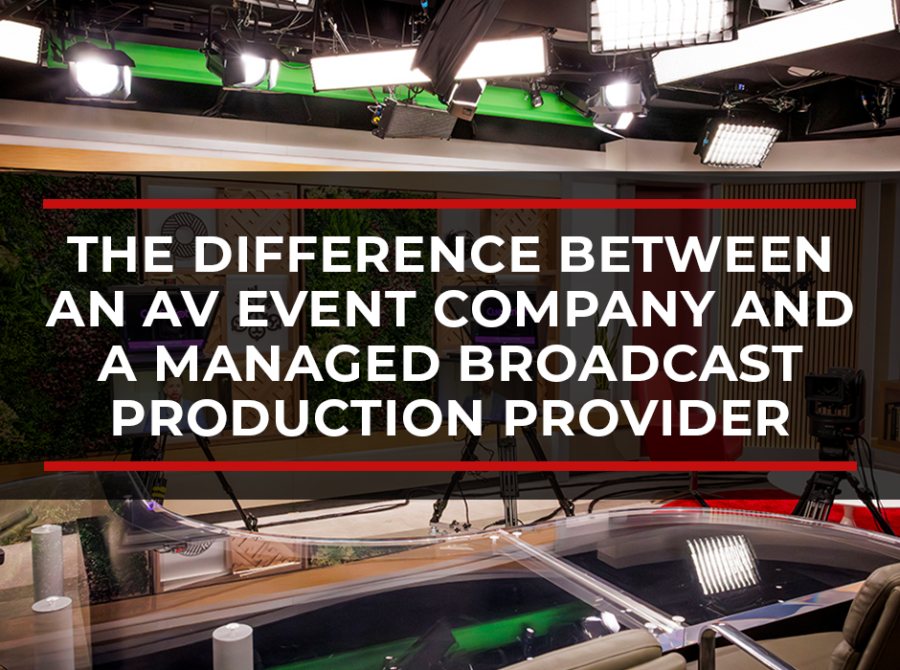
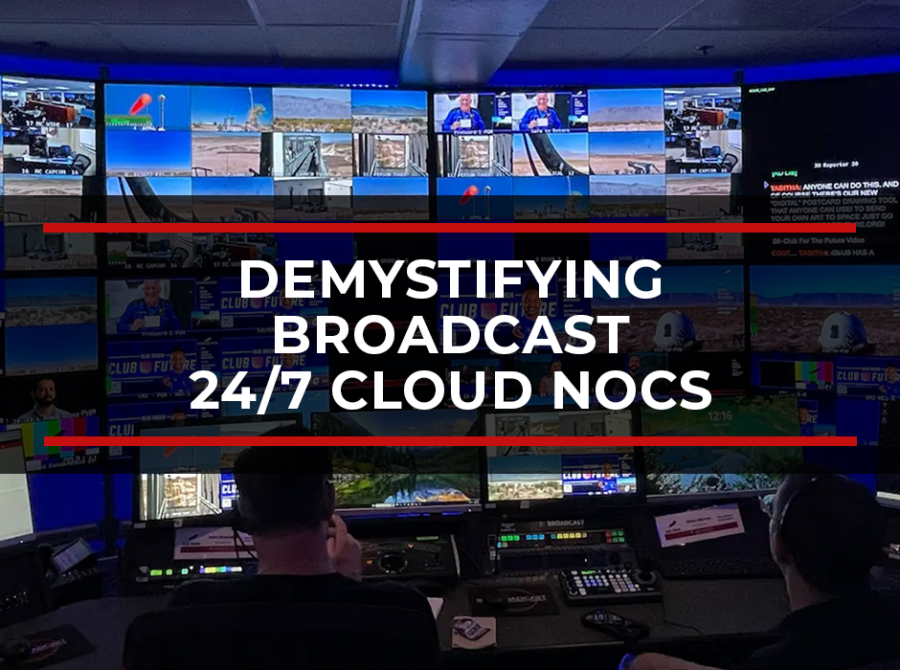
BMG’s managed services model is built for that kind of operation. We support clients with creative and show development, production staffing, operational management, 24/7 Network Operations Center support, channel playout and transmission, Media Asset Management, and studio/control room infrastructure.
Instead of managing separate vendors for production, technology, staffing, transmission, and post-production, brands can work with one accountable partner from concept to broadcast.
Building the Next Generation of Brand Channels
Corporate brands are producing more content, serving more audiences, and looking for more control over how that content is delivered.
Owned channels give organizations a way to centralize that experience, create long-term value from their media, and communicate with audiences on their own terms.
But the success of an owned channel depends on the operation behind it.
With the right infrastructure, staffing, master control, playout, MAM, and distribution strategy, brands can build channels that look, feel, and operate to broadcast standards.
Fill out the form below and contact us if you’re ready to launch a Linear, OTT, or FAST channel project. We’ll walk you through how our turnkey model helps you move from concept to broadcast with less risk than building the full operation yourself.
Todd Mason is the Chief Executive Officer of Broadcast Management Group (BMG), a broadcast infrastructure and media operations company helping define the next generation of television production, live media operations, and broadcast network infrastructure in North America.
About Todd Mason