The future of live production does not fit inside a broadcasting truck.
The traditional model of live production has relied on production trucks, dedicated fiber connections, and large on-site crews.
Today, a complete live broadcast, including switching, graphics, monitoring, replay, and distribution, can be produced remotely.
This is cloud-based live video production.
And BMG has already demonstrated what this model can achieve.
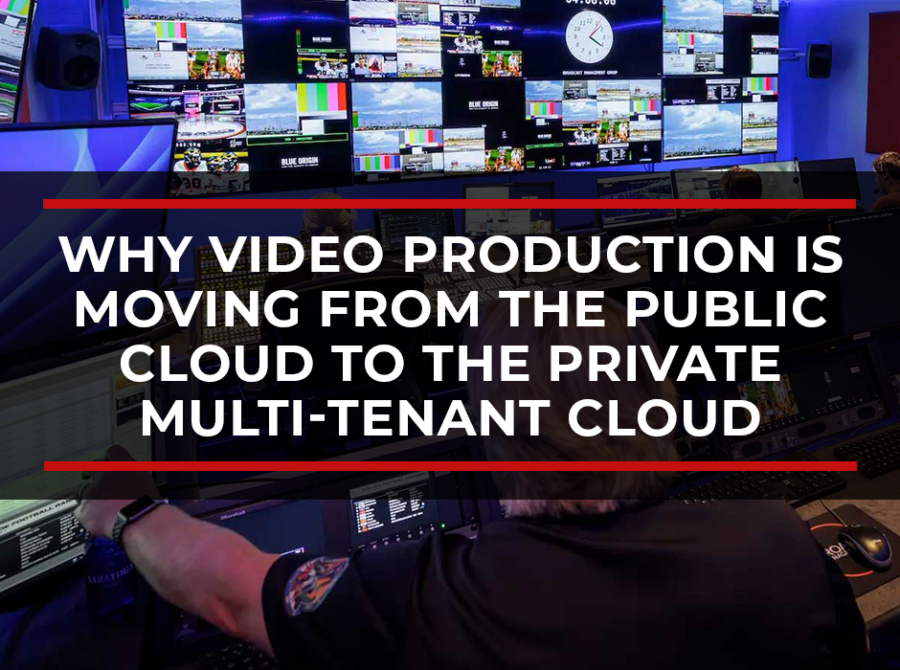
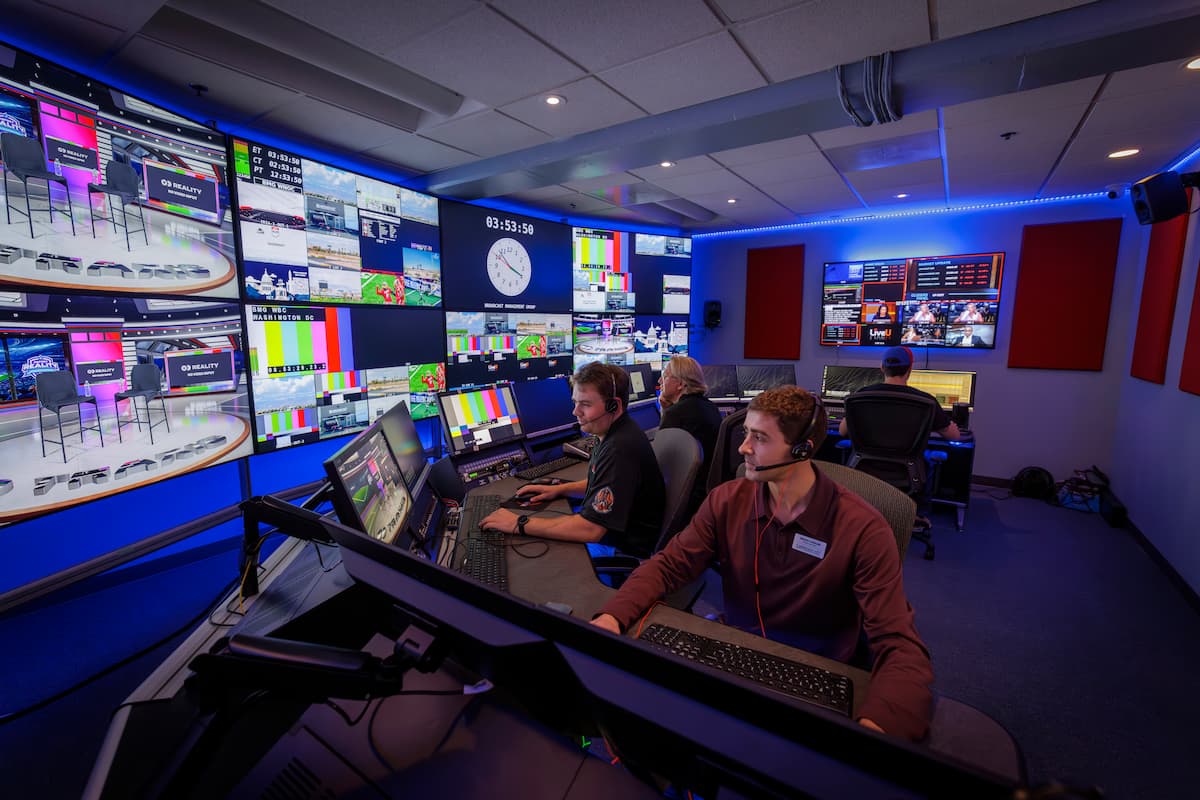
When BMG partnered with Blue Origin on the NS-32 mission, we executed one of the largest cloud-based REMI broadcasts ever deployed, all managed from BMG’s Network Operations Center in Washington, D.C.
The result was a 90% reduction in on-site production personnel and equipment compared to previous Blue Origin missions, while still delivering flawless, broadcast-quality coverage to audiences worldwide.
By reducing the on-site production footprint, the workflow lowered travel, logistics, and mobile unit requirements, resulting in production cost savings compared to a traditional broadcast model.
Here is why cloud-based live production has evolved into a reliable production model and how to avoid the mistakes when making the switch.
What Cloud-Based Live Production Actually Means
Cloud-based live video production means that camera feeds, switching, graphics, monitoring, and distribution are handled by cloud infrastructure rather than in traditional broadcasting trucks.
Modern cloud production environments can deliver full broadcast-quality outputs while allowing production teams to operate remotely from centralized control facilities.
It’s also important to understand the difference between cloud-assisted and cloud-native workflows.
Cloud-assisted productions may use cloud resources for specific functions while maintaining traditional production infrastructure.
Cloud-native workflows move the entire production into a cloud environment.
Understanding these differences is important when designing a production strategy.
Where Cloud Production Wins
Cloud production is effective when:
- Producing multiple live events simultaneously across different locations.
- Supporting enterprise clients that require broadcast-quality live events without maintaining a production department.
- Creating production environments for disaster recovery and business continuity.
- Delivering entertainment, fashion, and special events that require graphics and distribution without a large mobile production footprint.
Across industries, organizations are leveraging cloud production to increase flexibility, reduce infrastructure demands, and support growing production needs.
What Goes Wrong Without the Right Team
Successful cloud production depends on more than software and infrastructure.
Selecting the wrong cloud region, transport protocol, or network design can introduce delays that make live switching and communication difficult.
Another risk is inadequate monitoring. Without 24/7 oversight, signal correction, and transport issues may affect what the viewers see on-air.
Finally, workflow expertise matters. Even the best technology can fail if operators and engineers are unfamiliar with a live cloud-based environment under real production pressure.
The cloud does not manage itself. Reliable cloud production requires expert engineering, monitoring, and operational support.
Building the Next Generation of Broadcast Infrastructure
Cloud-based live production has become the infrastructure model for organizations that need flexibility, scalability, and reliability.
Broadcast Management Group designs, operates, and monitors cloud-based production workflows as a fully managed service, allowing clients to focus on producing content rather than managing technology.
See how BMG’s Cloud Control Center and 24/7 Network Operations Center deliver the monitoring, redundancy, and operational support that keep mission-critical productions on air.

Andrew Ryback is the Executive Vice President of Production. He brings over 17 years of experience in production management across live events, entertainment, and on-location shoots. He has managed production logistics for high-profile events, including The Emmys, The Oscars, TIFF, SXSW, Comic-Con, New York Fashion Week, Sundance, and both national political conventions. At BMG, he oversees complex productions from crew and equipment coordination to budgeting, permitting, and on-site execution.
About Andrew Ryback