Yes, one partner can design, build, and run your broadcast infrastructure end-to-end. The reason to want it is accountability.
When the designer, integrator, and operator are three different firms, every outage turns into a conversation about who was at fault for the failure. When one partner owns all three, it takes full accountability.
That model isn’t right for every operation. Here’s where split models break down, what end-to-end should include, and when it’s the wrong call.
Where the Hand-Offs Break
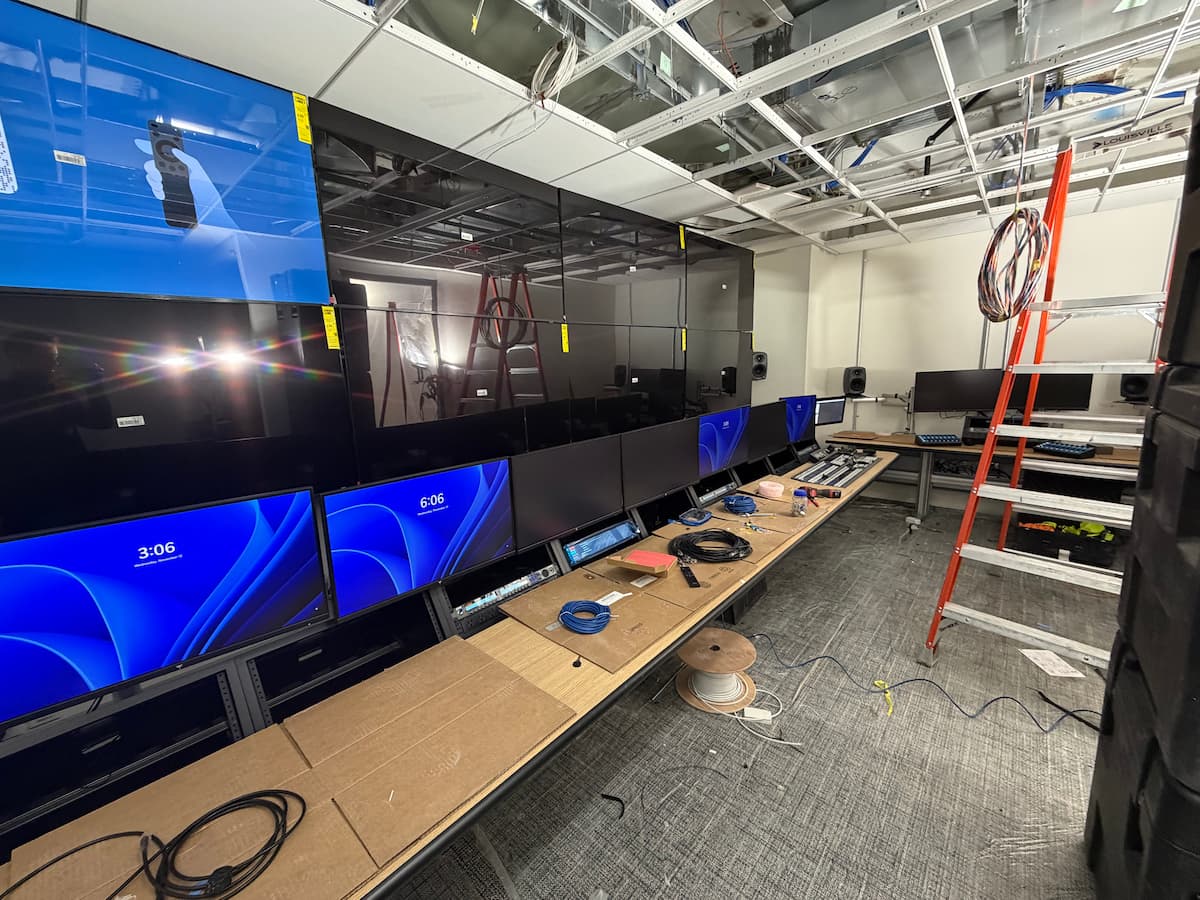
In a split model, the consultant designs to a spec, the integrator builds to drawings, and the operator inherits a plant they had no hand in designing.
Design intent gets lost at every handoff, and the operator may not know why a signal path was routed as it was, whether failover was tested under live load, or whether the as-built documentation matches what’s in the racks.
None of that shows up until something fails on air.
When it does, you’re managing three contracts, SLAs, and versions of the story, usually in the middle of the show.
What “End-to-End” Should Actually Include
The term end-to-end gets used loosely. A partner that owns the result should cover five stages:
- Strategy: Workflow assessment and system design before specifying any equipment.
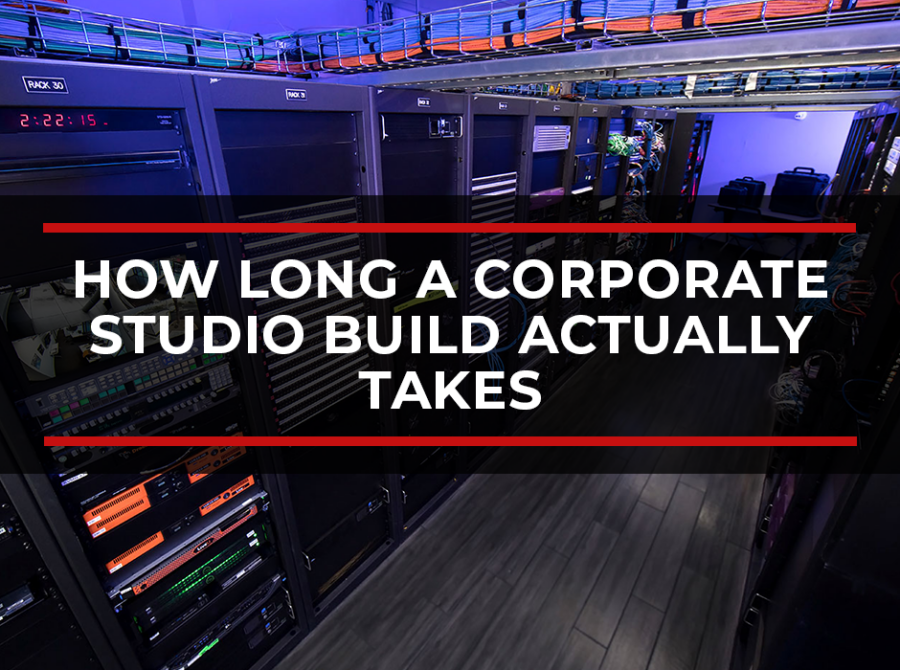
- Build: Systems integration, commissioning, and documentation that reflects what’s being installed.
- Staffing: Operators, engineers, and technical directors trained on the plant they’ll be running.
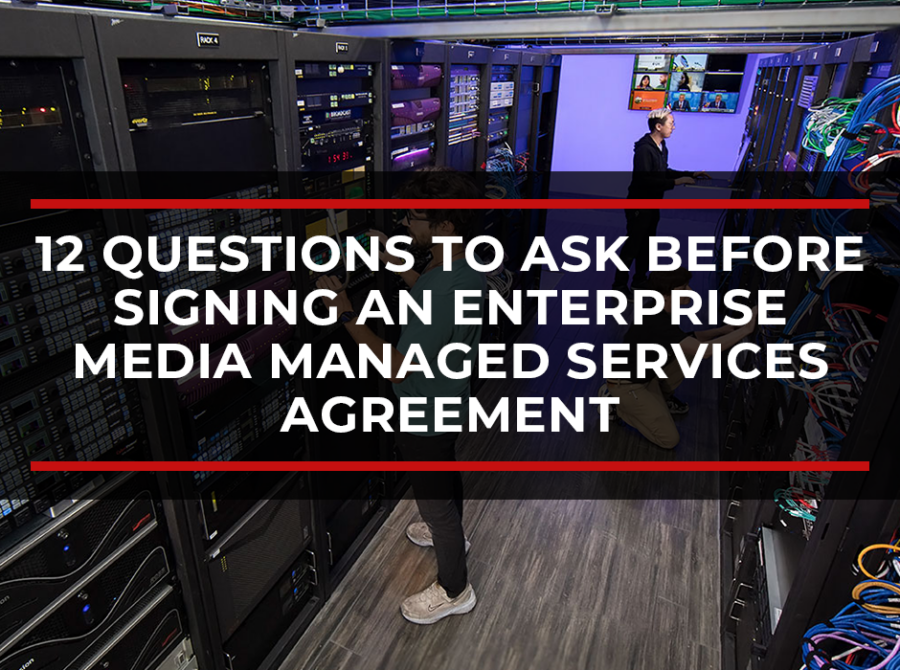
- Monitoring: 24/7 NOC coverage with ownership of signal health.
- Optimization: Ongoing updates to capacity, workflow, and technology as the operation grows.
This applies to any level of production, whether you’re running a 24/7 channel or an enterprise broadcast operation delivering programming to employees and investors.
The Schwab Network Case
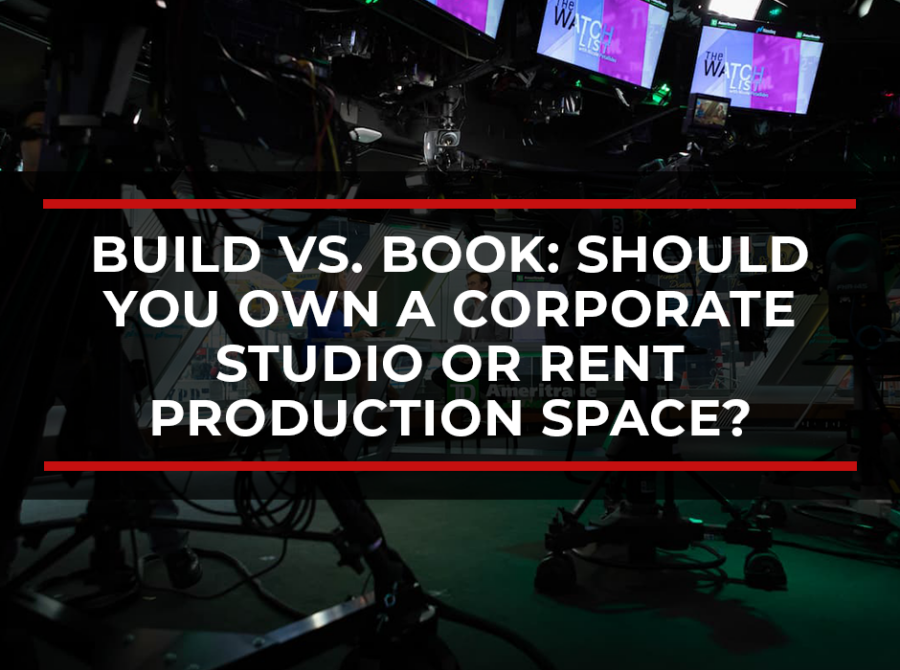
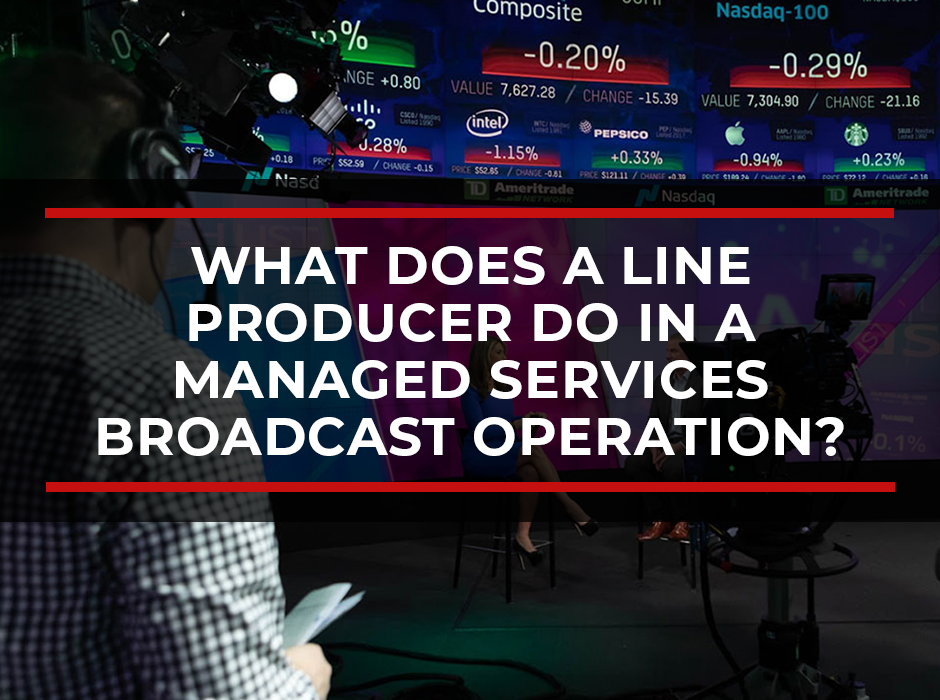
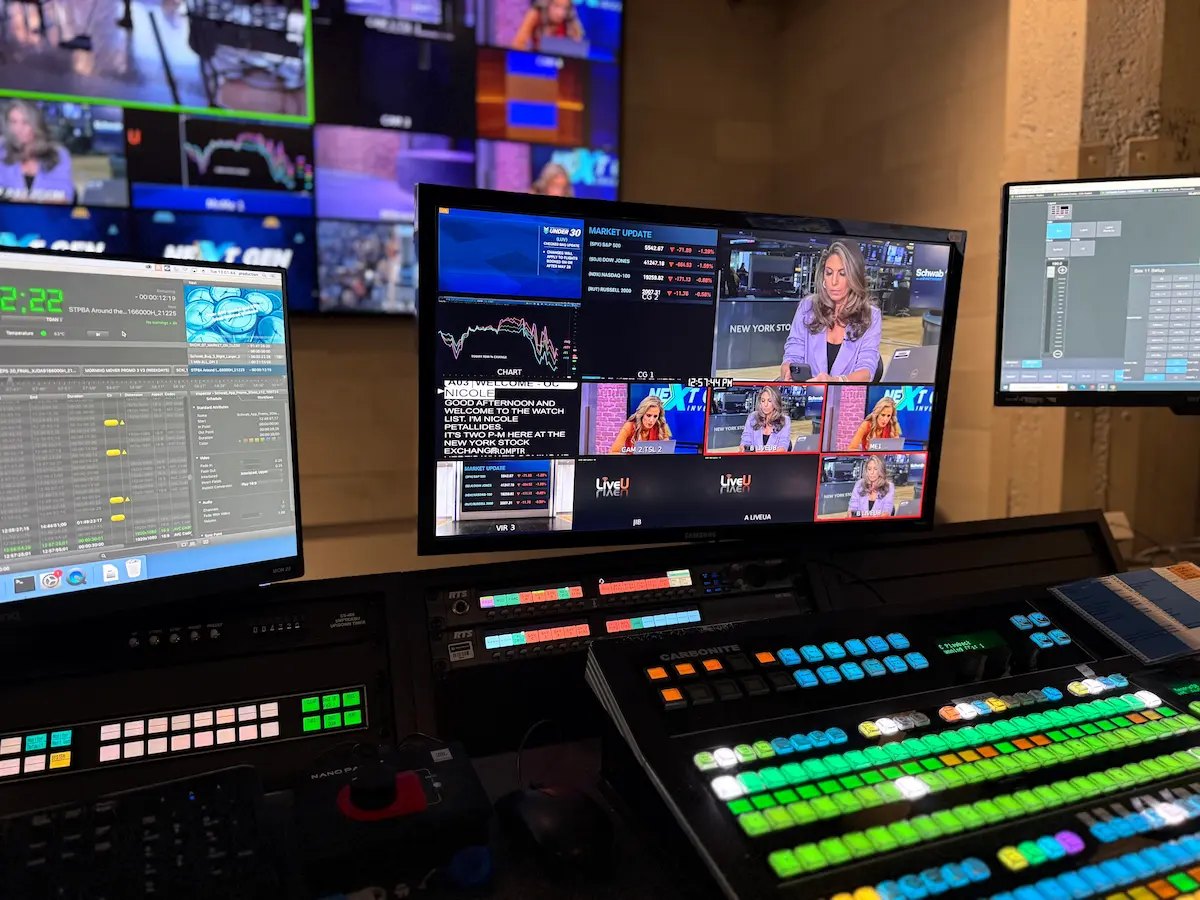
BMG has supported Schwab Network, formerly TD Ameritrade Network, since 2017. The work started with consulting, followed by the build in Chicago.
In 2021, an expansion doubled the network’s capacity. In 2024, BMG added a studio on the NYSE floor.
Throughout it all, BMG has also handled creative, staffing, and daily operations.
The network runs more than 1,800 live programs a year at 99.9% uptime. When it went through a full rebrand and relaunch, there was no downtime.
That’s what single-partner accountability looks like in practice. The team that designed the plant is the team running it, so a relaunch is an operational change that ran smoothly, by one partner.
When It’s the Wrong Model
An end-to-end model isn’t always the right call.
If you’re doing a one-off build and already have a strong in-house engineering and operations team, you don’t need a partner to run the plant. Instead, hire an integrator, insist on clean as-built documentation, and take the hand-off.
The end-to-end model is valuable when the operation is ongoing, growing, or thinly staffed compared to what it’s expected to deliver. That’s when the hand-off gaps cost the most.
How end-to-end broadcast management works, step by step, is on https://broadcastmgmt.com/managed-services/.

Todd Mason is the Chief Executive Officer of Broadcast Management Group (BMG), a broadcast infrastructure and media operations company helping define the next generation of television production, live media operations, and broadcast network infrastructure in North America.
About Todd Mason