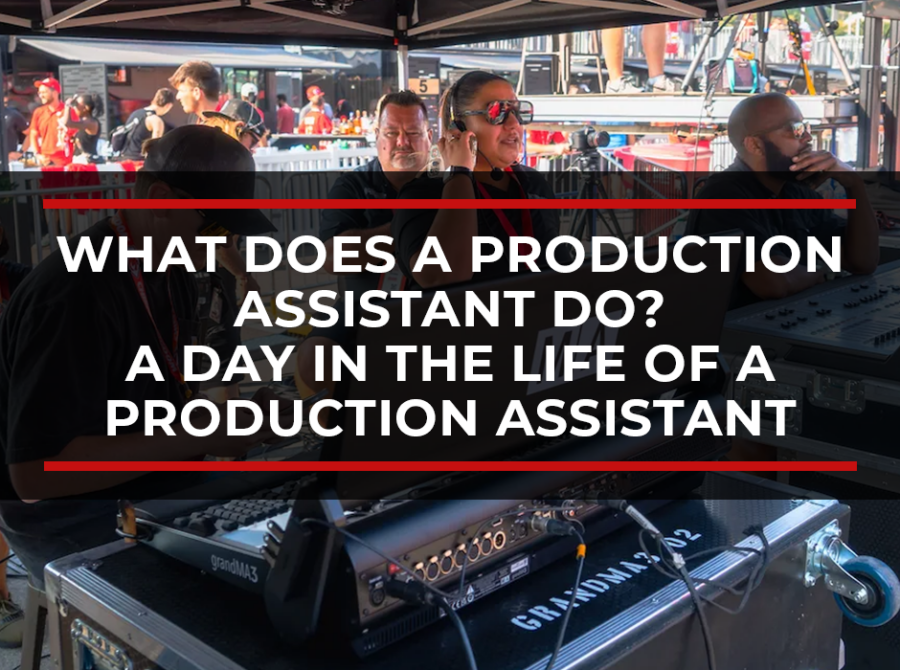
High-frame-rate sports coverage has raised the bar for what is acceptable in live production. Media rights holders, leagues, and esports organizers are expected to deliver near-zero latency, real-time graphics, and instant multi-angle replays in every production.
Traditional on-site infrastructure doesn’t have the scalability to meet this expectation. However, hybrid cloud production does, giving organizations the transmission speed, processing power, and centralized control to expand their production capabilities without expanding their physical footprint.
The Real-Time Pressure Points in Sports Production
Rights holders and leagues are expanding coverage faster than traditional infrastructure can keep up, with more games, camera angles, and markets simultaneously. High-frame-rate capture adds to this load, pushing more data through the signal chain at each stage.
Viewers no longer tolerate lag the way they used to. A few seconds of delay can mean that a fan gets a score notification on their phone or a bettor’s odds shift before it happens on their screen. This latency creates a trust problem between the viewer and the broadcaster.
Esports adds its own layer of complexity to the mix. Viewers are tuning in worldwide, matches are running simultaneously across regions, and in-game data overlays have to sync with the stream in real time. The broadcast demands of esports now rival traditional broadcast, without the traditional broadcast infrastructure to support them.
What Low-Latency Transmission Requires at Scale
Getting a high-frame-rate feed to viewers without any delay begins with the transport layer. IP-based protocols like SRT, RIST, and ST 2110 have replaced satellite and legacy paths because they move video faster and with more flexibility to solve problems in real time.
Redundancy is just as important as speed. A single transmission path is a single point of failure, and in live sports, a dropped feed during a scoring play is unrecoverable. Redundant pathways protect the feed against this without adding the delay that traditional failover methods can introduce.
Encoding and decoding have to keep pace with the frame rate. High-frame-rate content pushes more data through the broadcast, and any inefficiencies show up as buffering the viewer can see.
Latency budgets also aren’t a one-size-fits-all. A linear broadcast can tolerate a few seconds of delay that a live betting feed can’t. Cloud-assisted, IP-native transmission gives rights holders the flexibility to tune latency by use case.

Real-Time Graphics Insertion in a Cloud Workflow
Graphics used to live on dedicated hardware sitting in a truck or control room on-site. Cloud-based graphics have moved that function off-site, letting a centralized team deliver branding, scores, and stats across multiple feeds without having separate hardware at every location.
This matters most when data has to sync with video in real time. Live stats, odds, and scores need to land on screen instantaneously, not a few seconds behind. Cloud-based graphics workflows keep this sync tight even when the production team is nowhere near the venue.
This also solves the consistency problem that grows with scale. When a rights holder or a league is covering multiple events at once, a centralized graphics workflow keeps the branding and presentation standard the same across every feed.
Multi-Angle Instant Replay Without the Infrastructure Overhead
Replay used to require a dedicated operator and a full EVS-equivalent setup at each venue. Cloud-assisted replay systems change this by letting a centralized team pull, cut, and deliver replay from any angle without duplicating infrastructure on-site.
Centralizing replay also means one hub can support multiple events at once. Instead of staffing a full replay team at each event, replay can be run for several simultaneous events from a single crew.
However, this does create more data. Every additional camera adds bandwidth and processing load, so it’s crucial to balance camera count against the latency and bandwidth constraints already in the transmission layer. The goal is to deliver the right angles at the right time.
Why Cloud-Assisted Production Is the Answer
Everything that has been covered thus far points to using remote production as the operational model. Keeping the control room off-site and the on-site footprint lean is what makes all of this possible in the first place.
This model also makes it possible to scale sports coverage the way it needs to be to meet production demands. Adding a camera, feed, or entire event is made possible by extending the workflow that’s already centralized.
A centralized NOC ties it all together, giving rights holders and leagues one point of oversight across every event instead of having a separate operation to monitor at each location.
Case Study: The Pro Tour
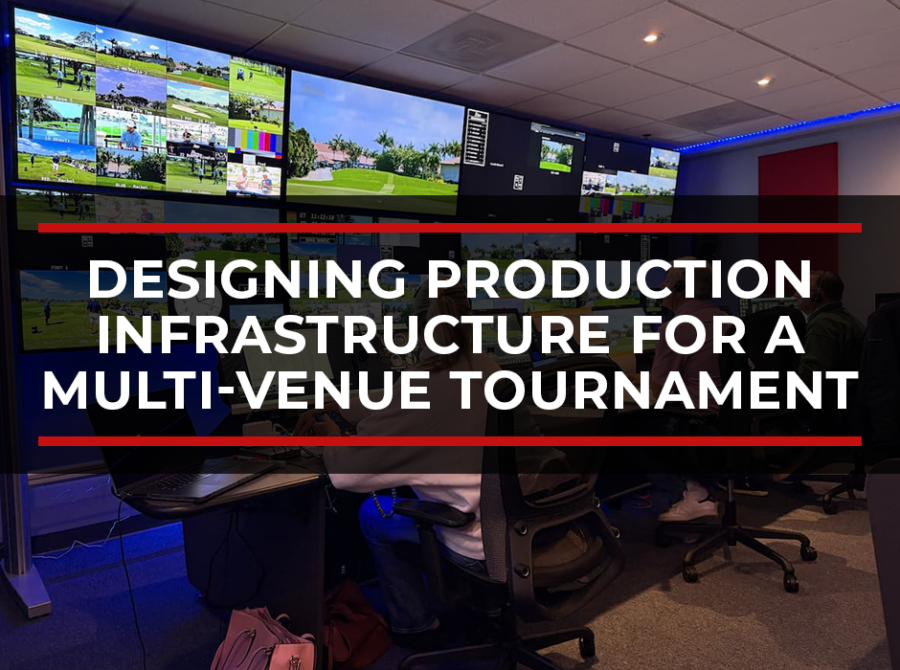
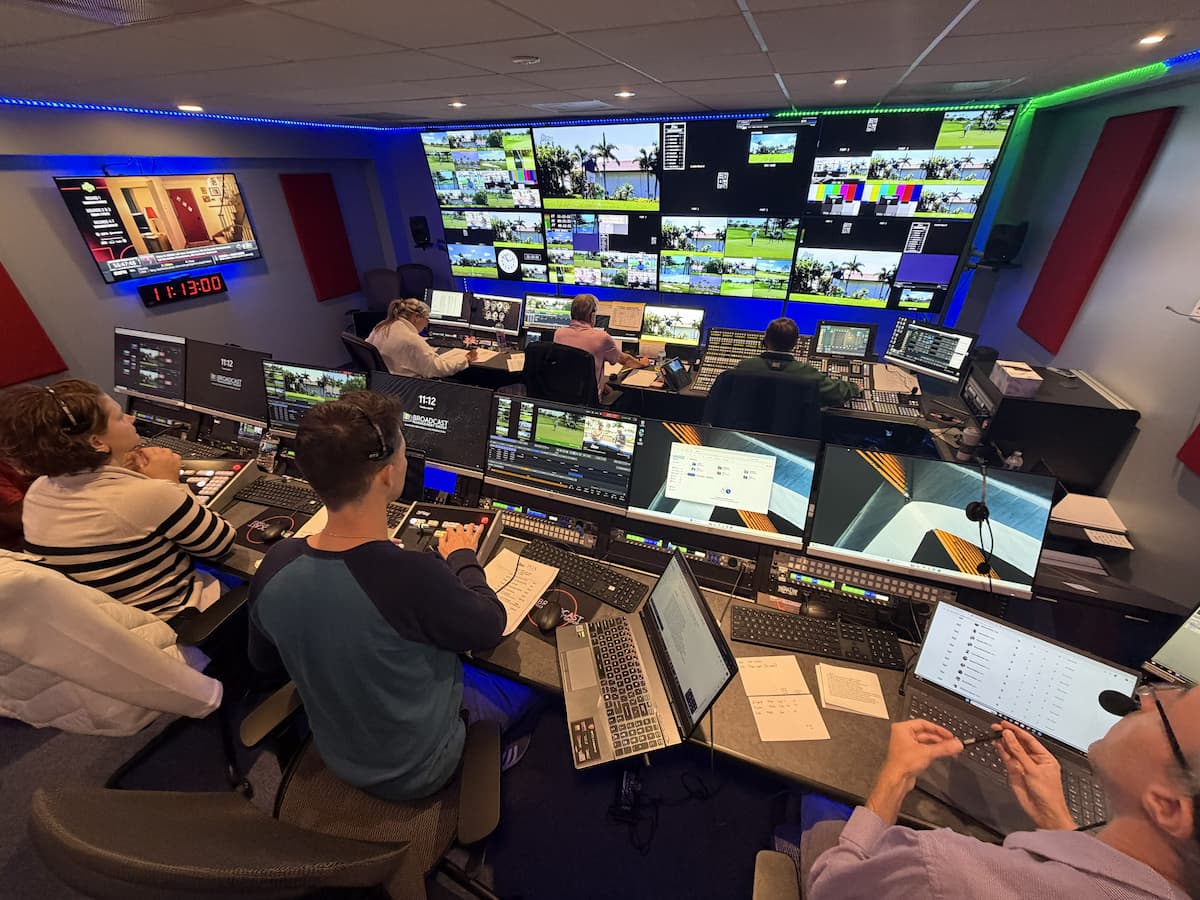
BMG’s work with The Pro Tour, a new professional golf series, shows this model in practice. Golf is one of the most difficult sports to produce this way because the field of play spans the entire course and the series moves to a different venue for every event.
Instead of laying fiber at each course, BMG built the workflow around wireless transmission, using bonded cellular units and Starlink dishes to send a live feed directly to the NOC in Washington, DC. Production was centralized from there through REMI workflows, with switching graphics and monitoring handled by a decentralized crew connected via low-latency multiviews and remote access.
This resulted in a repeatable production model using 11 cameras and 6 drones per show, scaling up or down with the needs of each venue without rebuilding infrastructure each time. This gave the series real-time content turnaround alongside the live broadcast.
Built for Scale, Built for Live
High-frame-rate sports coverage isn’t slowing down, and neither are the expectations attached to it. Low latency, real-time graphics, and instant replay are outcomes of a centralized, cloud-assisted production model built to scale.
BMG brings that architecture through its 24/7 Cloud Network Operations Center, REMI Production capabilities, and IP & Cloud Workflows expertise, giving media rights holders, leagues, and esports organizers a partner built for the demands of live sports coverage.

Todd Mason is the Chief Executive Officer of Broadcast Management Group (BMG), a broadcast infrastructure and media operations company helping define the next generation of television production, live media operations, and broadcast network infrastructure in North America.
About Todd Mason