Broadcast organizations are rethinking how they build and manage production infrastructure. As live programming expands across television, streaming platforms, and digital channels, organizations are evaluating traditional systems against virtualized infrastructure and cloud-based broadcast solutions.
Both approaches offer advantages, but the right choice depends on production requirements, operational complexity, scalability, and long-term costs. Understanding the differences between virtualized infrastructure and purpose-built hardware can help broadcasters make informed decisions about how to support reliable, efficient media operations.
What Is Virtualized Broadcast Infrastructure?
Virtualized infrastructure runs broadcast applications on shared computing resources instead of relying solely on dedicated hardware. These resources can operate in a private data center, public cloud, or hybrid environment.
Broadcasters can run media management, recording, playout, and monitoring applications on virtual machines or containers, reducing the need for separate physical systems.
Key advantages include:
- Scalability: Adjust resources as workloads and channel requirements change.
- Resource efficiency: Share computing resources across multiple applications.
- Remote production accessibility: Give authorized teams access to centralized systems from different locations.
- Simplified expansion: Deploy new workflows without adding dedicated equipment for every function.
- Centralized management: Manage distributed operations through a common infrastructure.
Virtualization still requires careful engineering. Network performance, processing capacity, storage, redundancy, and monitoring remain essential, and some workloads require specialized hardware.
What Is Purpose-Built Broadcast Hardware?
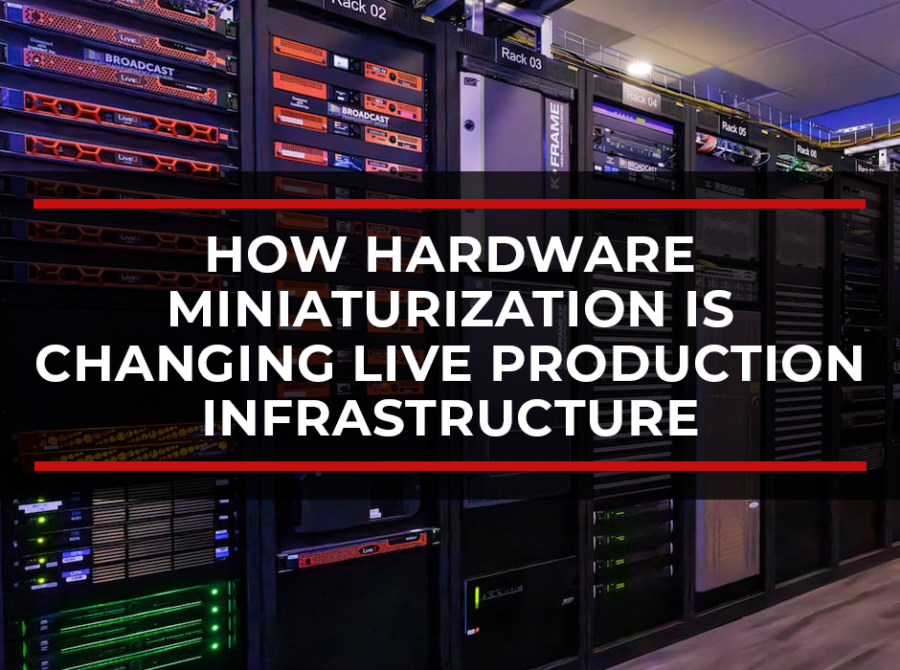
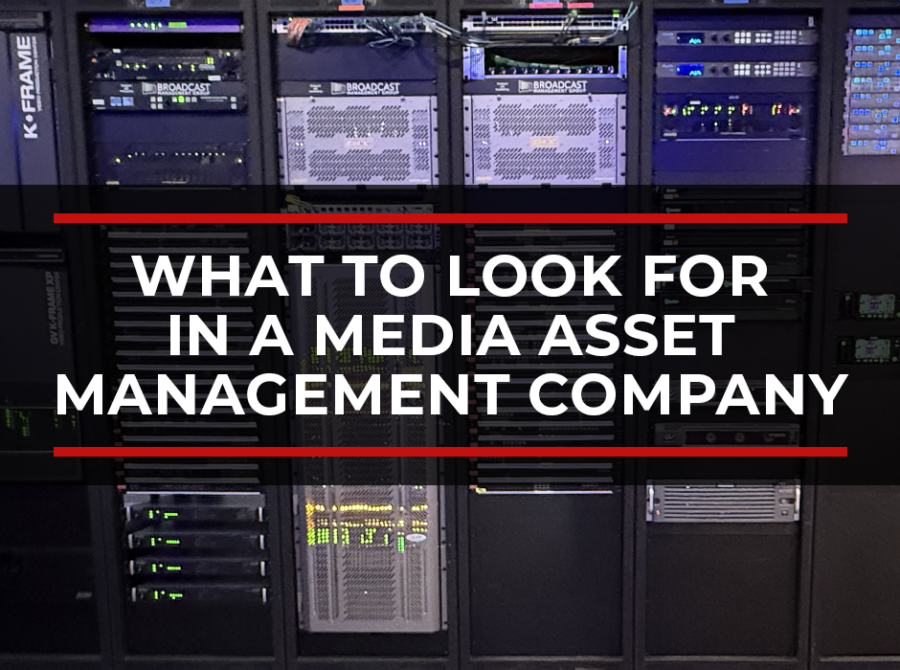
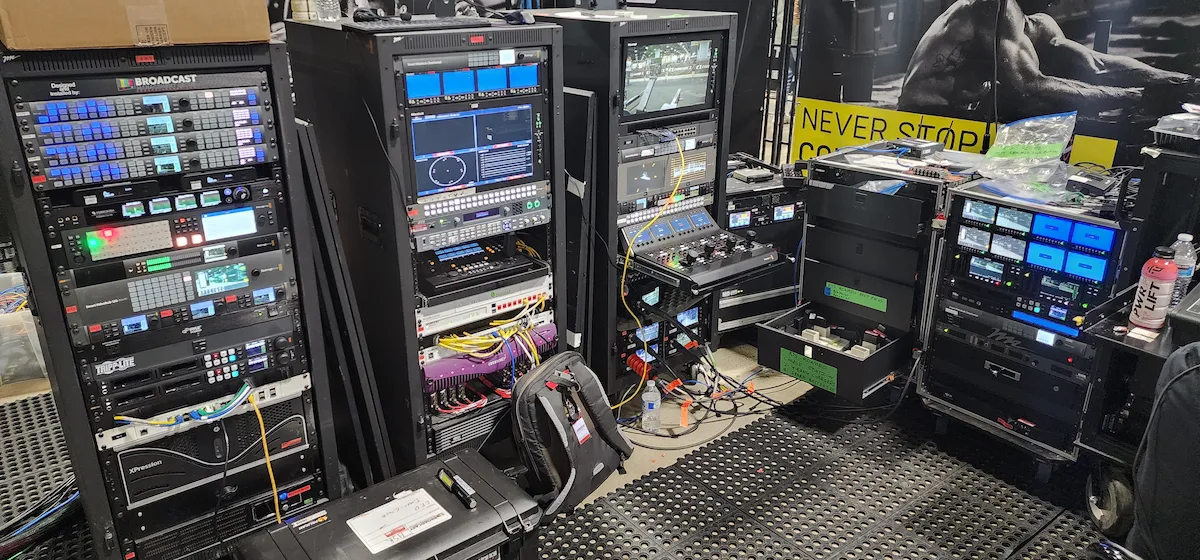
Purpose-built broadcast hardware includes physical equipment designed for specific production and transmission tasks, such as video routers, production switchers, encoders, decoders, and playout systems.
These systems deliver dedicated processing, specialized connectivity, and predictable performance for demanding broadcast workflows.
Key advantages include:
- Predictable performance: Provide consistent processing for defined workloads.
- Specialized functionality: Support broadcast-specific interfaces, formats, and signal processing.
- Low-latency processing: Handle time-sensitive audio and video workflows.
- Operational familiarity: Leverage existing equipment, engineering expertise, and established procedures.
However, purpose-built hardware can require significant investment in procurement, installation, maintenance, and physical space. Expanding capacity may also mean purchasing additional equipment and upgrading facilities.
Virtualized Infrastructure vs. Purpose-Built Hardware: Key Differences
The main difference is how computing resources and broadcast functions are delivered. Virtualized infrastructure emphasizes software-defined capabilities and shared resources, while purpose-built hardware provides dedicated equipment designed for specific functions.
| Consideration | Virtualized Infrastructure | Purpose-Built Hardware |
|---|---|---|
| Deployment | Software deployed on shared or allocated computing resources | Dedicated physical equipment |
| Scalability | Resources can often be expanded or reallocated through software and infrastructure changes | Expansion may require additional equipment |
| Performance | Depends on workload, resource allocation, network design, and system architecture | Can provide predictable performance for defined workloads |
| Connectivity | Often relies on IP networks and supported software interfaces | May include dedicated SDI, IP, audio, and other broadcast connections |
| Maintenance | May centralize software updates and infrastructure management | Can require equipment-specific servicing and replacement |
| Space requirements | Can reduce the need for dedicated appliances, depending on the design | Requires physical equipment and supporting infrastructure |
| Best fit | Flexible, distributed, and evolving workflows | Specialized processing and established signal-chain requirements |
Neither approach is universally superior. The best architecture depends on the specific functions being performed, the reliability requirements of the operation, and how the systems must integrate with existing infrastructure.
Cost, Scalability, and Long-Term Operations
Beyond initial equipment costs, broadcasters should consider engineering, maintenance, power, licensing, connectivity, and future expansion.
Purpose-built hardware can be cost-effective for stable workflows requiring dedicated processing, but expanding or replacing equipment can become expensive as needs change.
Virtualized infrastructure offers flexibility by allowing resources to be shared and adjusted across applications. However, costs depend on utilization, licensing, and infrastructure requirements. Cloud-based systems also introduce bandwidth, storage, and data transfer expenses.
Reliability and Redundancy in Live Broadcast Operations
Live broadcasts require reliable performance, continuous monitoring, and fast recovery when systems fail. Both purpose-built hardware and virtualized infrastructure can support redundancy, but reliability depends on the overall system design, connectivity, storage, and operational support.
A 24/7 Network Operations Center (NOC) adds another layer of oversight, helping identify issues, coordinate troubleshooting, and maintain continuity across production and distribution workflows.
Why Hybrid Broadcast Infrastructure Is Gaining Attention
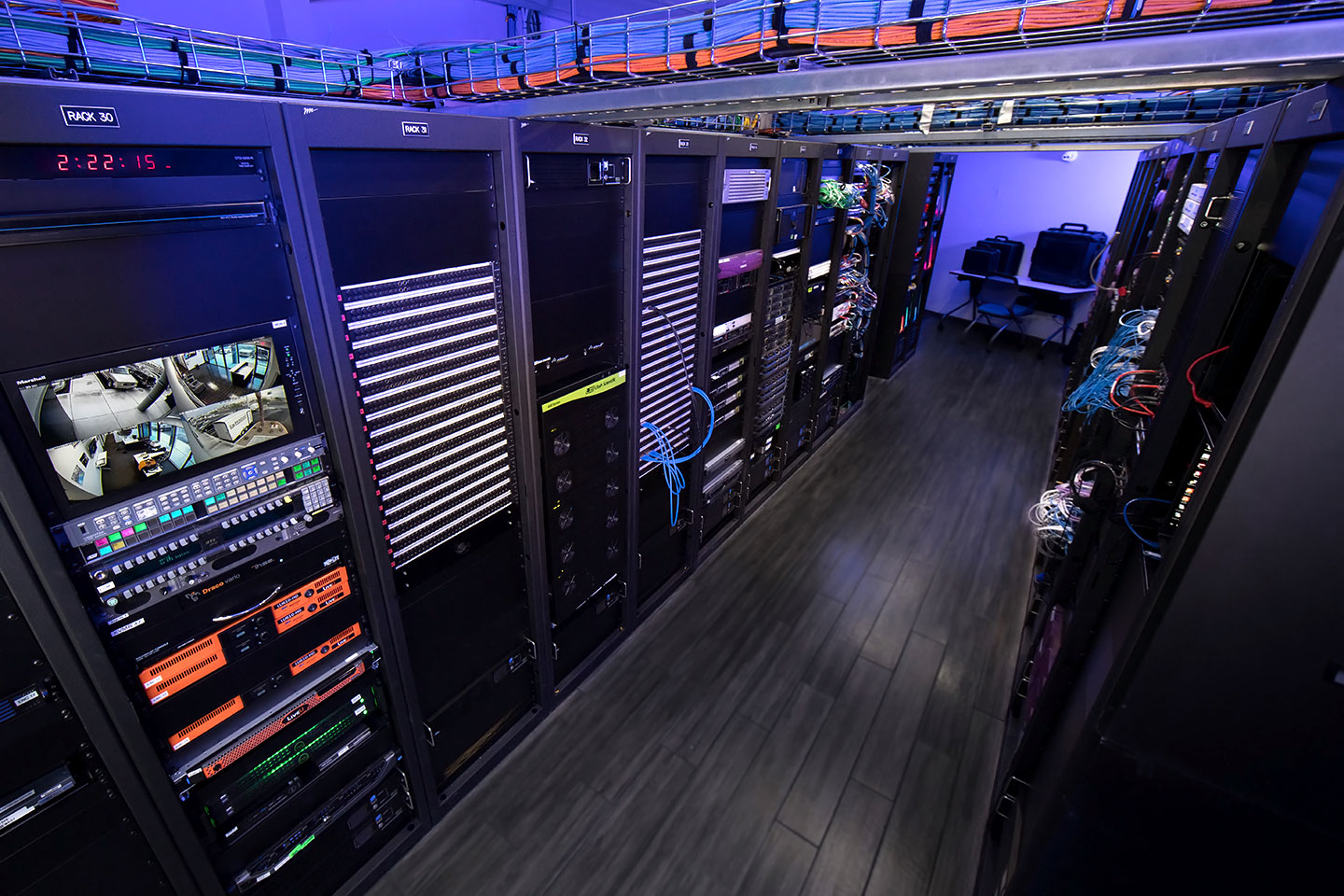
Broadcasters don’t have to choose between virtualized infrastructure and purpose-built hardware. A hybrid approach combines both, allowing each workload to run where it performs best.
For example, organizations can retain dedicated hardware for specialized signal processing while using virtualized systems for media management, recording, and monitoring. This approach supports modernization without requiring a complete infrastructure replacement.
The right mix depends on each workflow’s latency, connectivity, security, redundancy, and integration requirements.
How BMG Supports Flexible Broadcast Infrastructure
Broadcast Management Group (BMG) helps organizations design and operate broadcast infrastructure around their production requirements. Through broadcast consulting, engineering, managed services, and centralized technical support, BMG helps clients evaluate how existing equipment, software-based systems, and distributed production resources can work together.
BMG’s private, multi-tenant Cloud Control Center™ and 24/7 Broadcast NOC support centralized infrastructure and operational oversight. Media Command™, BMG’s cloud-based media operations platform, brings media management, recording, playback, playout, quality control, and archiving into a connected workflow. This helps organizations manage media operations without relying on disconnected systems for every function.
Organizations evaluating virtualized infrastructure, purpose-built hardware, or a hybrid approach aim to identify an architecture that meets performance and reliability requirements while supporting future growth.
Choosing the Right Broadcast Infrastructure
Virtualized infrastructure offers flexibility, centralized management, and opportunities to scale software-based workflows. Purpose-built hardware remains valuable for specialized processing, predictable performance, and established broadcast signal chains.
For many organizations, the most effective solution combines both approaches. By assessing technical requirements, existing investments, operational support, and long-term costs, broadcasters can build infrastructure that meets today’s demands without limiting future options.
Planning a broadcast infrastructure upgrade? Broadcast Management Group can help evaluate your existing systems, identify opportunities for modernization, and develop a practical approach to reliable, scalable media operations.
Explore BMG’s broadcast consulting services to discuss your infrastructure requirements and next steps.

Todd Mason is the Chief Executive Officer of Broadcast Management Group (BMG), a broadcast infrastructure and media operations company helping define the next generation of television production, live media operations, and broadcast network infrastructure in North America.
About Todd Mason