Enterprise media organizations are being asked to distribute more content to more places than ever before.
A single program, live event, or channel may need to reach linear broadcast, OTT platforms, FAST channels, social channels, owned digital properties, partner platforms, internal portals, and regional audiences. Each destination may have different technical specs, timing requirements, branding needs, graphics packages, ad rules, captions, metadata, and monitoring expectations.
That complexity adds up quickly.
What once may have been a single feed delivery workflow can become dozens or even hundreds of outputs, each with its own schedule, format, destination, and operational risk.
For enterprise media organizations, scaling distribution isn’t just about having enough bandwidth or enough encoders. It requires a centralized operational model that can manage multiple feeds, formats, regions, and platforms without losing control of the content.
That’s where managed services become critical.
The Challenge of Multi-Format Feed Delivery
Multi-format distribution doesn’t just mean sending the same feed to more destinations.
Each output may need to be packaged, scheduled, branded, monitored, or delivered differently depending on the platform or audience.
A media organization may need to manage:
- Primary linear feeds
- Regional broadcast feeds
- OTT streams
- FAST channel feeds
- Social livestreams
- Internal enterprise streams
- Partner platform feeds
- Time-shifted feeds
- On-demand files
- Highlight clips
- Localized versions
- Backup streams and failover paths
Each version introduces new operational questions.
Is the right feed going to the right destination? Is the correct branding package applied? Does this region need a time-zone delay? Are captions and audio tracks correct? Is the delivery path being monitored? Who responds if the stream fails? What happens if a CDN has an issue? How quickly can the team confirm that every endpoint is receiving the correct signal?
As the number of feeds grows, the risk becomes operational, not just technical.
Without a centralized workflow, teams can end up managing distribution through disconnected tools, manual handoffs, spreadsheets, one-off processes, and separate vendor relationships. That may work for a small number of outputs, but it becomes difficult to scale.
Why Centralized Managed Operations Matter
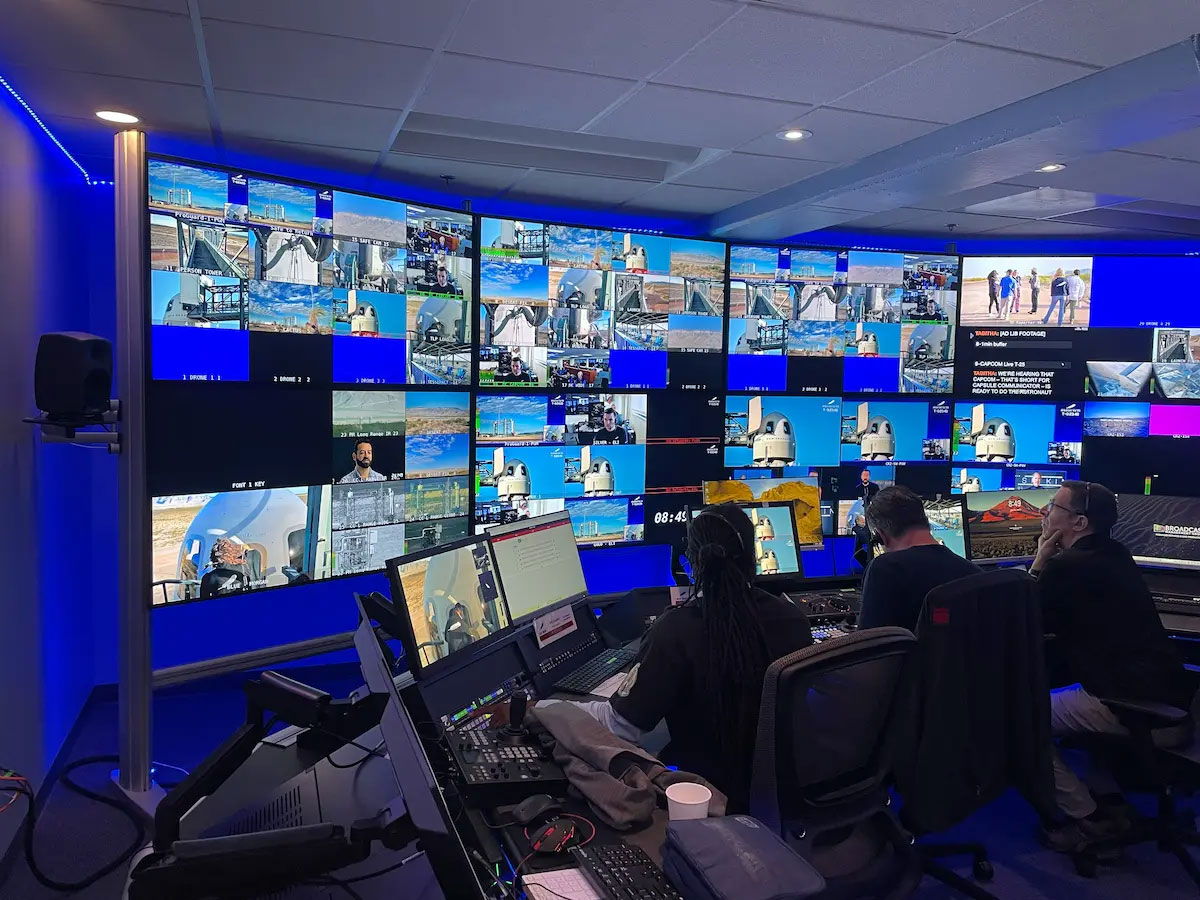
A centralized managed operations model gives enterprise media organizations one coordinated environment for managing feed delivery.
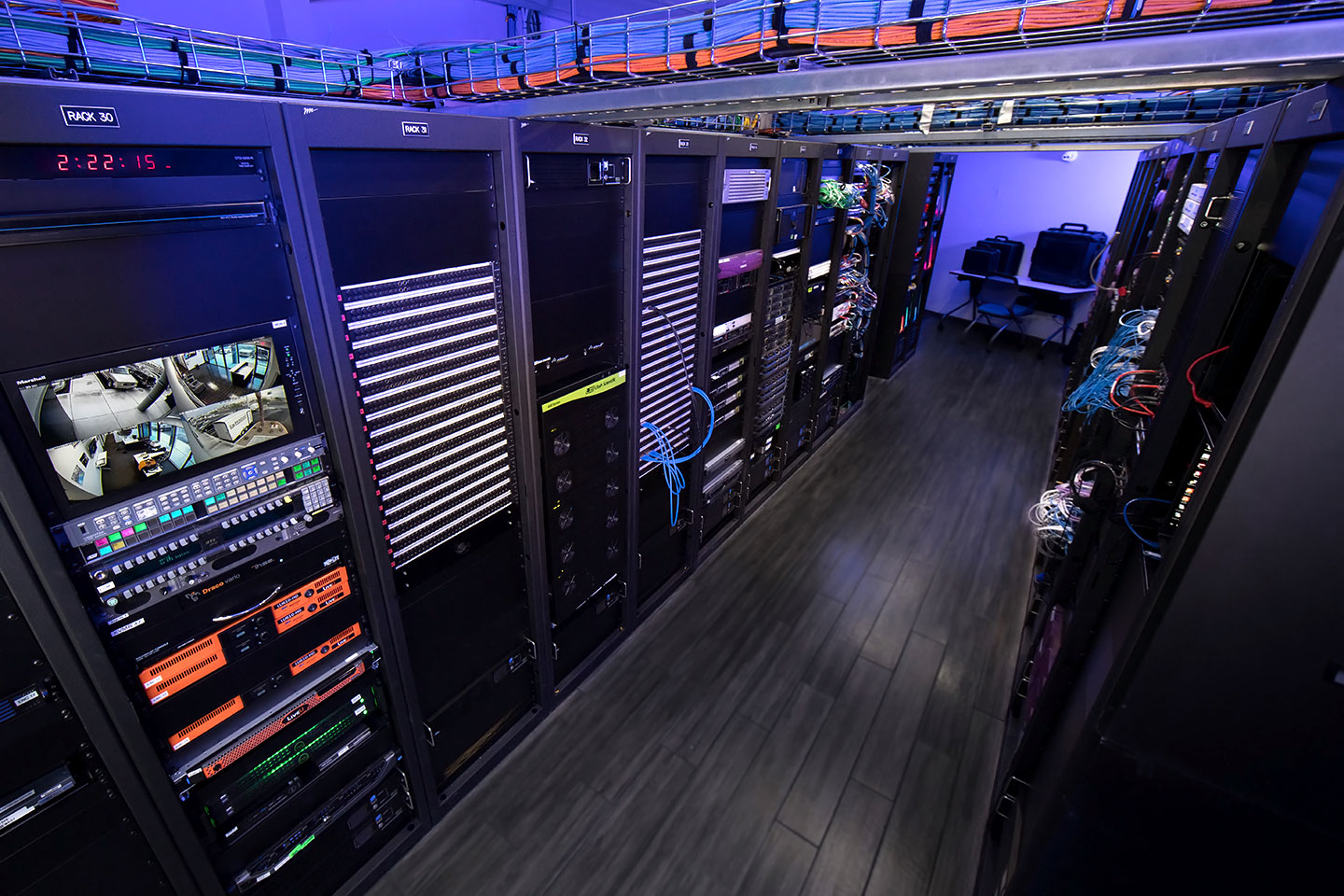
Instead of treating every output as a separate project, a managed services team can organize the workflow around shared infrastructure, defined operating procedures, live monitoring, escalation paths, and consistent technical standards.
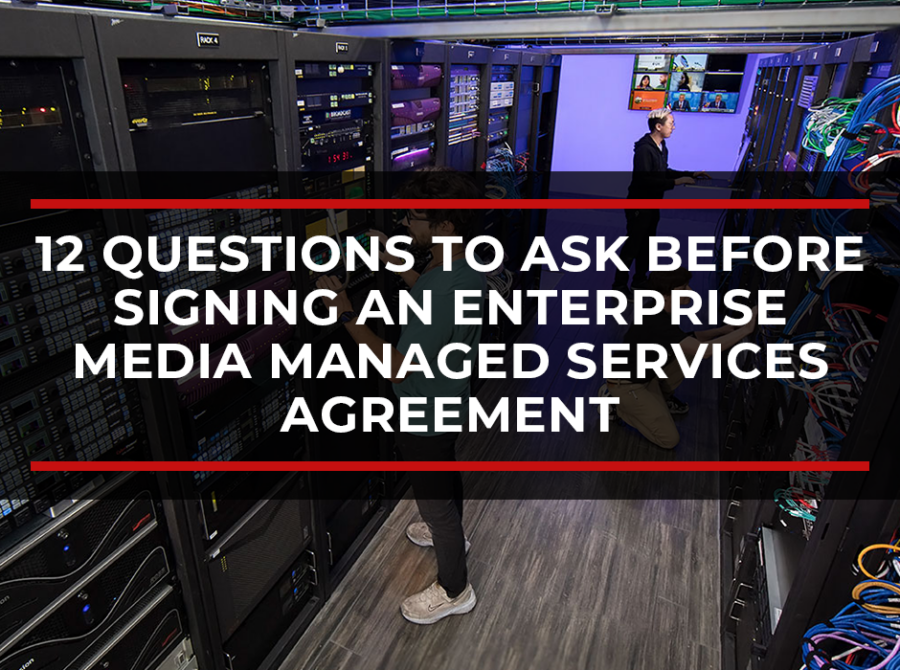
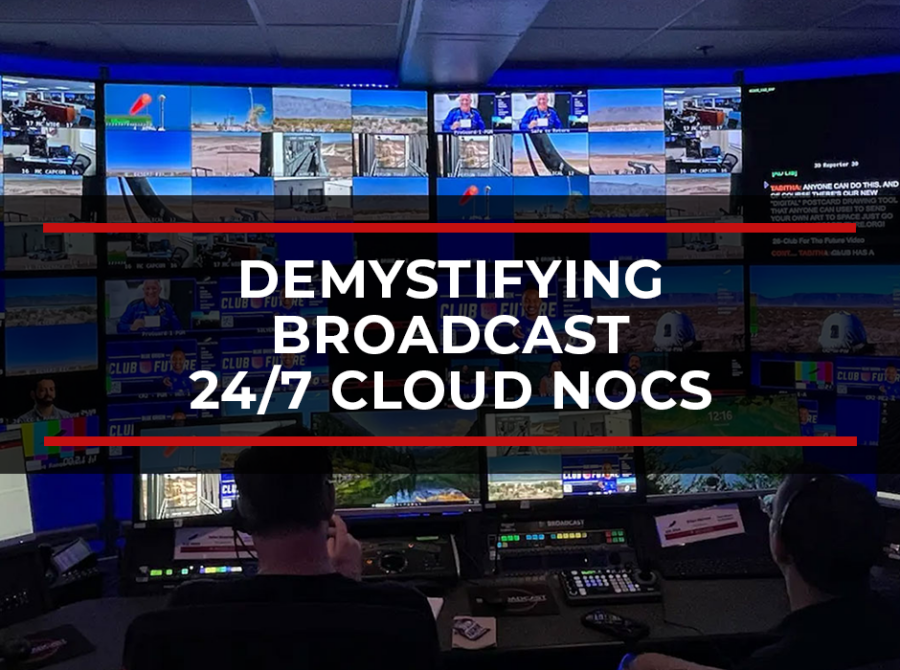
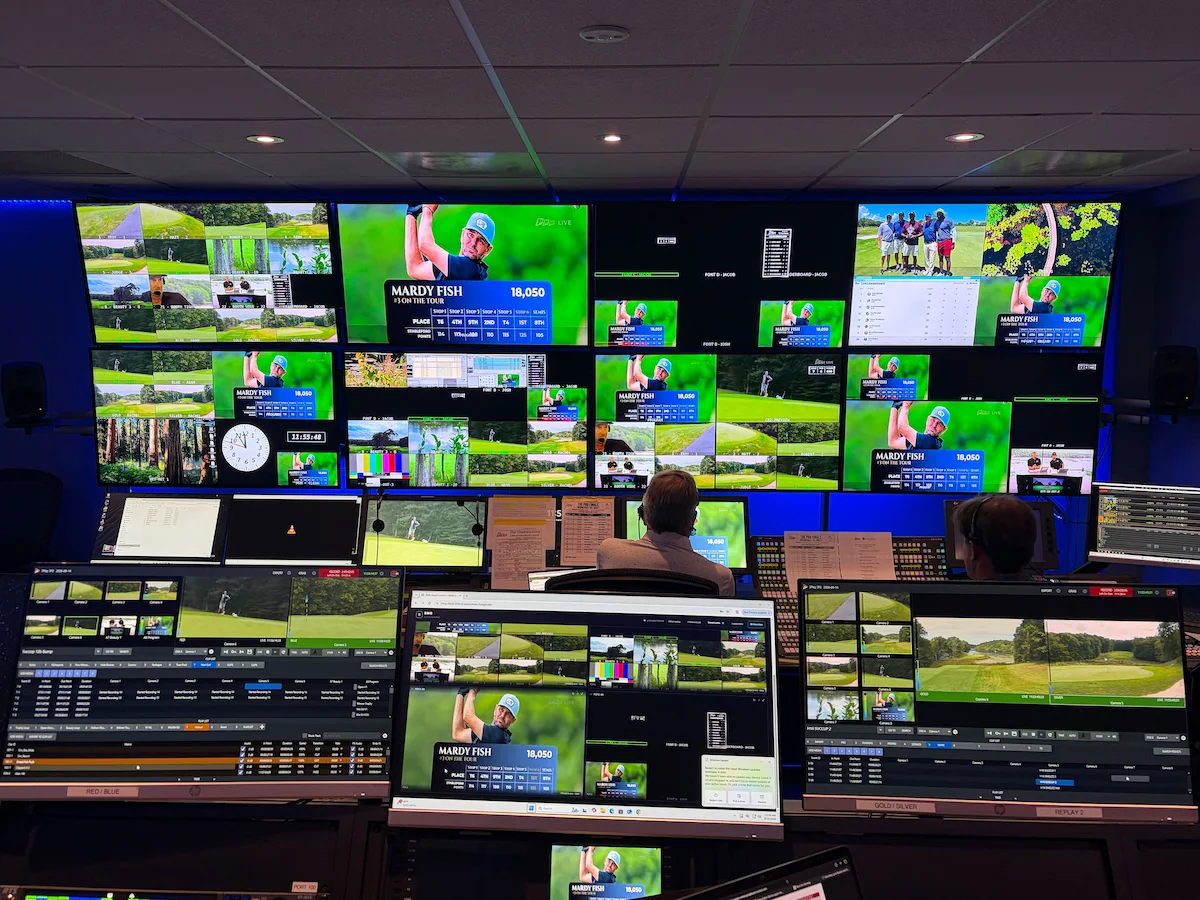
For many enterprise media organizations, the Network Operations Center becomes the operational hub behind that model. It gives operators and engineers a centralized environment to monitor feeds, playout, transmission, stream health, delivery paths, and active issues in real time.
That visibility matters when one piece of content is being delivered in multiple formats across multiple platforms. Instead of troubleshooting each output in isolation, the NOC helps bring monitoring, escalation, and technical support into one coordinated operation.
That can include:
- Feed routing
- Master control
- Playout
- Encoding
- Transmission
- Quality control
- Media asset management
- Live monitoring
- Graphics insertion
- Regional versioning
- Time-zone shifting
- Multi-CDN delivery
- Backup stream management
- Issue escalation
- Post-event content workflows
The value is that the workflow becomes repeatable.
A centralized team knows what’s supposed to happen, when each feed needs to go live, where each version is going, what technical requirements apply, what backup paths exist, and who’s responsible when something changes.
That level of operational control becomes especially important for organizations managing recurring programming, always-on channels, regional feeds, or large content libraries that need to move across multiple platforms.
Workflow Automation Reduces Manual Risk
As distribution scales, manual processes become harder to manage.
If every file movement, playout schedule, graphics change, metadata update, stream destination, and regional version depends on someone manually checking a document or moving assets by hand, the workflow becomes fragile.
Managed services can help reduce that risk by standardizing and automating repeatable parts of the distribution process.
That may include:
- Automated playout schedules
- Feed routing rules
- File ingest workflows
- Metadata handling
- Quality control checks
- Graphics triggers
- Content packaging
- Archive workflows
- Platform-specific delivery rules
- Alerts for missed files, failed streams, or incorrect outputs
Automation doesn’t replace experienced operators; it gives them a stronger system to manage.
The best distribution workflows combine automation with human oversight. Routine tasks are handled consistently, while the operations team can focus on monitoring, exceptions, troubleshooting, escalation, and live support.
That balance matters because distribution is never completely static. Schedules change. Live events run long. Files arrive late. Graphics need to be updated. A platform may have a delivery issue. A regional feed may need a last-minute adjustment.
A managed operations team gives organizations the structure to handle those changes without rebuilding the workflow every time.
Time-Zone Shifting and Regional Feed Management
For organizations distributing content across regions, timing becomes one of the biggest challenges.
A program that airs live in one market may need to air later in another. A global event may need different start times for different audiences. A channel may need region-specific schedules, alternate promos, localized slates, or delayed playout windows.
Time-zone shifting allows media organizations to create regional viewing experiences without producing every feed from scratch.
Managed services can support this through workflows for:
- Delayed playout
- Regional schedules
- Alternate feed versions
- Localized slates
- Region-specific promos
- Different ad loads
- Captioning and audio requirements
- Platform-specific delivery windows
- Replay and archive management
The goal is to make each version feel intentional.
A time-shifted or regional feed shouldn’t feel like a copied feed pushed into another market. It should have the right timing, branding, technical format, and delivery path for the audience receiving it.
That requires planning, infrastructure, monitoring, and a team that understands how each feed fits into the larger distribution operation.
Localized Branding and Graphics Insertion
Localization doesn’t always mean changing the entire program.
In many cases, it means making the right changes at the right points in the feed.
That may include:
- Regional bugs
- Lower thirds
- Sponsor graphics
- Market-specific end cards
- Channel IDs
- Compliance graphics
- Local language elements
- Event branding
- Platform-specific overlays
- Promos or slates for different audiences
When an organization is managing multiple versions of a feed, version control becomes critical.
The wrong graphic, slate, bug, or lower third can make a feed feel mismanaged, even if the video and audio are technically stable.
A centralized managed operations team can help ensure that the correct branding elements are inserted into the correct output at the correct time. That includes managing graphics packages, confirming version accuracy, coordinating timing, and monitoring the feed as it goes out.
For enterprise media organizations, this is where distribution becomes part of brand control.
The audience may never see the operational workflow behind the feed, but they will notice if the experience feels inconsistent, outdated, or incorrect.
Multi-CDN and Platform Delivery Management
The final delivery path is another place where complexity builds quickly.
Enterprise media organizations often need to distribute content across multiple CDNs, owned platforms, social channels, OTT apps, FAST platforms, partner destinations, private event pages, or internal systems.
Each platform may have its own requirements.
One destination may require a specific bitrate ladder. Another may need a different stream format. A partner platform may have its own delivery window. A social platform may need a separate stream key. An internal enterprise platform may require authentication, security coordination, or private access.
A managed services model can support this by centralizing delivery management.
That can include:
- Encoding and packaging
- Multi-destination delivery
- Multi-CDN management
- Backup stream creation
- Stream health monitoring
- Platform-specific testing
- Failover coordination
- Real-time troubleshooting
- Escalation with platform partners
- Post-event reporting
This matters because viewers only see whether the content works.
Behind the scenes, the operation may involve multiple encoders, CDNs, destinations, monitoring tools, backup paths, and technical teams working together to keep the experience stable.
The larger the distribution footprint becomes, the more valuable centralized monitoring and escalation become.
Why Managed Services Matter for Enterprise Media Teams
Scaling global distribution isn’t just a technology problem.
It’s a staffing, operations, monitoring, and workflow problem.
Enterprise media teams may have the content, brand, and audience strategy in place, but not always the internal resources to build, staff, monitor, and maintain every distribution path themselves.
Managed services give organizations access to the infrastructure and operational support needed to scale without placing the entire burden on internal teams.
That support can include:
- Broadcast operations staff
- Master control operators
- Transmission engineers
- Media asset management support
- NOC monitoring
- Workflow documentation
- Playout management
- Encoding and delivery support
- Production support
- Technical escalation
- Ongoing system maintenance
For some organizations, managed services become an extension of the internal team. For others, they provide the core operational backbone behind daily programming, channel delivery, or enterprise communications.
In both cases, the goal is the same: give the organization a more reliable way to manage content across platforms and audiences.
Where BMG Fits
BMG supports organizations that need more than one-off production support.
Through its Network Operations Center and managed services, BMG helps clients operate the production, playout, transmission, monitoring, staffing, and media workflows behind live and on-demand content.
Other BMG clients, like Schwab Network, mean supporting an ongoing financial media operation where daily programming, live production, digital distribution, engineering support, and content workflows must function as part of a single connected environment.
BMG helped Virginia Public Media support its complex broadcast infrastructure, including multiple feeds, master control needs, media asset management, and long-term operational support.
For enterprise communications environments, it can mean helping organizations manage executive broadcasts, internal programming, financial communications, interviews, podcasts, and on-demand content through a more centralized media operation.
The common thread is operational continuity.
Managed Services Help Distribution Scale
More feeds do not automatically create better distribution.
Without the right operational model, more feeds can create more risk, more manual work, more points of failure, and more pressure on internal teams.
Managed services help enterprise media organizations scale while maintaining greater control.
A centralized operations team can automate repeatable workflows, monitor delivery in real time, manage regional versions, support localized branding, coordinate multi-CDN distribution, and respond quickly when something changes.
That gives organizations a more reliable path to growth.
Not just more content.
Not just more destinations.
A better system for managing every feed that needs to reach an audience.
Is your organization managing more feeds, formats, platforms, or regional distribution requirements?
BMG helps enterprise media organizations streamline feed delivery through managed services, master control, transmission support, media asset management, NOC monitoring, workflow automation, and centralized broadcast operations.
Talk to BMG about building a managed services workflow that can support your distribution needs at scale.

Karen Landry is Director of Master Control, Playout & Transmission at BMG. She brings over 20 years of experience across post-production, broadcast engineering, and client services, having supported major entertainment productions, live sports, and premier events, including the Super Bowl, the Olympics, and Amazon’s Thursday Night Football. In her current role, Karen partners with clients to develop and deliver cloud-based channel playout and transmission solutions that drive operational excellence.
About Karen Landry