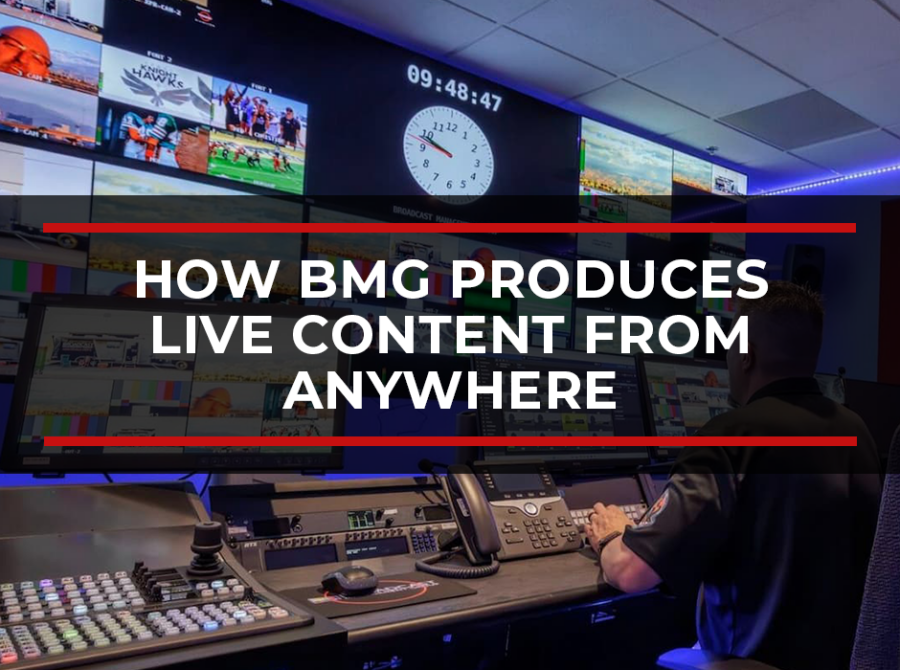
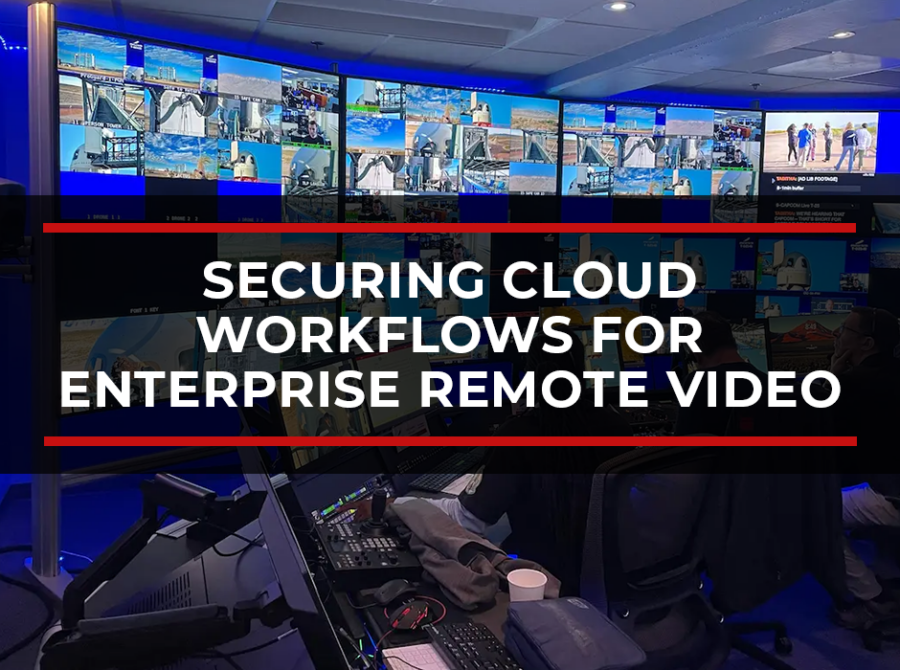
Building the Infrastructure Behind Reliable, Scalable, and Professional Enterprise Broadcasts
Hybrid enterprise events have evolved into live productions that combine in-person presentations, remote contributors, video sources, branded content, and global distribution.
As organizations build these broadcasts, they need the same level of reliability, redundancy, and technical precision that traditional broadcast networks have relied on.
Behind every successful hybrid event is a carefully designed Master Control Room (MCR), the center responsible for managing signals, monitoring workflows, maintaining quality, and ensuring content reaches audiences.
Many organizations attempt to scale hybrid events using disconnected systems, limited redundancy, and ad hoc workflows. These approaches create vulnerabilities that can impact reliability, viewer experience, and brand reputation.
A broadcast-grade MCR is a complete operational ecosystem designed around redundancy, monitoring, scalability, and technical management.
The Core Issue: Eliminating Single Points of Failure in Hybrid Broadcast Workflows
Hybrid enterprise events are productions that combine multiple video sources, remote participants, presentations, graphics, playback elements, and distribution platforms. Each additional component introduces another potential point of failure.
Without a centralized MCR, organizations may lack visibility into their entire broadcast chain.
A failed encoder, unstable network connection, incorrect signal route, or an audio issue can interrupt the viewing experience.
One of the biggest risks is relying on a single pathway for critical broadcast operations. If the primary signal route, network connection, or piece of equipment fails, there may be no immediate backup available.
A properly designed MCR addresses these risks by creating an environment where every signal is monitored, every workflow is tested, and systems have backup solutions in place.
The Diagnostic Checklist: Identifying Infrastructure Gaps
Before designing an MCR, organizations should evaluate their current broadcast readiness and identify where control room design mistakes exist.
Signal Management
Organizations should understand how many video and audio sources they need to manage, where those signals are routed, and whether operators have centralized control over the entire workflow. A reliable MCR should make it easy to identify the source of a problem and quickly restore service if an issue occurs.
Redundancy
A broadcast-grade environment should have backup plans for critical systems, including network connectivity, encoding workflows, power systems, and distribution pathways. The goal is to prevent a single failure from disrupting the entire event.
Monitoring capabilities
Many organizations discover technical issues only after viewers experience them. A professional MCR uses real-time monitoring tools to scale video quality, audio levels, stream health, and system performance, enabling operators to identify and resolve issues before they become visible.
Staffing and Operational Support
Reliable broadcasts require more than technology. Experienced engineers, operators, and production teams are needed to manage workflows, troubleshoot issues, and maintain quality throughout the event.
The Solution Framework: Designing a Broadcast-Grade MCR
A successful Master Control Room begins with an architecture that connects every part of the broadcast workflow.
Incoming sources such as cameras, remote contributors, presentation systems, and external feeds are routed into a production environment where operators can manage switching, graphics, audio, recording, and distribution. From there, the final program feed is delivered to streaming platforms, corporate communication systems, or other audience destinations.
This centralized approach creates visibility across the entire production chain.
Instead of troubleshooting disconnected systems, operators have a single location to monitor performance and make real-time adjustments.
Building Redundancy Into the Workflow
Reliability is created through intentional design.
Broadcast-grade MCRs are built with backup systems that allow operations to continue even when unexpected failures occur.
This may include redundant network connections, backup encoding systems, alternate distribution paths, and securing cloud workflows. Rather than reacting to failures after they happen, the infrastructure is designed to automatically support continuity.
For enterprise audiences, this means fewer disruptions and greater confidence that critical communications will reach viewers as planned.
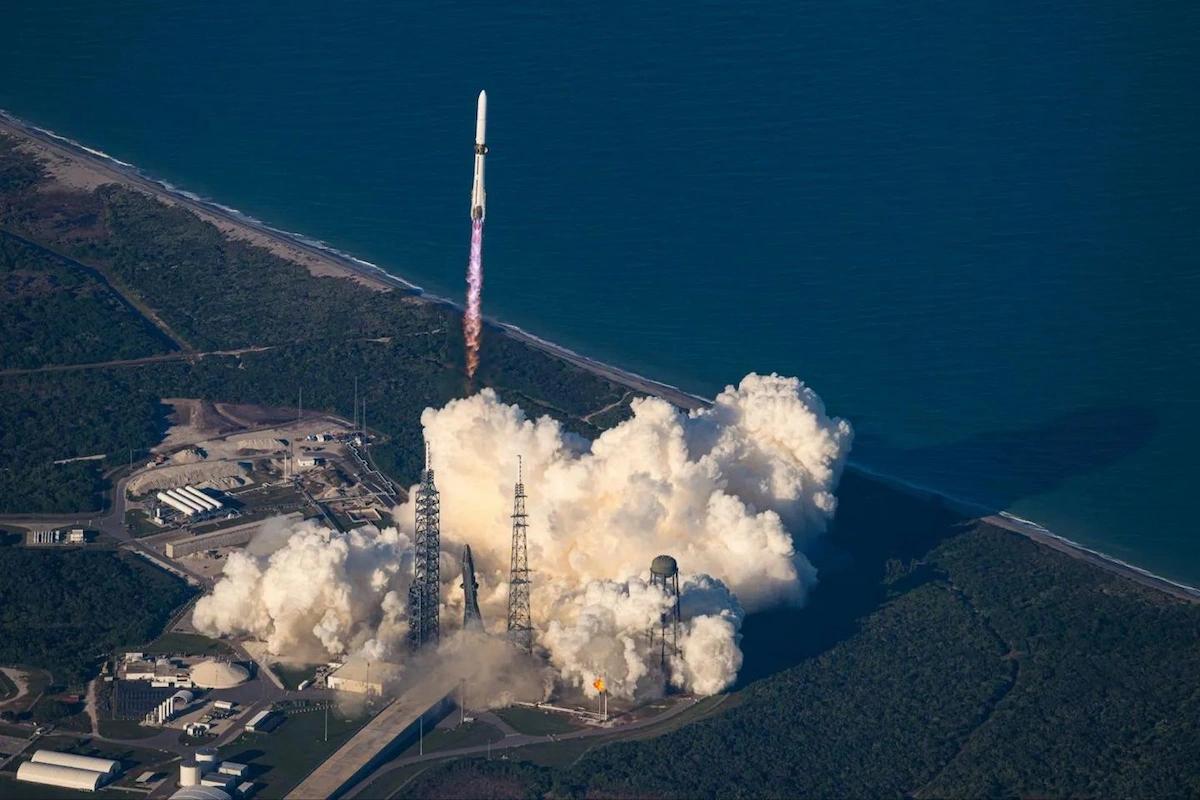
For Blue Origin’s New Glenn mission, BMG designed the production infrastructure around redundancy and operational continuity. More than 50 live camera feeds from locations across the country were integrated into BMG’s Network Operations Center in Washington, D.C., where the production team managed switching, graphics, replay, audio, shading, and transmission.
The centralized REMI workflow and cloud-based infrastructure provided a redundant environment capable of supporting a broadcast where interruptions were not an option. By centralizing production operations while maintaining technical teams and infrastructure across multiple locations, BMG created a workflow that allowed the broadcast to continue reliably throughout the mission.
Creating a Real-Time Monitoring Environment
An MCR functions as the command center for broadcast operations.
Operators continuously monitor incoming signals, program outputs, technical performance, and distribution quality. Advanced monitoring allows teams to identify issues such as signal loss, audio problems, latency, or streaming interruptions before they impact the audience.
For organizations hosting high-profile events, this level of oversight provides the confidence that every element of the broadcast is operating as expected.
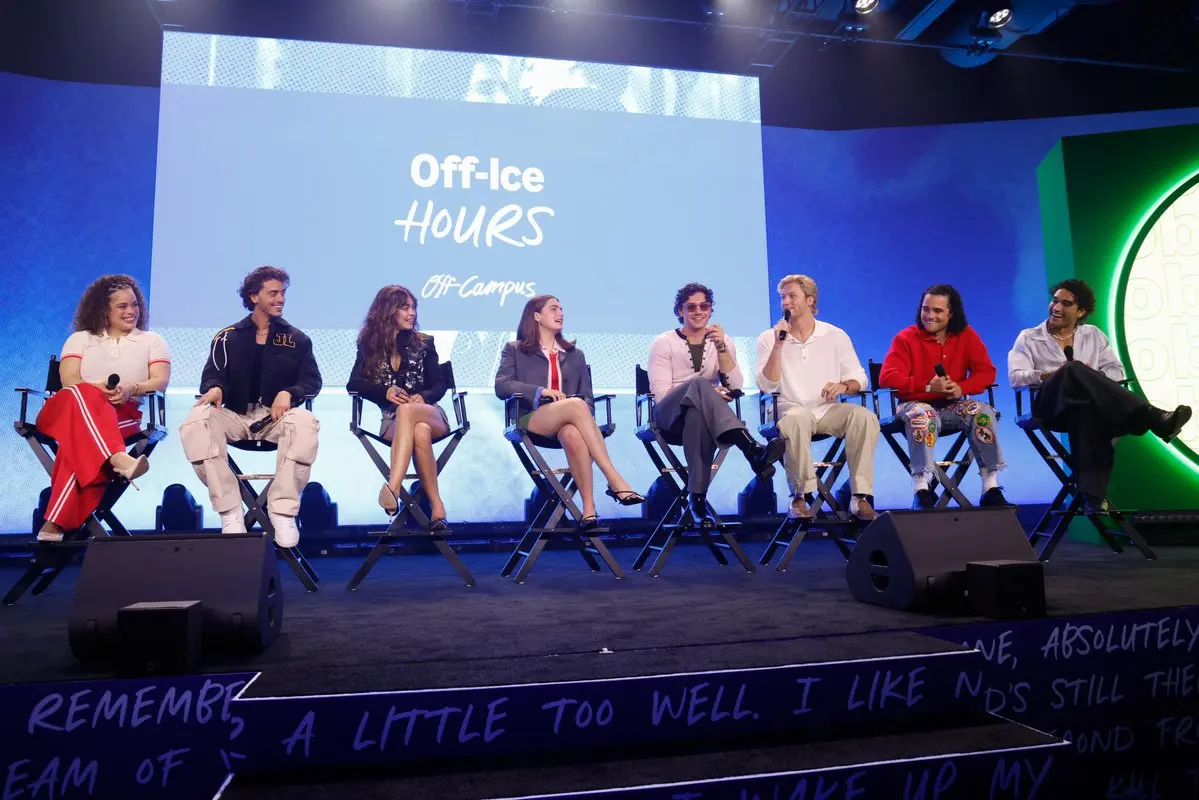
For Amazon’s Obsessed Fest, BMG’s production team relied on real-time monitoring to manage a complex live broadcast reaching more than 800,000 concurrent viewers on TikTok Live. With 11 cameras feeding the production environment, operators continuously monitored camera signals, audio, program outputs, graphics, and streaming distribution to ensure each element performed as expected. This oversight allowed the team to quickly identify and address technical issues before they could impact the viewer experience.
By maintaining continuous visibility across the production and distribution workflow, BMG helped deliver a reliable, high-quality broadcast for a large online audience.
Developing a Repeatable Operational Playbook
Technology alone does not create a reliable broadcast.
Successful MCR operations depend on repeatable processes and experienced teams.
A strong workflow begins before the event with technical testing, rehearsals, and system validation.
During the broadcast, operators manage signals, communicate with production and creative production teams, and respond immediately to technical challenges. After the event, teams can review performance, archive content, and improve future workflows.
This operational discipline is what separates a professional broadcast environment from a basic streaming setup.
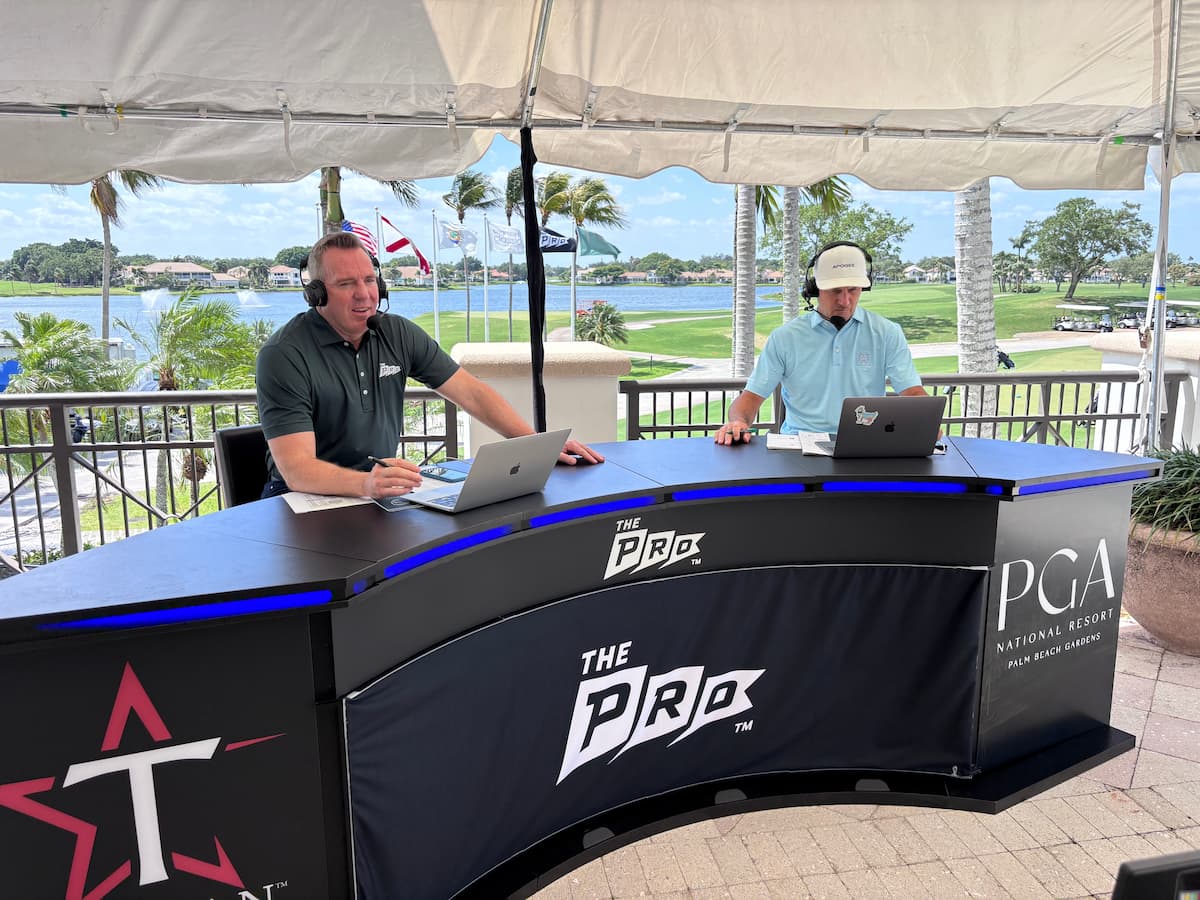
For the Pro Tour, BMG developed a structured operational workflow designed to support a complex, multi-event, multi-camera live sports production. Before the event, production and engineering teams conduct technical testing, validate connectivity and signal paths, and coordinate workflows to ensure every component is ready for live coverage.
During the broadcast, operators manage camera feeds, audio, graphics, switching, and distribution while maintaining constant communication with production and creative teams.
This repeatable process allows BMG to respond quickly to technical challenges, maintain consistency throughout the event, and create a reliable production workflow that can be replicated across Pro Tour events.
Supporting Hybrid Events Through Remote and Cloud-Based Workflows
Modern enterprise broadcasts increasingly rely on distributed production models.
Speakers, production teams, and audiences may be located across multiple cities or countries, making centralized control more important than ever.
A broadcast-grade MCR enables organizations to manage these remote and cloud-based workflows through remote production capabilities, cloud-enabled infrastructure, and centralized technical oversight.
This approach allows companies to reduce on-site complexity while maintaining broadcast standards.
The Direct Solution: How Broadcast Management Group Supports Enterprise MCR Operations
Building and operating a broadcast-grade Master Control Room requires specialized infrastructure, engineering expertise, and experienced personnel.
Broadcast Management Group provides turnkey broadcast solutions that help organizations create reliable hybrid event workflows without the complexity of developing an internal broadcast operation.
Through managed services, technical infrastructure, and experienced production teams, BMG helps organizations design, operate, and scale professional broadcast environments.
BMG’s capabilities include centralized monitoring, broadcast engineering support, signal management, redundant workflows, and cloud-enabled production solutions designed for enterprise communication needs.
The BMG Network Operations Center (NOC) provides continuous oversight of critical broadcast systems, monitoring live signals, distribution pathways, and technical performance to ensure issues are identified and addressed quickly.
Organizations can leverage BMG’s experienced teams to manage the entire workflow from infrastructure design through live event execution.
Building the Future of Enterprise Broadcasting
As enterprise communications become increasingly global and video-driven, organizations need broadcast infrastructure that delivers reliability, scalability, and professional-quality performance.
A broadcast-grade Master Control Room provides the foundation for hybrid events by combining technology, proactive monitoring, and experienced operational support.
The future of enterprise broadcasting now requires building the infrastructure, workflows, and expertise needed to deliver flawless experiences at scale.

Andrew Ryback is the Executive Vice President of Production. He brings over 17 years of experience in production management across live events, entertainment, and on-location shoots. He has managed production logistics for high-profile events, including The Emmys, The Oscars, TIFF, SXSW, Comic-Con, New York Fashion Week, Sundance, and both national political conventions. At BMG, he oversees complex productions from crew and equipment coordination to budgeting, permitting, and on-site execution.
About Andrew Ryback