A live production may look effortless from the viewer’s perspective, but making it happen is anything but simple. While viewers are focused on the cameras, graphics, talent, and action on screen, a dedicated production team is working behind the scenes to keep everything on track. Every cable, camera, schedule, crew call, and last-minute adjustment contributes to the final broadcast.
Making all of those moving pieces work together requires a wide range of roles, including the Production Assistant (PA).
While the role may not always be visible to viewers, PAs are an important part of keeping a production organized, prepared, and running smoothly.
Production Assistants are often the people who step in wherever they are needed. Their responsibilities can range from coordinating meals and helping crew members get where they need to be to keeping production areas organized, assisting with last-minute requests, and supporting the production team throughout a live event.
While much of the work happens behind the scenes, Production Assistants play an important role in keeping a production moving.
From supporting crew members and managing day-to-day production needs to working in fast-paced control rooms, Zaria Wilson shared what it takes to succeed as a PA and what makes the role so rewarding.
What Does a Production Assistant Do?
Being a Production Assistant means being ready to support the production wherever you are needed. No two production days are exactly alike, and that is one of the most appealing parts of the role.
A PA might begin the day with a specific assignment, only to find that priorities change as the production gets underway. They may coordinate meals for the crew, sign staff in, transport crew members, assist with setup and cleanup, stand in for talent, organize production areas, or handle other tasks that help the team stay on schedule.
Production Assistants need to be adaptable and attentive to what is happening around them. Their goal is to be a dependable resource for the production team and help keep the day running as smoothly as possible.
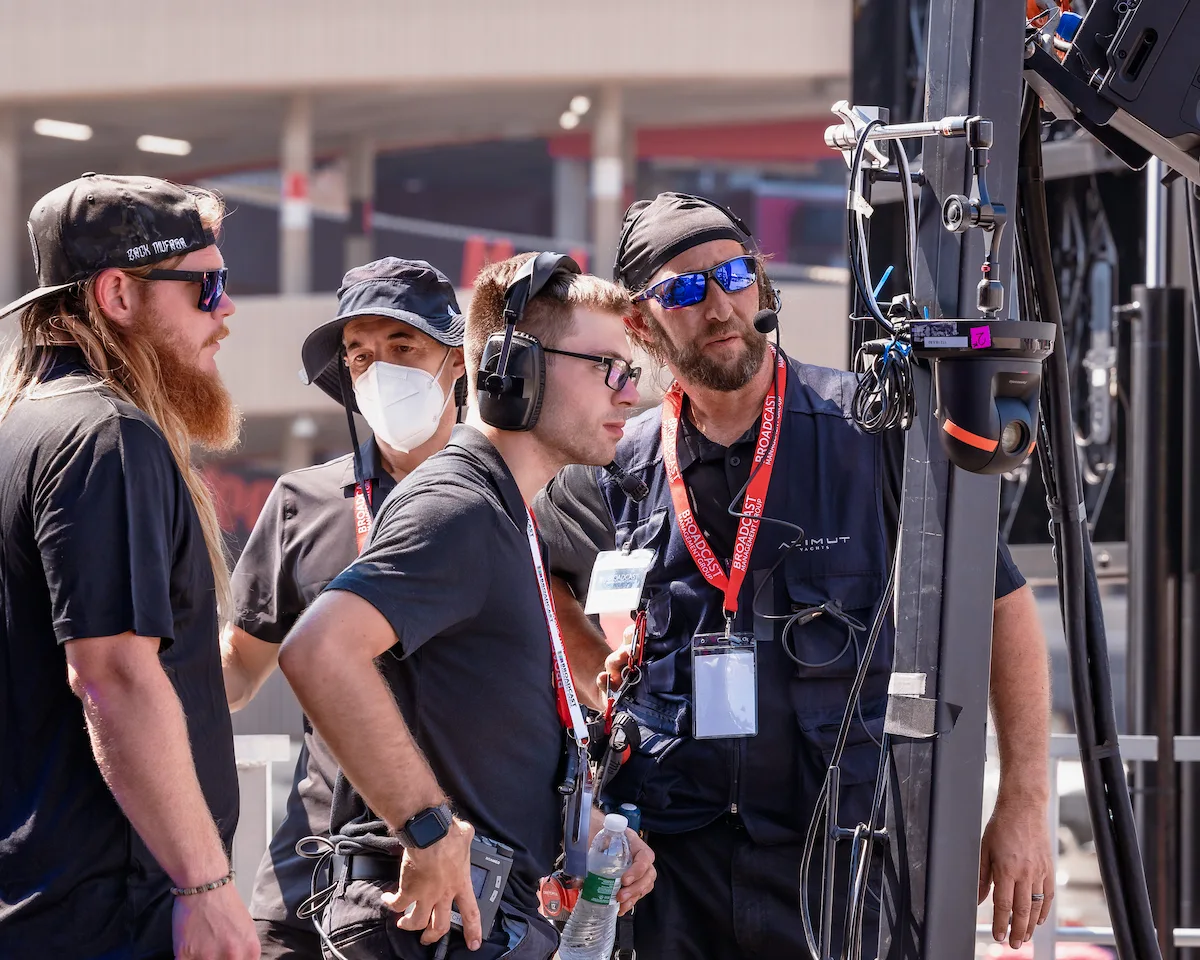
A Day in the Life of a Production Assistant
Every event starts differently. Depending on the production, a PA may arrive at a venue before the broadcast begins to receive assignments, check in crew members, and help prepare the production environment.
From there, the day can take several directions.
Some production days may move at a steady pace, while others can become fast-paced as the broadcast approaches. A task that seems small can become time-sensitive when hundreds of people are working toward the same deadline.
That means PAs need to arrive prepared to adapt.
Throughout the day, they coordinate with different members of the production team, respond to new requests, monitor schedules and assignments, and look for opportunities to help without necessarily being asked.
For a Production Assistant, staying busy is often part of the job. The ability to recognize what needs to be done and take initiative can make a significant difference to the rest of the team.
Supporting a Live Broadcast
Live production leaves very little room for error, so once the broadcast begins, there is no opportunity to pause and start over.
While Production Assistants may not always have a visible role during the broadcast, their support helps the larger production team stay focused on their responsibilities.
A PA’s responsibilities may include:
- Coordinating meals and refreshments for the crew
- Signing in production staff
- Helping transport crew members or equipment
- Keeping production areas organized
- Assisting with setup and cleanup
- Relaying information between team members
- Responding to last-minute production needs
- Providing general support wherever it is needed
Responsibilities can change throughout the day, making awareness and flexibility especially important. In this position, they are constantly paying attention to what is happening around them and thinking about what the team may need next.
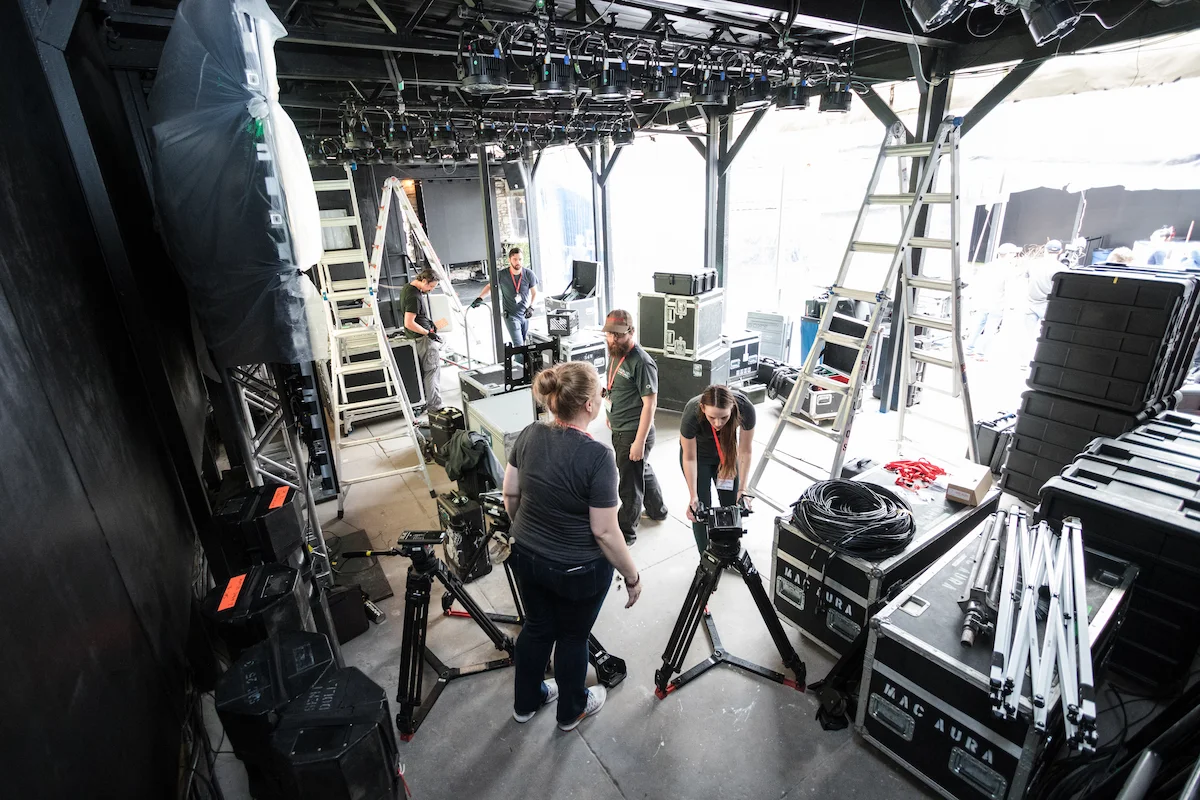
The Skills You Develop as a Production Assistant
Working as a Production Assistant provides an opportunity to develop skills that extend far beyond the production environment.
The role requires adaptability, communication, organization, problem-solving, and the ability to work with people with different personalities and responsibilities.
Perhaps most importantly, PAs learn how to remain composed in fast-paced environments.
Because no two productions are exactly alike, every event provides a new opportunity to learn. A PA may encounter a new type of production, work in a different venue, meet a new crew, or take on a responsibility they have never handled before.
Over time, those experiences build confidence and prepare Production Assistants to take on increasingly complex responsibilities within the industry.
Attention to Detail Matters
Even the smallest details can have an impact on a live broadcast.
A missed schedule update, an incorrect assignment, or a crew member who lacks what they need can create problems for the production team. That is why Production Assistants need to listen carefully, stay organized, and complete tasks accurately.
Attention to detail can mean confirming that crew members have the information they need, making sure schedules and assignments are correct, or simply noticing something that needs to be addressed before it becomes a larger issue.
For a PA, being aware of their surroundings is just as important as completing the task at hand.
Communication Behind the Scenes
Production is a team effort, and communication is at the center of making that effort successful.
Production Assistants may interact with producers, directors, camera operators, talent, technical crew, venue staff, and many other members of an event team. Each person has a different responsibility, and understanding how and when to communicate is important.
Before a production gets busy, PAs communicate with team members through text or other channels to confirm schedules, assignments, transportation, and other details.
Once the event is underway, communication becomes even more intentional.
A PA needs to understand when a crew member is available to talk and when they need to remain focused. In a control room or other high-pressure production environment, unnecessary interruptions can create distractions. Knowing when to speak up and when to step back is an important part of working effectively on a live production.
The Importance of Adaptability
One of the biggest challenges of working in live production is that things do not always go according to plan.
Schedules change. Assignments shift. A new request can come in minutes before a broadcast. A production may encounter an unexpected problem that requires the team to adjust quickly.
For Production Assistants, adaptability is essential.
Working in this environment teaches PAs how to stay calm and focused when priorities change. They learn to assess what needs to happen, communicate with the appropriate team members, and take action.
There are also moments when the production environment can become tense. Live broadcasts are time-sensitive, and there is often very little room for mistakes. Maintaining a positive attitude and communicating effectively can help the entire team navigate those high-pressure moments.
In many ways, learning to expect the unexpected is one of the most valuable lessons a Production Assistant can develop.

The Reward of Seeing It All Come Together
Much of a Production Assistant’s work happens outside the audience’s view.
The audience may never know who coordinated a crew meal, helped a team member get where they needed to be, organized a production area, or handled a last-minute request. But those contributions still matter.
There is a unique satisfaction in watching a production come together and knowing that you played a part in making it happen.
A PA’s contribution may seem small compared with the finished broadcast, but live production is built on hundreds of individual responsibilities being completed successfully. When everything comes together and the audience experiences a seamless broadcast, the behind-the-scenes work has accomplished its goal.
Working Behind the Scenes With BMG
For Production Assistants working with Broadcast Management Group (BMG), that variety can mean working across a range of live productions and environments.
BMG supports productions across sports, entertainment, corporate, news, and other live broadcast environments, giving production professionals the opportunity to experience different workflows and challenges.
For Zaria Wilson, Production Assistant, working with BMG has included sports productions such as college basketball games, live sporting events, and control-room productions.
Each production offers something different.
Live Sports productions provide an opportunity to see how numerous roles work together in real time. From the control room to the field of play, every member of the team has a responsibility that contributes to the final broadcast.
The collaborative nature of these productions can be especially rewarding for someone interested in the technical and creative sides of live television.

Paige DeLoretta is a marketing professional with experience in social media and digital marketing, creating engaging content that helps brands grow and connect with audiences. She has supported marketing initiatives across a variety of industries. Paige is a graduate of George Mason University with a degree in marketing. Originally from Reading, Pennsylvania, she enjoys traveling, spending time outdoors, and exploring Washington, D.C. with friends and family.
About Paige DeLoretta