The quality of a live, multi-camera broadcast starts with the camera shot, and getting that shot right requires an operator who can focus, frame, follow, and react to the action without hesitation.
A camera operator plays an important role in turning a live event into a compelling broadcast. The position requires technical knowledge, preparation, communication, quick reaction time, and an understanding of how individual shots contribute to the larger story.
From building and testing camera rigs to listening closely to the director during a live show, camera operators have responsibilities that begin long before a broadcast goes live and continue until the equipment is packed away.
To better understand the role, we spoke with Guy Opper, a camera operator with more than 20 years of experience in live production and extensive experience working on BMG productions.
What Does a Camera Operator Do?
A camera operator’s primary responsibility is to capture the shots needed to support the director’s and producer’s vision for a live broadcast.
Camera operators must constantly monitor their surroundings, listen to multiple sources of communication, anticipate what is about to happen, and make sure their shots are clean and broadcast-ready.
A successful camera operator knows how to eliminate distractions, maintain focus, frame subjects properly, and react quickly when the action changes.
At its core, the job can be summarized in four essential functions:
- Finding the right subject or moment
- Focusing the camera accurately
- Framing the shot appropriately
- Following the action smoothly
While those responsibilities sound simple, performing them quickly and consistently in a live environment requires extensive experience and preparation.
Starting the Day: Safety, Setup, and Walkthroughs
A camera operator’s day typically begins before the broadcast.
After arriving at a venue, the crew may participate in a safety meeting and walkthrough of the property. This gives everyone an opportunity to understand the venue, identify potential challenges, and establish a setup plan.
Camera operators are often involved in loading equipment into the venue and setting up their camera systems. As a result, they need to understand different camera chains, signal types, and equipment configurations.
Some productions involve advanced camera rigs that require careful assembly. Building these systems incorrectly can lead to equipment damage, operational problems, or safety concerns. Understanding how each component works together is therefore an important part of the job.
Once a camera operator has completed their own setup, they may also assist other members of the production team. This could include helping another camera operator, setting up monitors, running cables, or assisting video technicians with additional equipment.
The goal is to make sure the entire production is ready before the broadcast begins.
Testing Camera Systems Before the Show
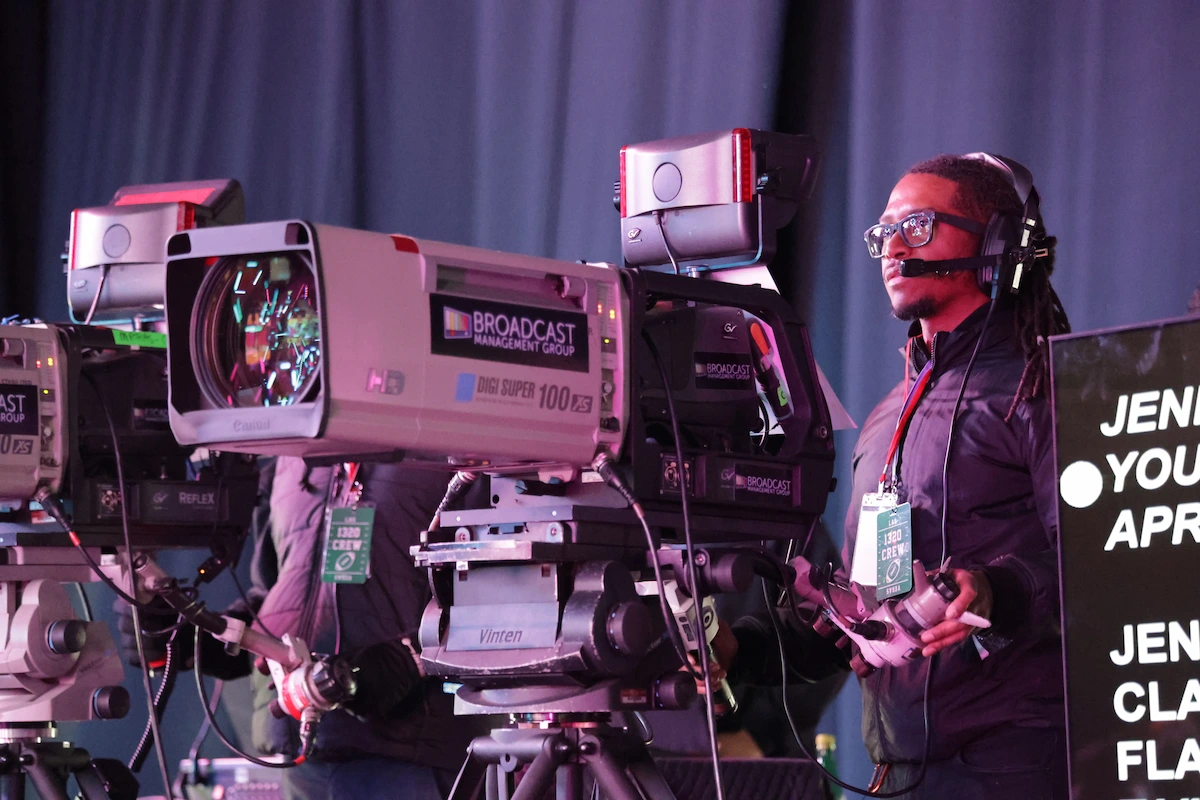
Once the equipment is set up, camera operators work with video engineers and technical directors to test their systems.
These checks can include:
- Tally
- Program and video returns
- Audio return
- Back-focus
- Camera signals
- Communication systems
Testing these components before the broadcast is critical. A problem discovered during setup can often be corrected before the show, while a problem discovered during a live broadcast can directly affect the viewer experience.
Once testing is complete, the production team typically holds a camera meeting with the director and other camera operators.
Understanding the Story Before Going Live
The camera meeting is an important part of preparing for a live broadcast, combining the technical and creative production services.
During the meeting, the director reviews the event’s major storylines and explains what each camera operator will capture. This gives operators a clear understanding of not only where they need to point their cameras, but also how their shots can creatively support the production and tell the story.
For a sports production, that could mean knowing which players or areas of the field should receive additional attention. For a news or entertainment production, it could mean understanding which guests, speakers, or moments are expected to be particularly important.
The more familiar a camera operator is with the story, the better prepared they are to anticipate what the director will need.
That preparation is important because live productions move quickly. Camera operators often need to recognize what is about to happen before they receive an instruction over the headset.
Communication Is Critical for Camera Operators
Communication is one of the most important skills a camera operator can develop, and effective communication starts with listening.
During a live production, camera operators listen to the director, producer, broadcasters, engineers, and other camera operators simultaneously.
Not every communication requires a verbal response. Sometimes a quick camera movement can communicate a simple yes or no. In other situations, however, the camera operator needs to speak up immediately.
Because multiple conversations can happen over a production headset, camera operators need to know when to listen and when to communicate.
Clear, concise communication helps the entire production team stay coordinated without adding unnecessary chatter to the headset.
Anticipation Comes With Experience
One of the most valuable skills a camera operator develops over time is the ability to anticipate what will happen next.
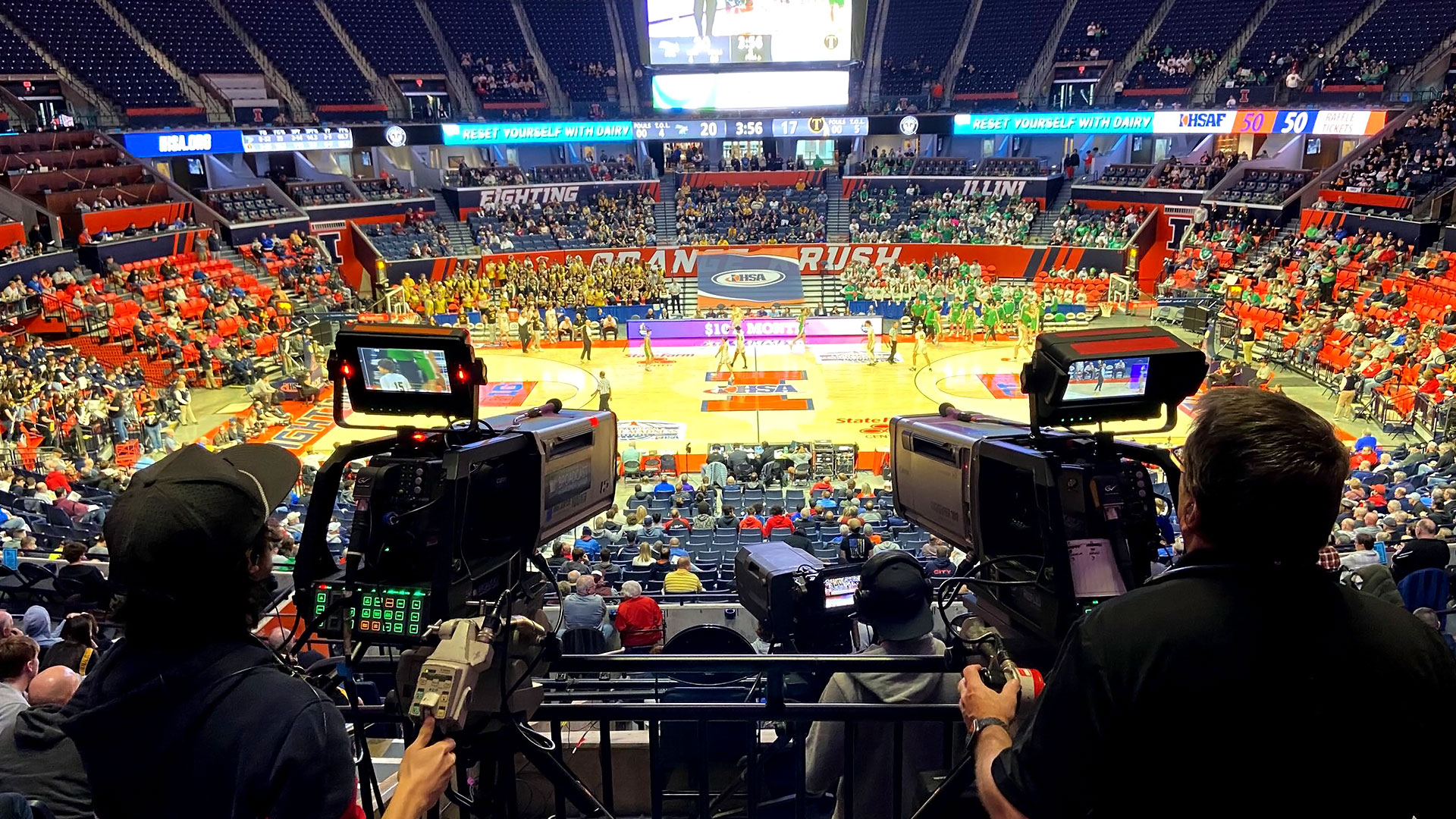
Live broadcasts involve multiple stimuli at once. Camera operators have to pay attention to the action in front of them while simultaneously listening to the director and monitoring what is happening elsewhere in the production.
With experience, camera operators begin to recognize patterns.
After years of working with different directors, productions, and situations, an experienced operator may anticipate a director’s next request before it is even communicated. The more live events a camera operator works, the more quickly they can recognize what a particular moment requires and respond accordingly.
Preparing for the Challenges of Live Production
One of the biggest challenges for a camera operator is setting up the conditions for success before the show begins.
That preparation includes understanding:
- The event and its storylines
- The people involved
- The venue
- The assigned camera position
- The camera equipment
- Potential technical issues
- Physical limitations of the location
Equipment may show signs of wear, a camera position may have an obstructed view, or the physical layout of a venue may require an operator to adjust their approach.
Identifying those challenges early allows the camera operator to develop a solution before the broadcast begins.
Once those variables are addressed, the operator can focus on the fundamentals of the job: finding, focusing, framing, and following.
The Role of a Camera Operator on a Production Team
Camera operators work as part of a much larger production team that can include directors, producers, technical directors, video engineers, audio engineers, utilities, and other crew members.
Each person has a specific responsibility, but those responsibilities are interconnected.
For camera operators, having a well-organized production team and reliable equipment can make a significant difference.
BMG camera operators have highlighted the company’s organization, equipment quality, and production environments as factors that contribute to smooth live productions. Working with teams and equipment allows camera operators to focus on capturing the best possible shots.
From High-Profile Events to Everyday Broadcasts
One of the most rewarding aspects of being a camera operator is the opportunity to help viewers experience events they otherwise could not see firsthand.
Camera operators may work on sports, news, entertainment, corporate events, concerts, and other high-profile productions. Each environment presents different challenges and requires the operator to adapt.
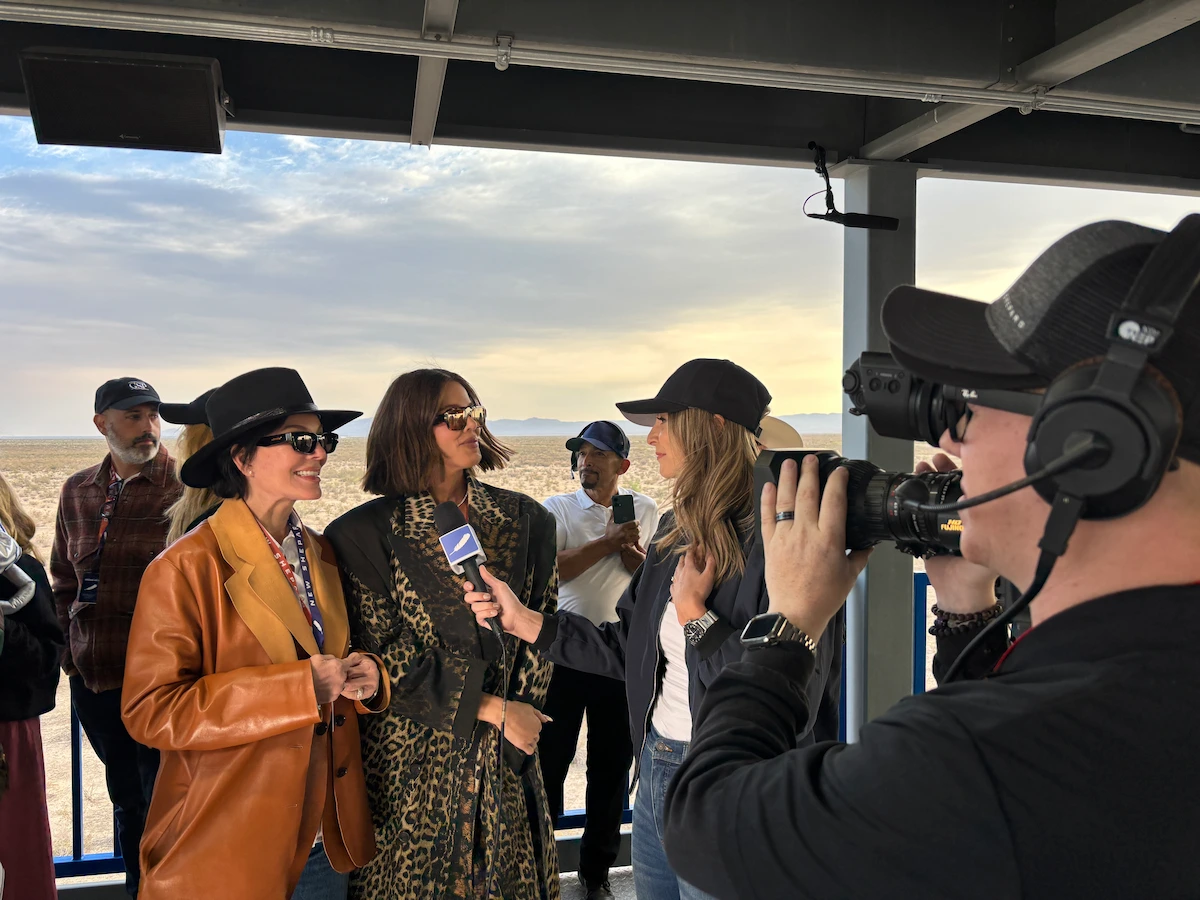
One particularly memorable example for a BMG camera operator, Guy Opper, was working on a Blue Origin NS-31 launch in Texas.
The production involved several days in the Texas desert preparing, rehearsing, and documenting the event. The camera operator had the opportunity to capture notable figures including Jeff Bezos, Katy Perry, and members of the Kardashian family.
Footage from the event was even republished by tabloids around the world, demonstrating how a single camera operator’s work can reach audiences far beyond the original broadcast.
What Skills Are Important for a Camera Operator?
While technical camera knowledge is essential, some of the most valuable skills developed through live production are less obvious.
Listening and reaction time are two of the most important.
A camera operator needs to process information quickly, understand what the director wants, and respond almost immediately. They also need to maintain concentration while dealing with multiple sources of information.
Other important skills include:
- Strong communication
- Attention to detail
- Technical knowledge
- Physical awareness
- Storytelling ability
- Preparation
- Adaptability
- Teamwork
- Anticipation
- Ability to remain calm under pressure
These skills develop through hands-on experience. Every production presents an opportunity to learn something new and build instincts that can be applied to the next event.
The Day Doesn’t End When the Broadcast Does
When the event concludes, the camera operator’s work isn’t finished.
The camera system needs to be carefully disassembled, packed, and transported back to the production truck. Equipment is then inspected and prepared for loading.
On a TV production truck, camera operators may remain until the truck has been fully buttoned up and the heavy power has been disconnected.
When someone finally calls out “POWER!”, it is a sign that the production day is officially coming to an end.
The equipment is packed away, the crew wraps up, and the team prepares for whatever production comes next.
More Than Operating a Camera
A camera operator is an essential part of the live production process.
The role combines technical expertise with storytelling, communication, preparation, and instinct. While viewers may only see the final image on their screens, that image represents the work of a camera operator who has prepared their equipment, studied the story, listened to the production team, and reacted to the action in real time.
The best camera operators understand why a moment matters and use their camera to help tell that story.
At BMG, experienced crews work alongside directors, producers, engineers, and technical teams to deliver reliable, high-quality live productions from setup through final teardown.
Whether it’s a major sporting event, high-profile entertainment production, or complex live broadcast, the right team and technology make every shot count.
Looking for a live production partner that understands what it takes to bring your event to the screen? Connect with BMG to learn more about our live production capabilities.

Paige DeLoretta is a marketing professional with experience in social media and digital marketing, creating engaging content that helps brands grow and connect with audiences. She has supported marketing initiatives across a variety of industries. Paige is a graduate of George Mason University with a degree in marketing. Originally from Reading, Pennsylvania, she enjoys traveling, spending time outdoors, and exploring Washington, D.C. with friends and family.
About Paige DeLoretta