Virtual sets and augmented reality graphics have moved from specialized broadcast applications into everyday live production.
From virtual studios and extended environments to real-time data graphics and virtual advertising, these tools can change how audiences experience a live broadcast without requiring every element to physically exist on set.
For live broadcasters, the focus is on understanding what can be produced reliably, what drives cost, where virtual production adds value, and what continues to work when the broadcast is live, the camera is moving, and there is no opportunity for a second take.
The difference between a technology strategy and a broadcast comes down to camera tracking, graphics integration, technical infrastructure, crew expertise, and the ability to maintain consistency throughout an entire event.
What Actually Counts as a Virtual Set or AR?
A virtual set replaces or extends a physical environment with a digitally created space. A presenter may appear to be standing inside a newsroom, control room, stadium, or branded environment that exists primarily in a graphics engine.
Augmented reality (AR) adds digital elements into a camera feed while keeping the physical environment. This could include a 3D data visualization on a field, a virtual object appearing beside a presenter, or graphics that appear anchored to a physical location.
There is also a solution where set extensions and environmental graphics combine physical production elements with digital environments.
These graphics have to behave as if they belong in the physical world, which means perspective, scale, lighting, camera movement, and timing all have to remain synchronized.
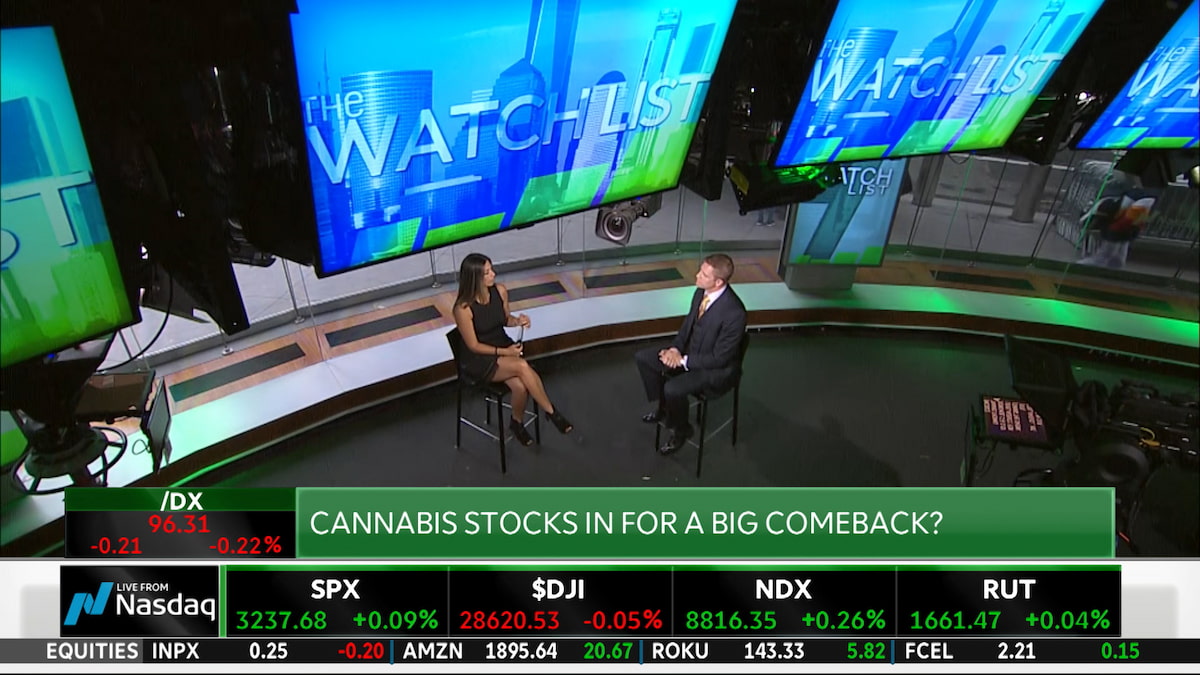
The Camera Is the Real Starting Point
The graphics create the visual effect, but the camera system keeps that effect grounded in the live shot.
For AR graphics to appear anchored to a location, the production needs information about the camera’s position, movement, lens, and orientation. A virtual object has to respond to a camera pan or zoom the same way a physical object would, which creates another layer of technical requirements around camera tracking and calibration.
The production team has to account for:
- Camera tracking and positioning
- Lighting changes
- Perspective and depth
- Graphics rendering
- Real-time data
- Timing and synchronization
What’s Real-Time—and What’s Not?
One of the biggest misconceptions about virtual production is that everything happens in real time. Some elements can be rendered live while others require preparation before the broadcast.
A virtual environment may be built days or weeks ahead of an event. Graphics packages may be created and tested before cameras arrive. AR elements can be pre-programmed around known camera positions, while real-time systems handle the variables that change during the broadcast.
That preparation is what allows the technology to appear instantaneous on air.
For a live production, the objective is not simply to create something visually impressive. It is to create something that can be repeated consistently for hours without breaking down.
What Makes It Expensive?
The cost of virtual production is rarely tied to one piece of equipment.
The investment can span the entire production chain, including graphics systems, rendering hardware, camera tracking, software, network infrastructure, engineering, creative development, testing, and specialized operators.
The preparation cost is also easy to overlook. A virtual environment has to be designed. Graphics need to be built. Camera systems need to be calibrated. Workflows need to be tested. Operators need to understand how the system behaves under live conditions.
Every broadcast is different, and that is why two productions using similar virtual technology can have dramatically different budgets.

What Actually Holds Up on Air?
A production can have sophisticated technology behind the scenes while presenting a relatively simple result to the viewer.
For live broadcast, reliability matters; a graphic that integrates cleanly with the camera, remains consistent throughout the broadcast, and supports the story is more useful than an elaborate effect that becomes distracting or difficult to maintain.
Several factors tend to determine whether virtual production works successfully on air:
Tracking accuracy: Graphics have to stay locked to the environment.
Visual consistency: Lighting, perspective, scale, and movement need to make sense.
Real-time performance: Systems have to respond without introducing delays or instability.
Production integration: Virtual graphics cannot operate in isolation. They have to work alongside cameras, switching, replay, audio, communications, and other production systems.
Redundancy: Live broadcasts cannot simply stop if a graphics system fails. Critical workflows need appropriate backup and recovery plans.
Operator expertise: Technology still requires people who understand how to use it, troubleshoot it, and make decisions during a live production.
When Is Virtual Production Worth It?
Virtual sets and AR graphics make the most sense when they solve a specific production or business need.
That could mean creating a studio environment without constructing a permanent physical set, expanding the visual possibilities of a live event, delivering localized or sponsor-specific advertising, visualizing complex information, or creating a consistent branded environment across multiple productions.
The technology becomes less valuable when it is being used simply because it is available.
The strongest applications start with the broadcast objective and work backward to determine where virtual production can improve the viewer experience, production flexibility, or commercial opportunity.
Virtual sets and AR graphics can support a range of live production environments, from sports and entertainment broadcasts to corporate communications and branded events. Broadcasters can use these tools to expand visual storytelling and create more dynamic coverage, while sports organizations can explore new opportunities for graphics, sponsorship, and audience engagement.

BMG Creative Services
BMG brings the creative and technical sides of live production together, helping clients develop visual experiences that are built for the realities of broadcast.
From graphics and visual design to branded content and live event support, the team works alongside production and engineering teams to ensure creative elements integrate cleanly into the live workflow.
Whether a production calls for virtual environments, AR graphics, branded visuals, or other real-time elements, BMG Creative Services helps turn the concept into a production-ready solution designed to hold up on air.
The Technology Is Only Half the Story
Virtual sets and AR graphics can make live broadcasts more flexible, immersive, and commercially valuable, but the technology itself does not guarantee a successful production.
What audiences see on screen is the final result of a much larger system. Camera tracking, graphics, rendering, connectivity, engineering, operators, production design, and live operations all have to work together to deliver a seamless result. When those pieces are properly integrated, virtual production can expand what is possible on air without adding unnecessary complexity to the workflow.
For broadcasters, sports organizations, and enterprise media teams, the value lies in striking the right balance among visual impact, cost, flexibility, and reliability. The best broadcast is the one that supports the production, works consistently, and gives viewers a result that feels like part of the broadcast.

Kathy Samuels is Director of Creative Services at BMG. She is an Emmy-winning producer and media executive with nearly 30 years of experience across broadcast television, digital content, live production, and emerging media. Her background includes senior roles at NBC, CBS, ABC, and Joyus, as well as work launching major programs including Access Hollywood, Rachael Ray, and Katie. At BMG, Kathy leads creative services initiatives that help clients develop show formats, live experiences, content strategies, and audience-focused productions.
About Kathy Samuels