It’s vital to evaluate technology platforms against the operations they have to run for the next ten years. A refresh that looks right in the beginning can fail on documentation, monitoring, and who supports it in the middle of the night.
Feature comparisons are easy because every vendor can fill a spec sheet.
The harder test is whether the system still holds up years later, after a staff turnover, channel launch, or failure in the middle of a live event. This comes down to four checks.
Start From Workflows And Feed Count
Before you meet with a vendor, map your operation. This includes feed count, formats, run of show, and the full signal flow from ingest to playout and distribution.
Next, map where the plant is going. New channels, a shift from SDI to ST 2110, and more remote contribution change what the environment has to carry.
The equipment should fit your workflow. When a facility bends its workflow to fit a product, it ends up rebuilding around that product at the next refresh.
Score For Redundancy And Disaster Recovery
Features show up in every demo, but redundancy only proves itself when something fails.
Ask what happens when primary master control, a router core, or a transmission path goes down. Is failover automatic or manual? How long does the switch take? Has anyone tested it under load?
Look for diverse paths, N+1 on critical components, and a disaster recovery position you could run from on a bad night.
A platform that wins on features and loses on reliability is a problem on air.
Ask Who Operates And Monitors It After Handover
Integration ends at handover, but operation never does.
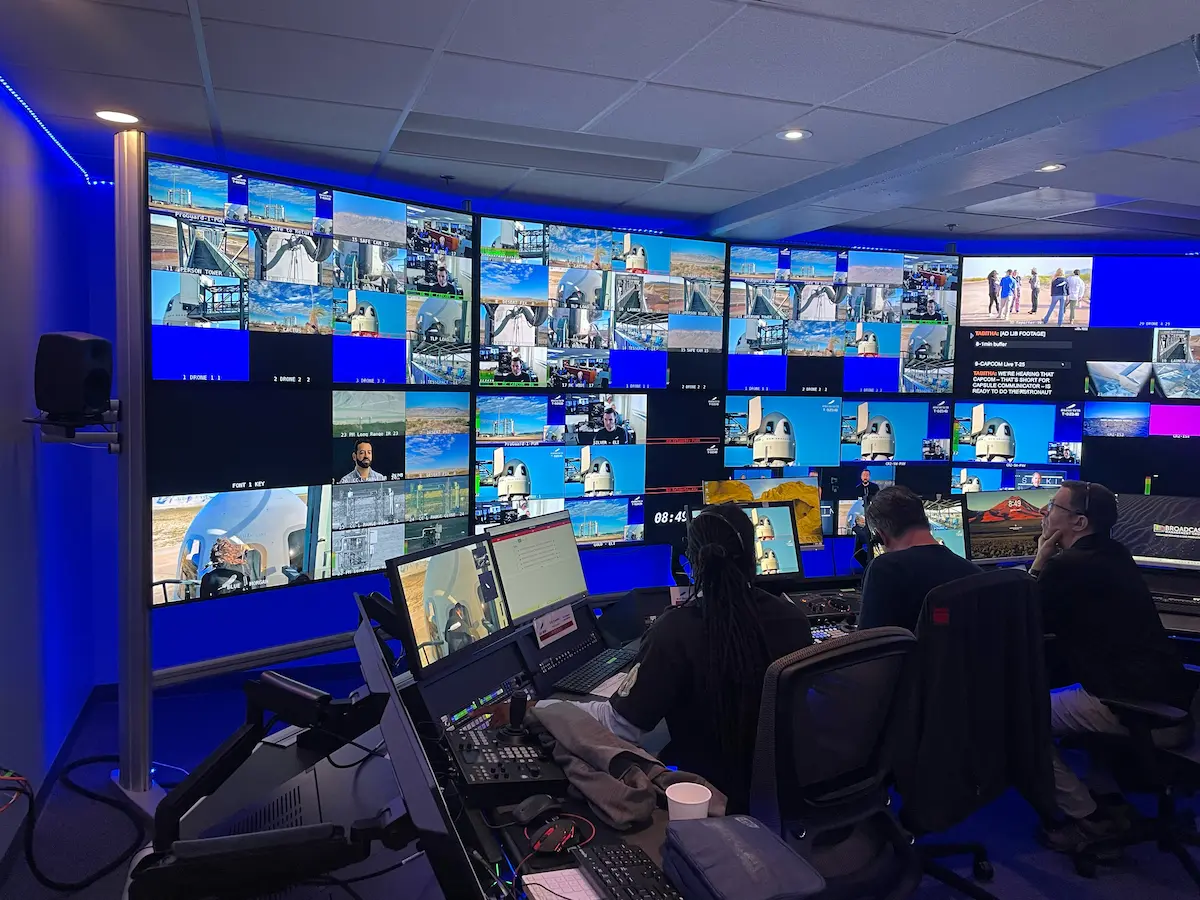
Someone has to watch every signal around the clock, answer the call at 3 am when a feed drops, and follow a previously written escalation path.
Make the decision early on whether that’s going to be your staff, a NOC, or both. The answer shapes staffing, training, and the monitoring layer you specify on day one.
If a platform is too complex for your team to run, you’ve bought a problem, regardless of the quality of the hardware.
Plan The Documentation Set Before The First Purchase Order
Documentation written after the build only describes what got built. However, documentation planned before the build decides it.
Define the set up front. It should include as-built drawings, signal flow diagrams, the IP addressing plan, runbooks for every failure mode you scored, and the escalation procedures behind them.
With that set, the system can be supported by people other than the ones who installed it. Without it, every fault turns into an investigation.
What This Looks Like In Practice
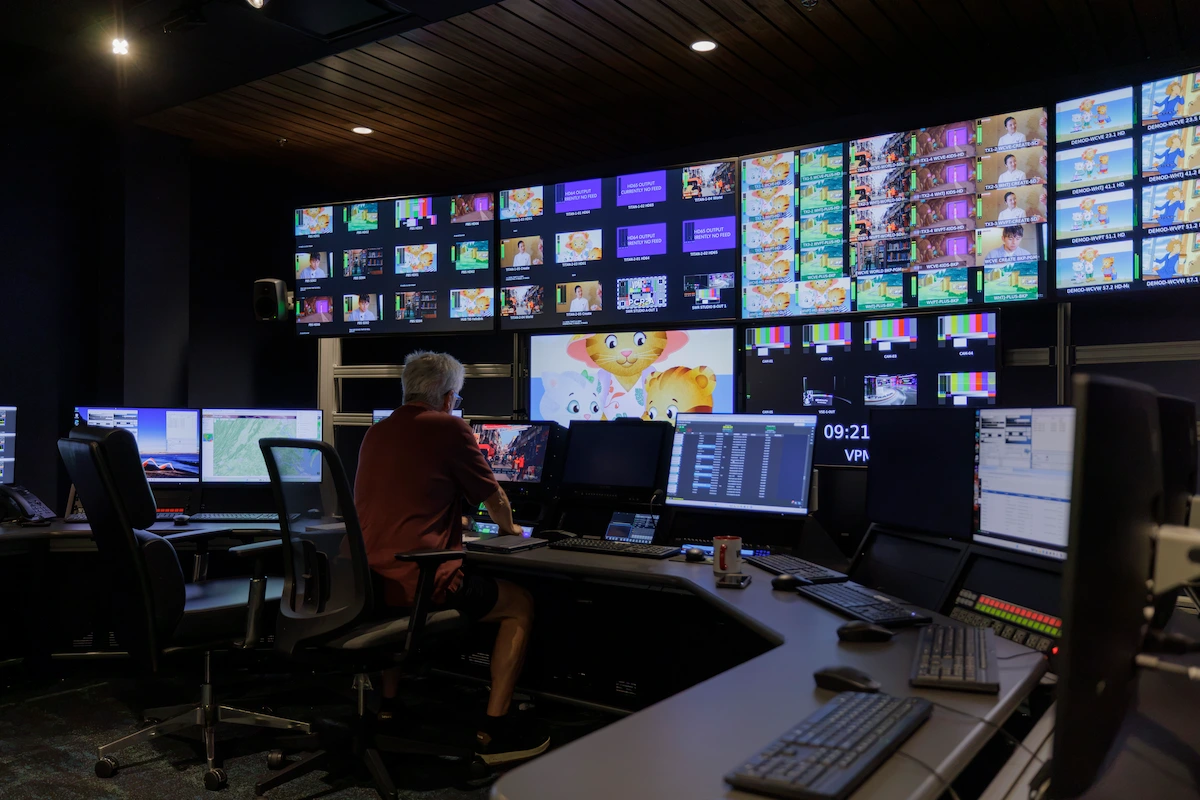
Virginia Public Media is an example of this in practice. Since 2023, BMG has replaced a 66-year-old infrastructure with a master control system handling 15 unique TV feeds.
The work followed the same four checks:
- Workflows first: Planning and facility design came before equipment selection.
- Redundancy: Redundant dark fiber protects the transmission paths.
- Operation after handover: Master control is augmented from BMG’s NOC, so monitoring doesn’t end when integration does.
- One system: Integration extends to MAM in Cloud Control Center™, tying the archive into the same operation.
Because of this, BMG built a single operation to run for many years to come.
The Bottom Line
A tier-1 refresh gets judged over years of live operation, not just at the point of purchase.
What a tier-1 control room has to do, in detail, is on the live-production page at broadcastmgmt.com.

Dave Weiler is the Senior Vice President of Sports Packaging and Consulting. He leads BMG’s consulting practice, overseeing global consulting projects and building strategic client relationships. A nine-time Emmy Award winner, he brings more than 35 years of leadership experience across media operations, production, and business strategy, including senior roles at ESPN and as founder of Media Edge Consultants. His expertise helps clients develop efficient, scalable solutions across the evolving media landscape.
About Dave Weiler