The ongoing OPEX savings from a fully deployed remote production workflow come from reducing the people and days required on site.
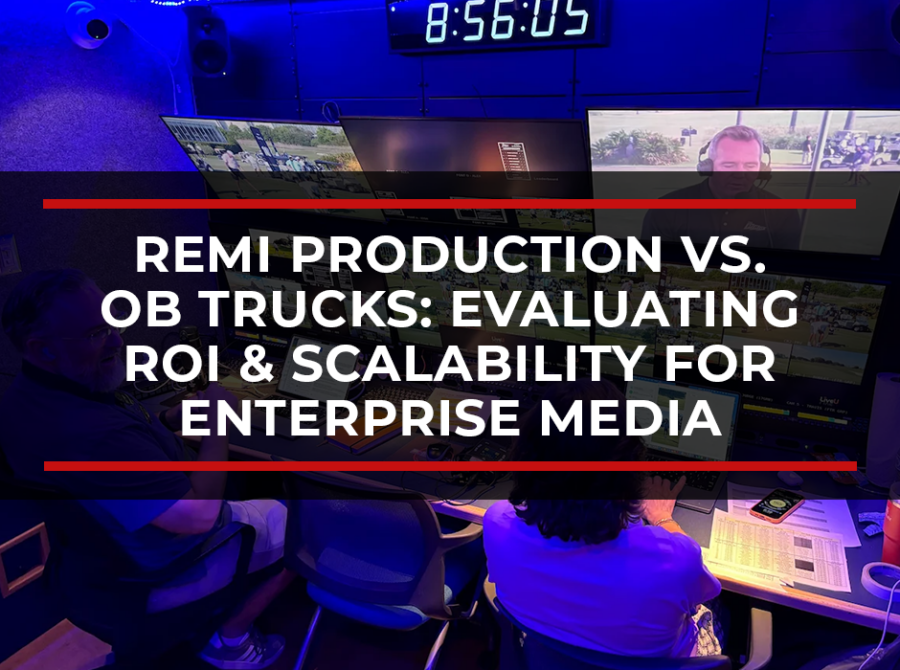
With traditional outside broadcast (OB), every production can require crews to travel, stay in hotels, receive per diems, and spend multiple days setting up and striking equipment. A remote production workflow moves much of that operation to a centralized control room, reducing the on-site footprint.
The exact savings depend on the production, connectivity, and existing infrastructure, but the principle is consistent: fewer people, fewer days, and fewer resources deployed to each event.
What Remote Production Changes
A remote production workflow, such as REMI, separates live content capture from the core production operation.
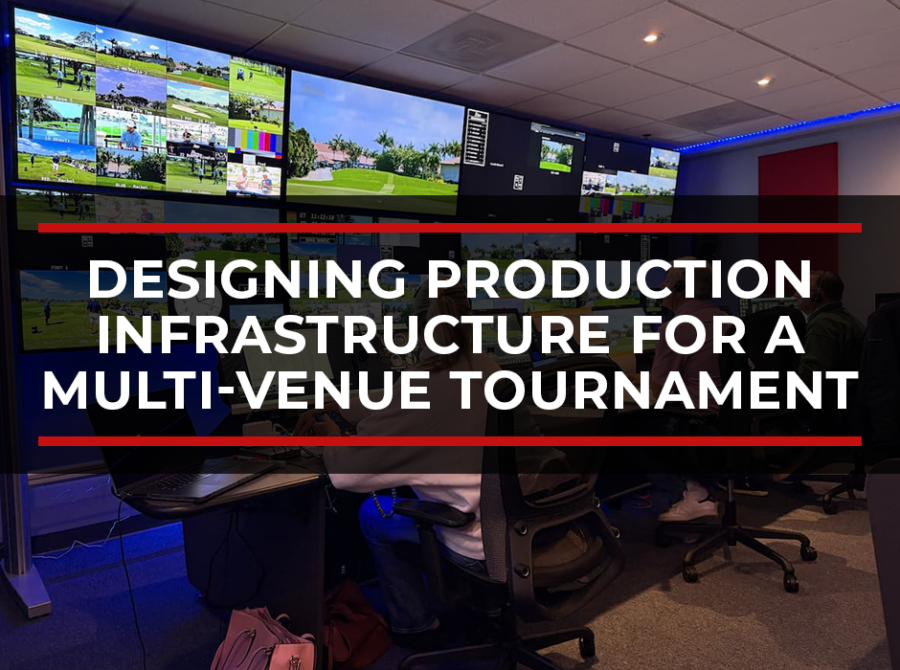
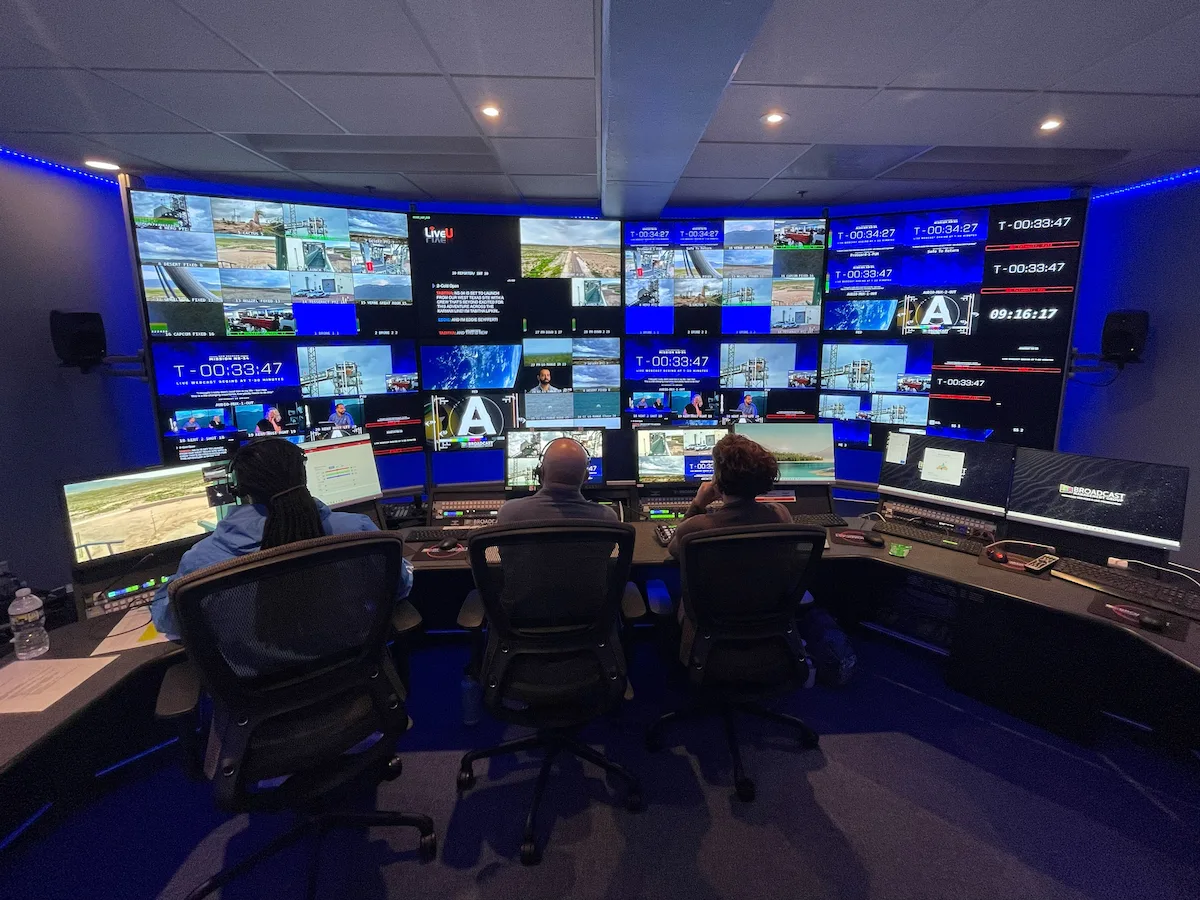
Cameras, audio, and other sources remain at the venue or event site, while the production feeds are transported back to a centralized facility. Directors, producers, operators and other specialists can then work from a centralized control room rather than traveling to every production.
The result is a different distribution of resources.
At the event site:
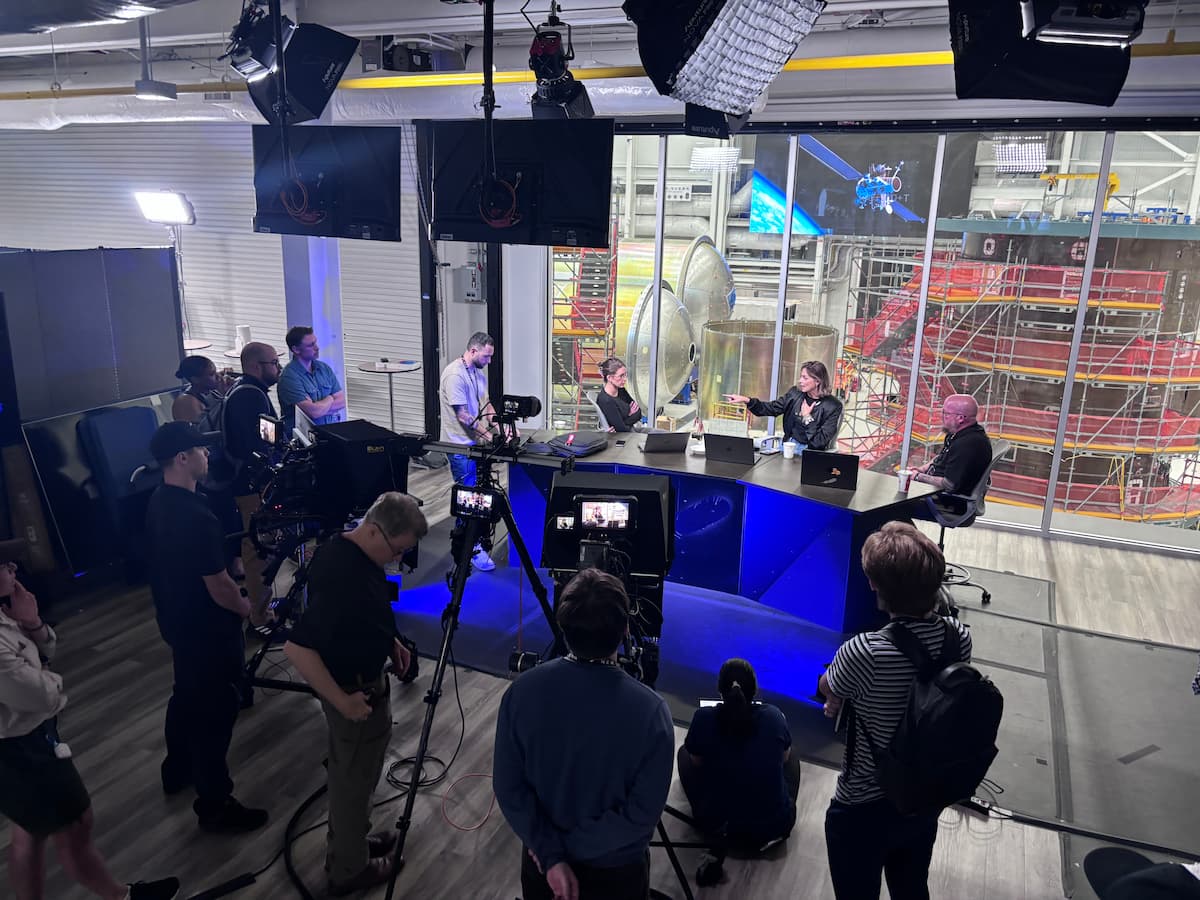
Capture equipment, cameras, audio, and the essential engineering support needed to get the signals out.
At the centralized facility:
The remote team handles production switching, monitoring, graphics, replay, coordination, and other production functions.
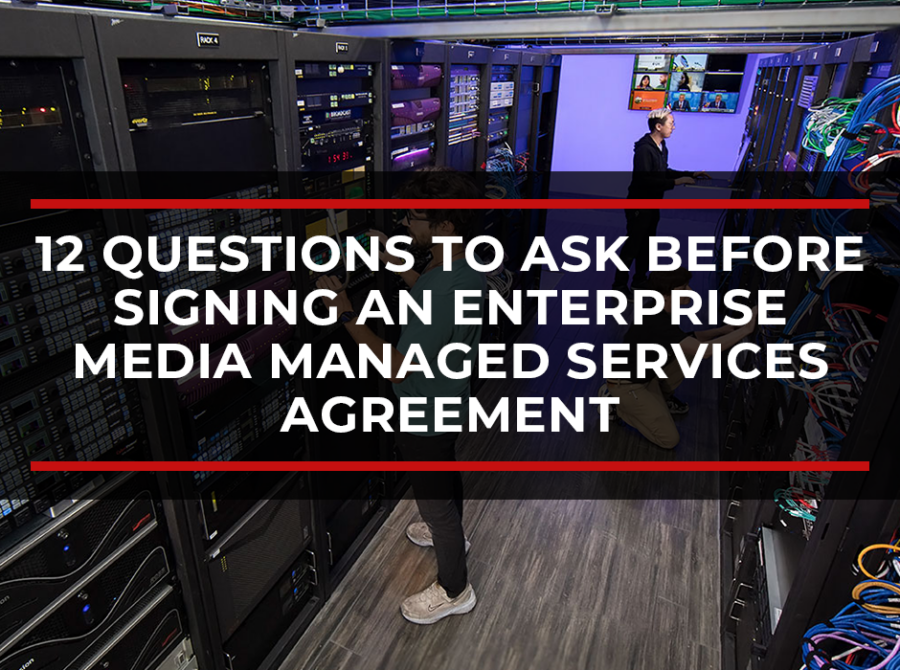
This does not eliminate every on-site requirement. A remote workflow still depends on reliable connectivity and the infrastructure to receive, manage, and produce those feeds. The financial benefit is strongest when an organization has a staffed network operations center or other centralized facility that can consistently support production.
The OPEX Savings Come From Repeating Fewer On-Site Costs
The biggest difference is not necessarily the cost of one production truck or one event. It is the recurring cost of sending a large team to the event every time.
When a remote workflow is fully deployed, organizations can reduce:
Crew travel: Fewer specialists need to travel to each venue.
Hotels and per diems: A smaller on-site team means fewer rooms, meals, and travel allowances.
Setup days: More of the production operation can be prepared and managed remotely, reducing the number of days required on location.
Truck time: Production resources can be centralized instead of repeatedly deploying a full OB truck to each event.
Repeat deployment costs: Once the remote infrastructure is established, the same centralized operation can support recurring productions without recreating the entire on-site footprint.
The important distinction is that these are ongoing operational savings. They can occur every time the remote workflow replaces a larger traditional OB deployment.
Blue Origin: A Real-World Example
BMG’s work with Blue Origin demonstrates the impact.
For the Blue Origin NS-32 launch, BMG managed 31 live feeds, 27 from the launch site and four from Kent through its Washington, DC NOC.
Compared with Blue Origin NS-31, the workflow reduced the on-site crew from 60+ people to one engineer and cut deployment from six days to three. It also resulted in an approximately 90% lower carbon footprint.
The example shows where remote production creates ongoing operational value: less travel, fewer people on site, and less time spent deploying a large production operation.
When Do the Savings Hold?
Remote production isn’t automatically cheaper just because it is remote. The workflow needs the right infrastructure behind it.
The savings are most achievable when:
- Reliable, high-quality connectivity is available between the venue and the production facility.
- A centralized NOC or control room is already staffed and equipped to receive and manage the feeds.
- The production can be designed around a smaller on-site technical footprint.
- The same infrastructure can support multiple events or recurring productions.
- The workflow is planned around remote operations rather than treating remote production as an add-on to a traditional OB model.
This is where scale matters. The more frequently a remote production infrastructure is used, the more opportunities there are to avoid repeating the travel, accommodation, and deployment costs associated with a traditional OB workflow.
The Bottom Line
Remote production does not eliminate production costs but changes where and how those resources are deployed.
For recurring productions, moving more of the operation into a centralized NOC can turn repeated travel, accommodation, setup and truck costs into a more efficient, repeatable workflow.
Click here to learn how remote production works, and where it saves money.

Todd Mason is the Chief Executive Officer of Broadcast Management Group (BMG), a broadcast infrastructure and media operations company helping define the next generation of television production, live media operations, and broadcast network infrastructure in North America.
About Todd Mason