The partner you should trust with a high-risk sports event has already produced a show with no second take, on a short plan, and can walk you through exactly how. Risk here has little to do with audience size. It comes down to planning time, the venue, and what happens when a feed drops.
Everything else is a credential that sounds good until something fails live.
What Makes a Sports Event High-Risk
Four conditions raise the stakes, and most high-profile events carry at least two of these. The hardest carry all four.
No retakes: Moments in a sporting event only happen once, and if the camera isn’t ready or the path isn’t up, the moment is gone.
Remote venue: There’s no house fiber, no nearby rental house, and limited power and connectivity. Whatever the show needs has to be brought in and built.
Short lead time: Compressed advance work requires site surveys, signal flow, and crew booking to happen simultaneously.
Many feeds: Every added camera is another source to route, monitor, and protect. Camera count multiplies failure points.
Stack these together, and a small problem upstream becomes dead air on show day.

Where High-Risk Events Actually Fail
Rarely from one dramatic equipment failure. Usually from what wasn’t decided ahead of time:
- A backup path that has never carried a live show.
- Comms that only work while the primary network is up.
- No one assigned to call a path switch.
- A crew working together for the first time on show day.
None of these show up in a proposal. All of them show up on air.
What That Looks Like in Practice: The Pro Tour
The Pro Tour’s inaugural season put BMG on five golf courses across the United States, from PGA National to Black Desert. None came with a broadcast plant.
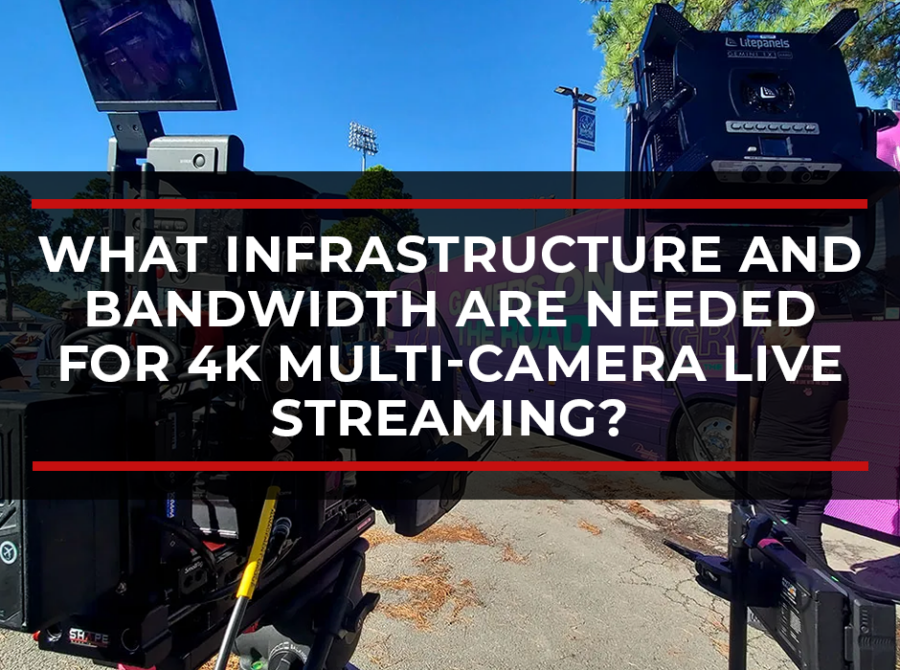
Each show ran 11 cameras and 6 drones. Instead of running fiber:
- Primary transmission: LiveU LU800 bonded cellular on cameras and drones.
- Backup path: Starlink dishes on golf carts.
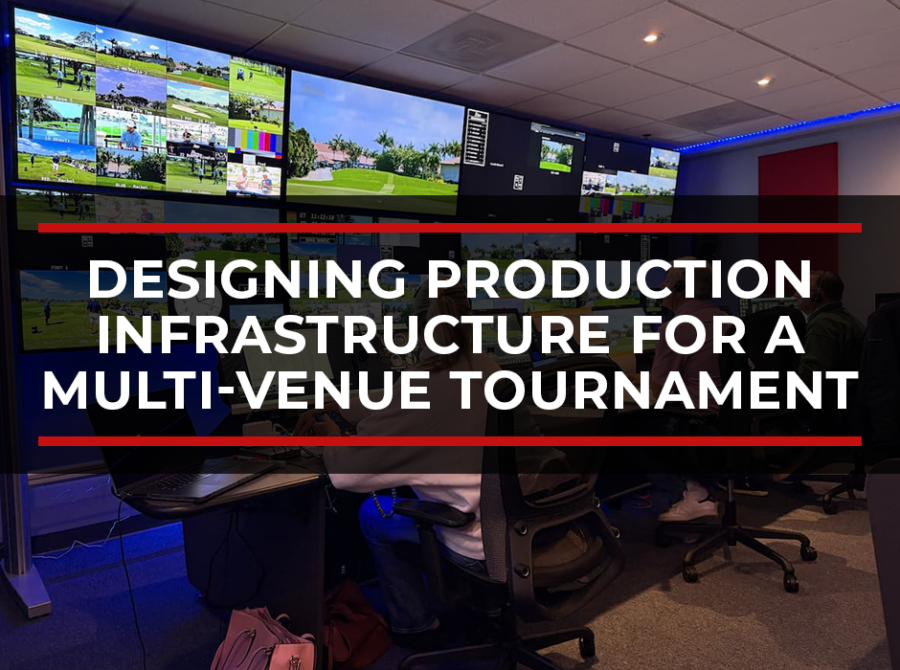
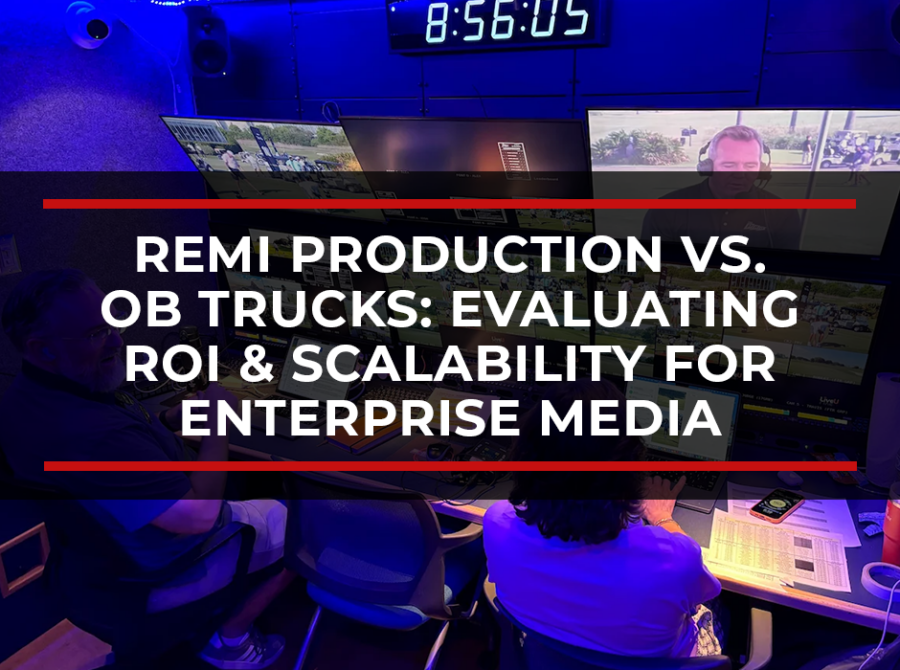
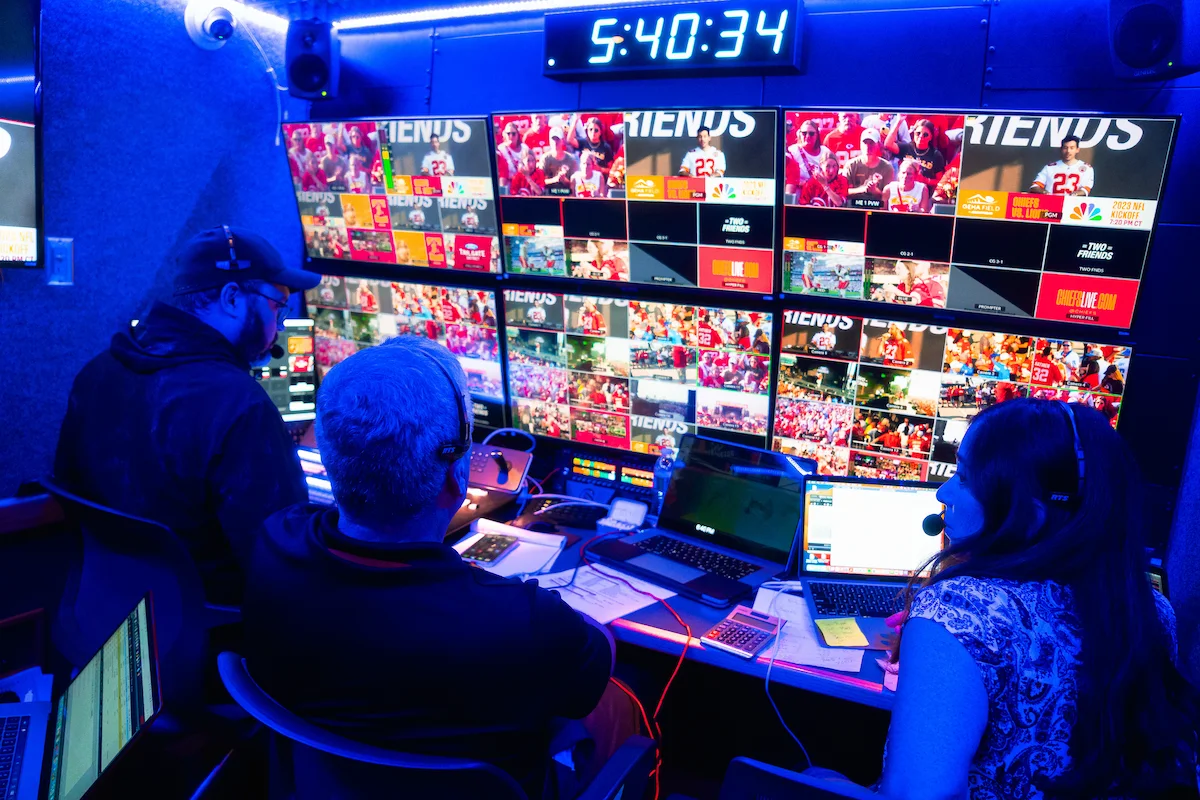
- Production: Feeds went to BMG’s Network Operations Center in Washington, DC, for switching, graphics, audio, transmission, and monitoring.
- Remote crew: The director and graphics team worked over low-latency multiviews.
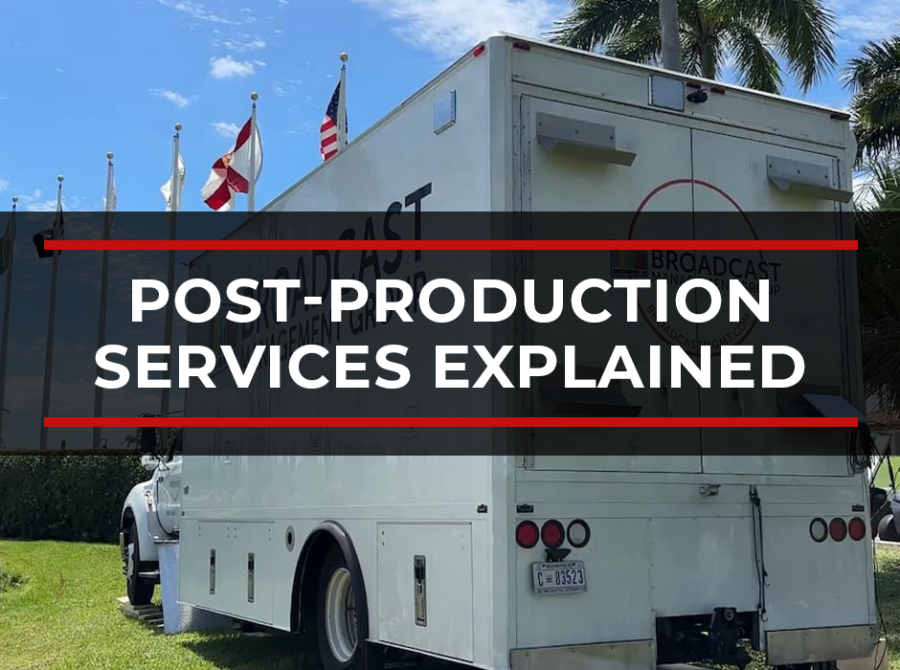
- On-site: A lean field team, with RMU-2 linking the venue to the NOC and a B-Unit carrying a weather-proof set.
Each new course got a deployment plan, not a new process.
What to Ask About Contingency and Comms
Every vendor will say they have a backup plan. These questions show whether it truly exists.
What is the failover path when primary transmission drops? Ask what the secondary path is, how it’s monitored, and how long the switch takes.
How is comms built, and what happens if it fails? PL and IFB carry the show. If the crew can’t talk, the run of show falls apart.
Who makes the call to switch paths? The answer should be a role, not “whoever notices first,” and it should be written into the run of show.
When was the plan last tested, and on what show? A contingency that has never been exercised is just a theory.
If the answers are vague, the risk hasn’t been removed. It’s been handed to you.
Why a Rehearsed Operating Model Beats Heroics
Every crew has a story about saving a show at the last second. Those stories are worth hearing, but they aren’t a selling point.
Heroics on show day mean the plan already failed somewhere upstream.
A rehearsed operating model means defined roles, documented escalation paths, and failure scenarios walked through before the first camera goes hot. When a feed drops, the response is a built-in procedure.
That is what makes a five-venue series possible. The operating model has to exist before the first tournament, so each new course gets a deployment plan, instead of a completely new process.
One budget. One partner. One team accountable from site survey to final transmission.
Explore BMG’s sports production capabilities: https://broadcastmgmt.com/live-production/sports-production/

Dave Weiler is the Senior Vice President of Sports Packaging and Consulting. He leads BMG’s consulting practice, overseeing global consulting projects and building strategic client relationships. A nine-time Emmy Award winner, he brings more than 35 years of leadership experience across media operations, production, and business strategy, including senior roles at ESPN and as founder of Media Edge Consultants. His expertise helps clients develop efficient, scalable solutions across the evolving media landscape.
About Dave Weiler