A live stream gets a signal out. A broadcast-grade live stream keeps the show on air when something fails.
Three hours into a sold-out livestream, the encoder freezes. The platform shows a spinning wheel. Viewers start leaving within seconds, and the chat fills with “is it down?”
There’s no second encoder. No backup path. No engineer watching the signal who could have caught it a minute earlier. The stream that looked fine in rehearsal is now the thing everyone remembers about the event.
That’s the difference. A live stream gets a signal out. A broadcast-grade live stream is built to stay on air when something goes wrong, and to give the production team control to adapt while the show is live.
Five Things That Separate Broadcast-Grade Streaming
1. Redundancy
Broadcast-grade streaming uses redundant encoding, connectivity, and signal paths so a single equipment or network failure does not necessarily take the stream off air.
2. Live production and direction
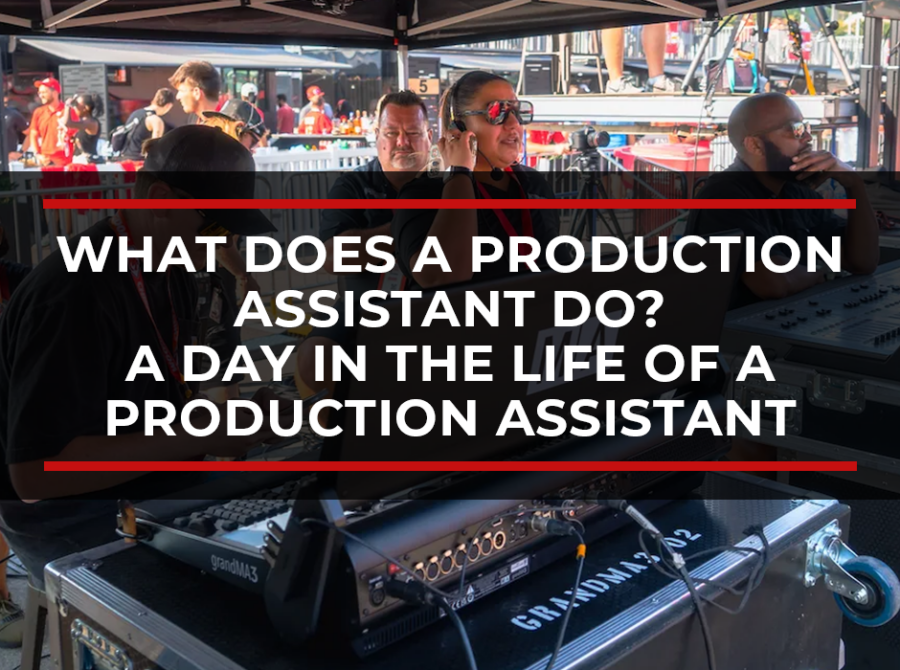
Multiple cameras require more than simply connecting cameras to a platform. A production team needs to manage switching, graphics, audio, playback, and other elements in real time.
3. Communications
Direct communication between producers, directors, engineers, camera teams, and other production staff helps coordinate changes and respond to issues while the event is live.
4. Monitoring
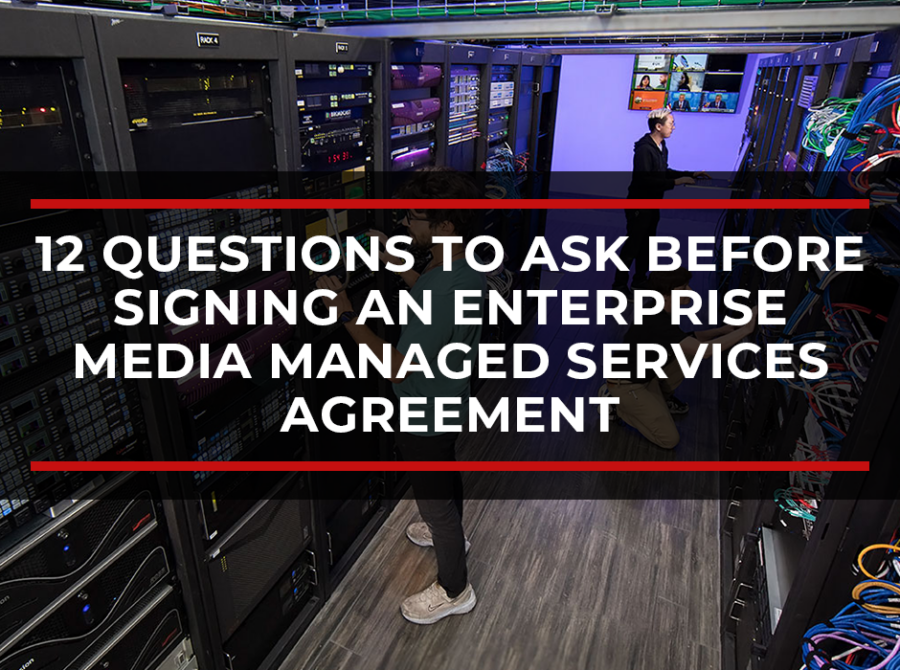
A broadcast-grade stream is actively monitored throughout the production. Engineers can identify signal, connectivity, or platform issues and respond before they become a larger problem.
5. Flexible outputs
Live productions can change quickly. Broadcast-grade infrastructure allows teams to add or redirect outputs, accommodate additional platforms, and manage new distribution requirements without rebuilding the entire workflow.

Why It Matters as the Audience Grows
The larger the audience, the more important the infrastructure behind the stream becomes. A production reaching thousands of viewers has different requirements than one reaching hundreds of thousands or millions.
Prime Video’s Obsessed Fest in 2026 demonstrated that difference. The production ran for 7.5 continuous hours, used 14 cameras, and reached 800,000+ concurrent viewers on TikTok LIVE.
During the event, the production team was asked to route a second, separate stream to Jennifer Lopez’s TikTok account. The request was coordinated through BMG’s Network Operations Center, with teams working across Los Angeles, Washington, DC, and New York.
The ability to make that change during a live production depended on more than the streaming platform itself. It required the infrastructure, monitoring, communications, and production operations to support the additional output without disrupting the primary stream.
That wasn’t improvisation. It worked because the redundancy, monitoring, comms, and production operations were already in place before anyone asked.
When Is a Simple Live Stream Enough?
A basic streaming setup can make sense for a smaller event with a single camera, limited production requirements, and a low-risk audience experience.
But when an event involves multiple cameras, large audiences, multiple distribution platforms, live graphics, remote teams, or high consequences for failure, the infrastructure behind the stream becomes much more important.
The difference is in how the production is built to perform when the show is live.
Stream It Like It Matters
BMG plans, produces, monitors, and distributes live streams on broadcast-grade infrastructure, with engineers in the NOC watching every signal from first frame to sign-off.
One budget. One partner. One team accountable for keeping the show on air.
Learn what BMG’s live streaming production services include: Live Production

Todd Mason is the Chief Executive Officer of Broadcast Management Group (BMG), a broadcast infrastructure and media operations company helping define the next generation of television production, live media operations, and broadcast network infrastructure in North America.
About Todd Mason