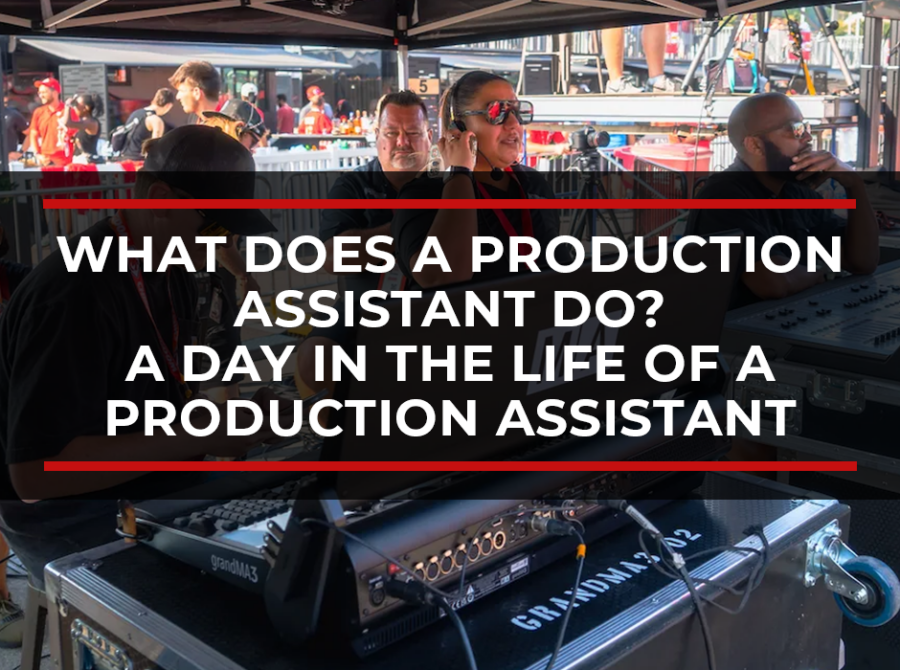
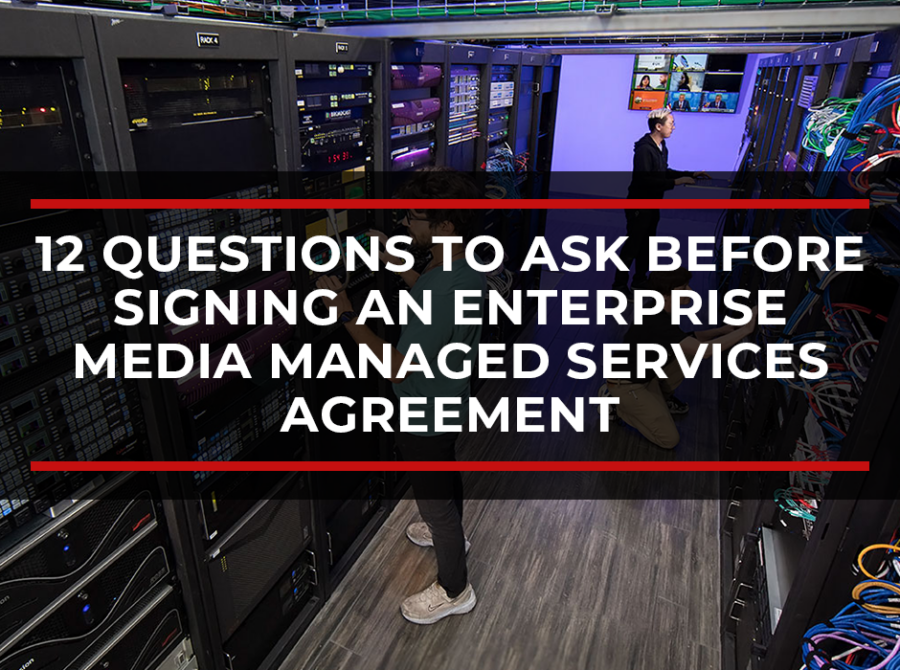
When audiences watch a live production, they see the finished product: the talent, the cameras, the graphics, and the moments happening in real time.
What they don’t see is the complex technical operation happening behind the scenes to make sure every signal, feed, and system works exactly as planned.
At the center of that operation is the Engineer in Charge (EIC), the person responsible for overseeing the technical infrastructure, coordinating teams, monitoring workflows, and ensuring the production stays on track from setup through sign-off.
For an EIC supporting live productions from Broadcast Management Group’s Network Operations Center (NOC), every day brings new challenges, new environments, and the need to be prepared for anything.
In this behind-the-scenes look, Frank Slany, Broadcast Management Group’s Engineer in Charge, shares how technical expertise, preparation, and problem-solving come together to support successful live productions.
Starting the Day Before the Broadcast Begins
By the time a live broadcast reaches the audience, the most important work has already begun.
For a NOC EIC, the day starts with preparation, technical validation, and ensuring every piece of the production workflow is ready for execution.
First thing in the morning, the EIC begins by powering on production equipment and verifying the technical infrastructure required for the broadcast.
This includes checking signal routes, confirming connectivity between systems, and ensuring every piece of equipment has the resources needed to support the production.
As crew members arrive, the EIC works through each position within the NOC to confirm equipment is functioning properly and that every team member has what they need before the production begins.
Once the on-site crew begins building the production environment, communication between the NOC and the event location becomes critical.
Throughout the setup process, they continuously monitor each position within the NOC to ensure workflows are operating smoothly and teams are prepared for the broadcast.
While the production team is still preparing, the EIC is already monitoring incoming feeds from the event site, ensuring the connection between locations remains stable and reliable.
The Role of an EIC Once the Production Goes Live
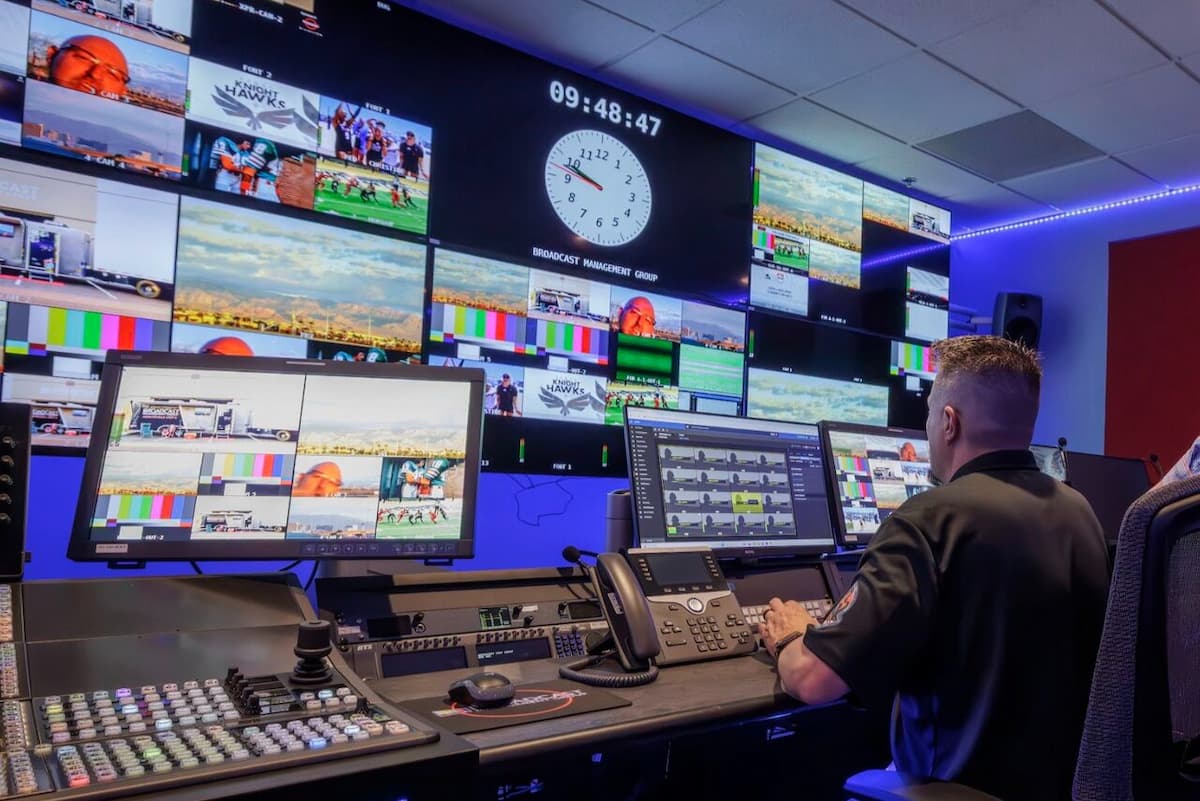
When a live broadcast begins, the EIC transitions from preparation into active monitoring and technical support.
Before going live, the team verifies communication and transmission with the receiving station to confirm that audio, video, and technical levels meet requirements.
This final validation ensures the broadcast feed is ready for distribution.
Once the production begins, the EIC’s responsibility is continuous oversight.
They monitor the live feed, production outputs, and the systems supporting the broadcast. This includes tracking audio quality from the event site into the facility, as well as the final program feed leaving the building for transmission.
The goal is to identify potential issues before they impact the broadcast and quickly coordinate solutions when unexpected challenges arise.
Solving Problems Before the Audience Notices
No two live productions are the same.
Every event presents unique technical challenges, requiring an EIC to adapt quickly and remain prepared for anything.
Issues can range from communication failures and replay system challenges to switcher problems or audio interruptions.
The most challenging part of the role is being ready to respond immediately while supporting teams remotely.
This requires confidence, organization, and a complete understanding of the production workflow.
The ability to stay calm under pressure and prioritize the most critical issues is what keeps a live broadcast moving forward.
Communication Is the Foundation of Live Production
Behind every successful live broadcast is a network of teams working together toward the same goal.
Each communication point plays an important role:
- Master Control: Monitors the outgoing feed and identifies potential transmission issues
- Director and Producer: Ensure the creative and technical needs of the production are being met
- Technical Director: Addresses equipment and workflow challenges within the NOC
- Audio Engineer (A1): Monitors audio quality and resolves audio concerns
- Site EIC: Coordinates technical operations between the event location and the NOC
In live production, communication is what keeps every team member aligned and allows complex broadcasts to run smoothly.
The Skills That Make a Successful NOC EIC
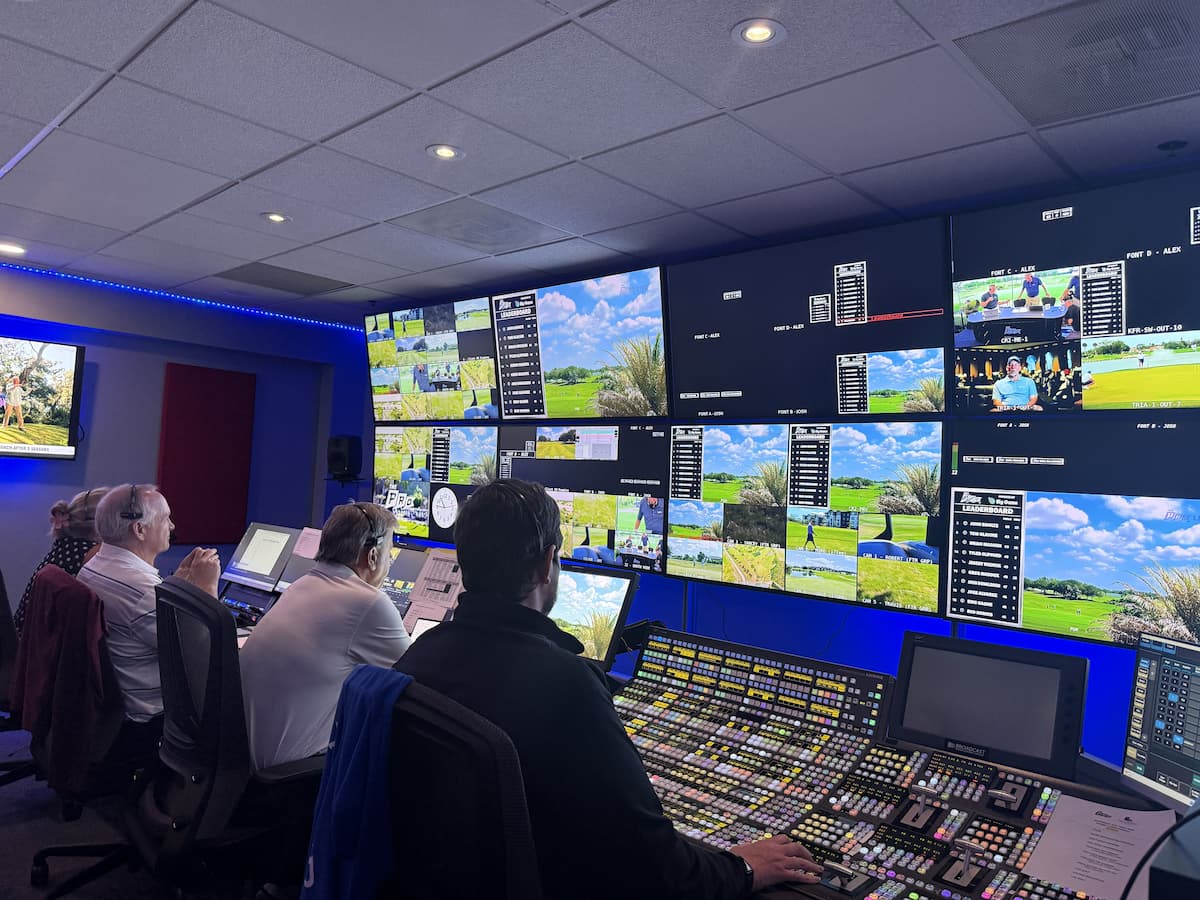
Technical expertise is only one part of being an effective Engineer in Charge.
The role requires preparation, organization, patience, and the ability to make decisions quickly under pressure.
Understanding the production workflow, knowing how systems interact, and maintaining an organized approach allows an EIC to respond effectively when challenges arise.
The strongest EICs anticipate potential issues, prepare systems before the broadcast begins, and create an environment where the production team can focus on delivering a successful show.
How Cloud-based Workflows Are Changing the Role of the EIC
The evolution of cloud-based workflows has transformed the way live events are produced and how EICs support them.
Historically, television production required every member of the team to be physically present at the event location.
Today, productions can involve teams working from multiple locations, with centralized operations managing complex workflows remotely.
This shift has introduced new technologies, systems, and production models that require engineers to continuously adapt and expand their expertise.
For EICs who have experienced both traditional on-site production and today’s hybrid workflows, this evolution represents an advancement in the industry.
The ability to support productions regardless of location has created new opportunities for efficiency, scalability, and collaboration.
The People Behind the Production
A successful live broadcast is built on more than technology.
It depends on experienced professionals who understand how every component of the operation connects.
From monitoring signals and coordinating teams to solving problems before viewers ever notice them, the EIC plays a critical role in keeping live productions reliable.
At Broadcast Management Group, engineers, producers, and operations teams work together through advanced production workflows, including remote and hybrid models, to deliver broadcast-quality experiences wherever the story happens.
Because when the audience sees a seamless live production, it is because someone behind the scenes made sure everything worked.

Paige DeLoretta is a marketing professional with experience in social media and digital marketing, creating engaging content that helps brands grow and connect with audiences. She has supported marketing initiatives across a variety of industries. Paige is a graduate of George Mason University with a degree in marketing. Originally from Reading, Pennsylvania, she enjoys traveling, spending time outdoors, and exploring Washington, D.C. with friends and family.
About Paige DeLoretta