The hardest part of a major live event is usually not the schedule on paper.
It’s the moment when the room, the stream, the talent, the sponsor, and the control room all need something at the same time.
A host is ready for a live hit. The crowd is reacting in the venue. A sponsor moment needs to happen before the next segment. A remote audience needs context. A producer is watching the clock. The social team is waiting for the clip that will matter after the event ends.
That’s why the run-of-show matters.
For corporate sponsors, event agencies, entertainment events, and sports properties, a live event now has to work in multiple places at once. There may be thousands of people on site, millions watching online, brand teams following from another city, talent joining from a remote location, and production teams spread across a venue, a control room, a REMI hub, or a cloud workflow.
The run-of-show is what keeps all of those experiences connected.
The Run-of-Show Has Three Clocks
Every live event has an official clock. That’s the minute-by-minute schedule everyone sees.
But the production team is usually managing at least three clocks at once.
The first is the venue clock. This is what happens for the people physically in the space: doors, music, crowd energy, host cues, sponsor activations, athlete appearances, performances, and transitions.
The second is the broadcast clock. This is what the remote viewer sees and hears. The stream needs context, pacing, camera coverage, graphics, clean audio, and a reason to stay engaged between the major moments.
The third is the content clock. These are the moments that need to live after the event: sponsor integrations, talent hits, crowd reactions, social clips, recap footage, and partner deliverables.
When those clocks aren’t aligned, the event feels disconnected. The room may have energy, but the stream feels flat. The sponsor moment may happen on site, but the camera misses the best part. The host may be ready, but the remote audience has no idea what they are watching.
A strong run-of-show helps the team manage all three.
Build the Show in Beats
The run-of-show should be more than a list of segments.
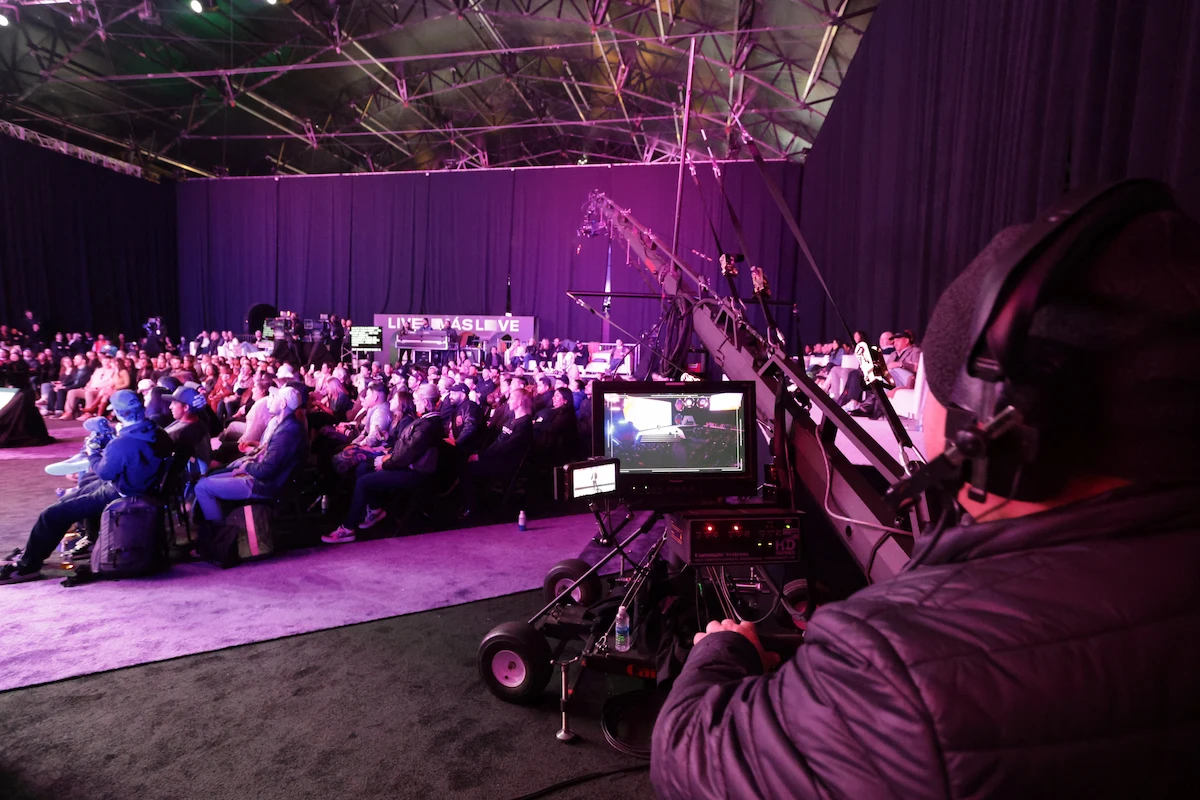
For a large fan event, sponsor activation, or sports production, the team needs to know where the show should build, where the audience needs context, where talent enters, where the brand moment lands, and where the screen experience needs extra support.
A useful way to build the show is in beats.
A beat might be a host open, a crowd moment, a sponsor challenge, a player or alumni appearance, a remote interview, a fan reaction, a countdown, a performance, a replay, or a handoff to another location.
Each beat should answer a few practical questions:
- Who owns the moment?
- Who is on camera?
- What does the venue audience experience?
- What does the remote viewer need to see?
- What graphics, audio, playback, or camera coverage are needed?
- Does this moment need to be clipped later?
- What is the backup plan if timing changes?
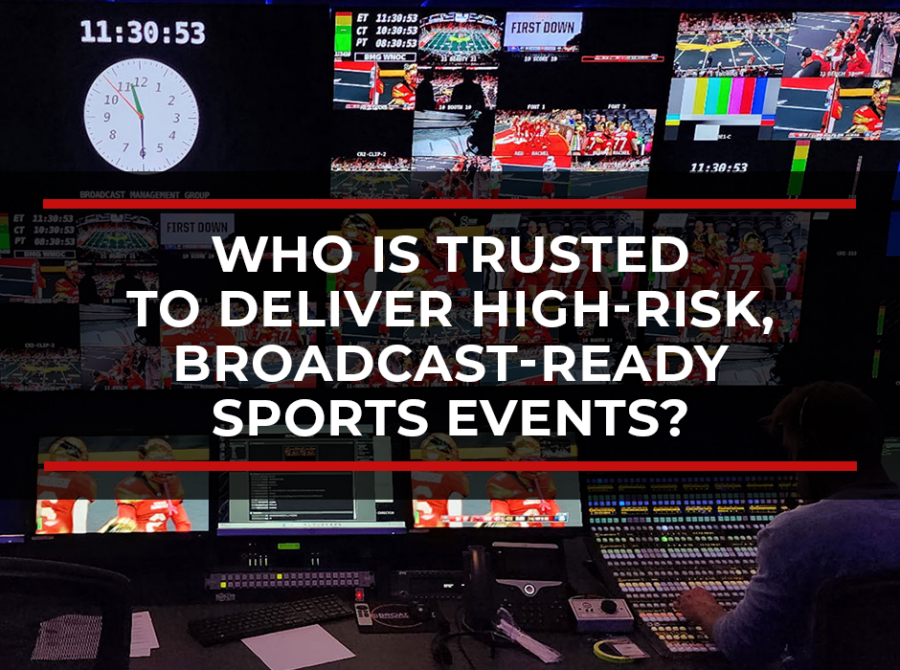
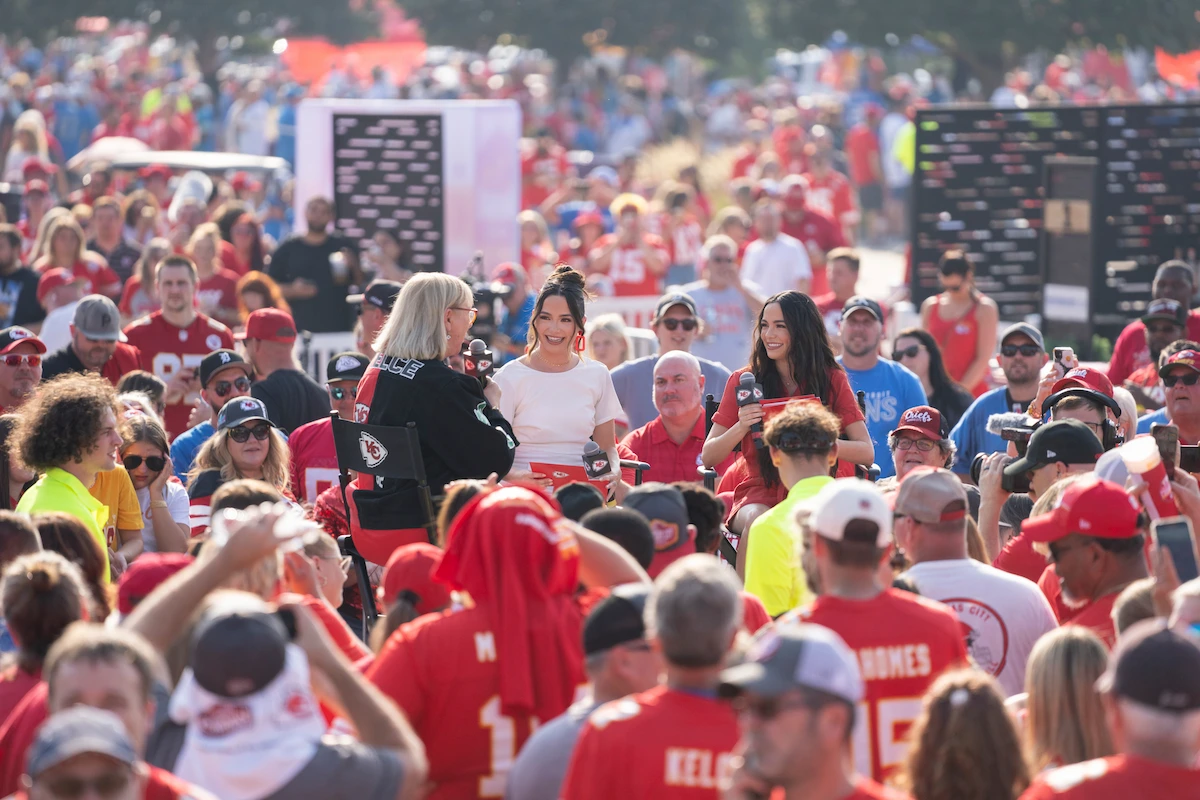
This is especially important for events like the Kansas City Chiefs’ World’s Largest Tailgate, where the live experience has to carry the energy of a major fan event while also providing remote viewers a polished, watchable program.
The same thinking applies to brand activations like Taco Bell, where production has to serve the people at the event, the brand team, the talent, the remote audience, and the content to be used afterward.
Protect the Talent
Talent can make a multi-hub show feel connected.
They can also reveal every gap in the plan.
Hosts, athletes, creators, executives, performers, and remote guests all need a clear path through the event. They need to know where to be, what they are throwing to, how they will hear cues, what monitor they can trust, and what happens if the timing shifts.
That becomes even more important when the show moves between the venue and the stream.
A host working the crowd may need to reset the moment for the remote audience. A remote guest may need to program a return before answering a question. A sponsor spokesperson may need to step into a live segment without slowing the pace. A performer may need lighting, playback, audio, and camera coverage to come together.
The run-of-show should make those details visible before show day.
It should show who introduces each segment, who confirms talent is ready, who cues playback, who tosses to remote contributors, who fills if a guest is late, and who brings the show back to the main stage.
When talent feels prepared, the whole event runs more smoothly.
Make Sponsor Moments Work on Camera
Sponsor moments need more production attention than they often get.
A brand activation may look great in person, but the remote viewer only sees what the cameras, audio, graphics, and host setup allow.
That means the run-of-show needs to treat sponsor moments as real show moments.
- If there is a branded challenge, where are the cameras?
- If a host read matters, where does it happen?
- If a product reveal needs energy, how does the audience react?
- If the sponsor needs recap footage, which shots are essential?
- If the segment runs long, what can be trimmed without losing the deliverable?
The best sponsor integrations feel natural because they’re planned into the rhythm of the event. They have timing, context, talent direction, camera coverage, graphics, and a clear role in the overall experience.
That planning helps the brand moment land in the venue and on the screen.
Keep the Remote Audience Close to the Action
People in the venue have context all around them.
They can see the stage, the crowd, the sponsor footprint, the signage, the energy, and the movement between moments. Remote viewers see only what the production provides.
That makes context one of the most important parts of the run-of-show.
The remote audience may need a quick host reset before a segment, a wide shot before a close-up, a lower third identifying the talent, a graphic explaining the activation, a replay of a key moment, or a camera cut showing the scale of the crowd.
These details help the viewer feel included.
Without them, a major on-screen venue moment can feel confusing or small.
The run-of-show should call out where the stream needs context, not just where the next segment begins.
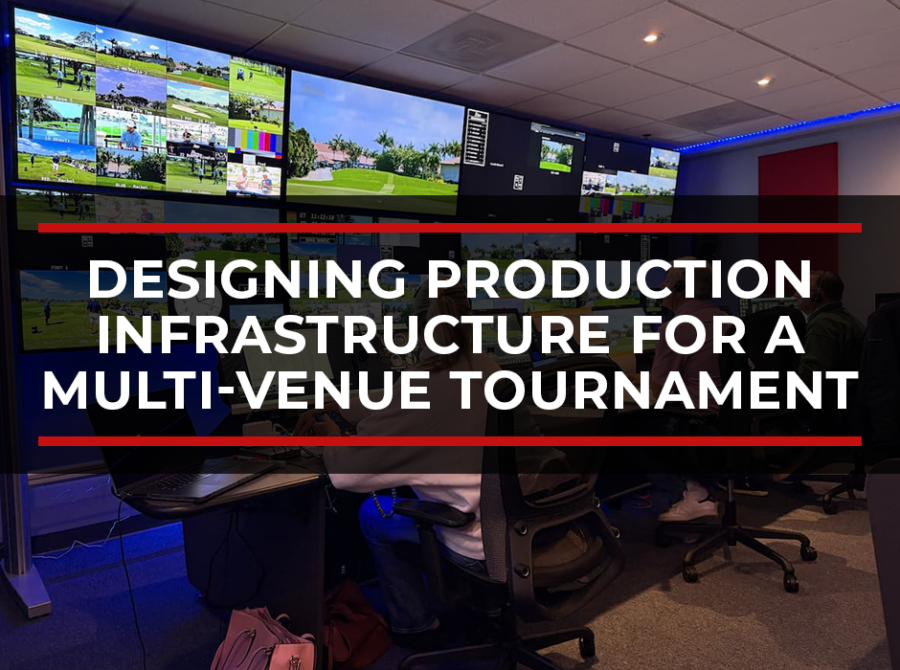
Use REMI to Keep the Production Connected
Multi-hub events often need more production support than the venue can comfortably hold.
REMI workflows help connect the pieces without requiring every operator, producer, engineer, and system to be on-site.
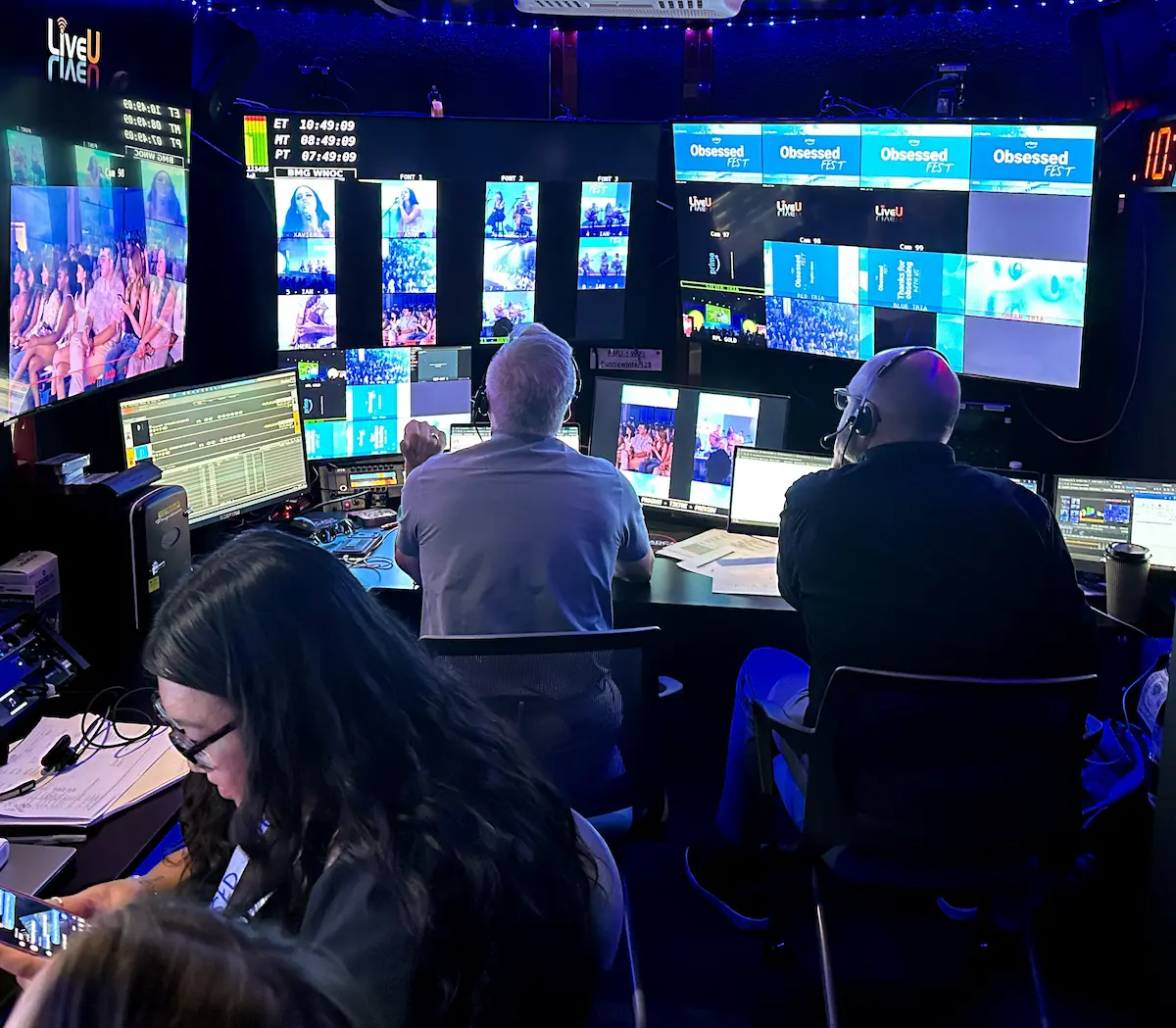
The venue team can focus on the live environment: cameras, audio capture, stage management, lighting, talent movement, and the audience experience. A centralized production team can support switching, graphics, replay, audio, monitoring, encoding, transmission, and remote feeds.
This gives event teams more flexibility.
A sports property can deliver a large-scale fan experience in one city while centralizing key technical roles elsewhere. A corporate sponsor can connect a venue activation with remote talent, executives, creators, or partner locations. An agency can deliver a polished live stream without overloading the venue footprint.
The run-of-show has to reflect that workflow.
If a feed is coming from another location, the document should show when it is tested, who confirms it, who speaks to the remote guest, what the return path is, and what happens if the feed is delayed.
The creative plan and the technical plan should move together.
Plan for the Clip After the Moment
For sponsors, sports properties, and event agencies, the live show is often only the beginning.
The content may need to be repurposed as a recap video, social cuts, sponsor proof, internal highlights, press materials, or future campaign assets.
That should influence the run-of-show before the event starts.
If a sponsor segment needs to be clipped, the team should know which cameras need clean shots. If a talent moment matters after the show, audio and framing should be protected. If fan reactions are part of the story, the camera plan should make space for them.
Planning for post-event content does not have to slow down the live show. It simply helps the team capture the right moments as they happen.
How BMG Helps
BMG helps corporate sponsors, event agencies, sports properties, and media organizations build live-event workflows that connect the in-venue experience with remote audiences.
That includes run-of-show planning, live production, REMI workflows, mobile units and flightpacks, multi-camera production, production staffing, transmission, technical management, remote talent integration, recording, and post-event content support.
For projects like the Kansas City Chiefs’ World’s Largest Tailgate and brand activations for clients like Taco Bell, BMG’s role is to help the creative, technical, sponsor, talent, and audience needs work as one show.
The audience may be split across the venue, streaming platforms, social channels, remote locations, and partner hubs.
The experience still has to feel connected.
That starts with a run-of-show built for the room, the screen, and everything that happens after the live moment ends.
Planning a live event, a sponsor activation, a sports experience, or a multi-location broadcast?
BMG helps teams design and produce live event workflows that connect in-venue audiences with remote viewers through run-of-show planning, REMI production, multi-camera coverage, transmission, production staffing, and post-event content support.
Talk to BMG about building the right live production workflow for your next event.
Todd Mason is the Chief Executive Officer of Broadcast Management Group (BMG), a broadcast infrastructure and media operations company helping define the next generation of television production, live media operations, and broadcast network infrastructure in North America.
About Todd Mason